
Is Chicken Liver Good for Dogs? | Vet Feeding Guide
Yes, chicken liver is good for dogs when fed in moderation. It’s rich in protein, iron, and essential vitamins, but excessive amounts can cause vitamin A toxicity. Serve plain, cooked chicken liver once or twice weekly in small portions as part of a balanced diet.
Whether you’re wondering if dogs can eat chicken liver, how much is safe, or whether it’s better raw or cooked, this guide covers everything you need to know to feed it safely.
Can Dogs Eat Chicken Liver?
Yes, dogs can safely eat chicken liver as long as it’s fed in appropriate amounts. Chicken liver is a nutritious organ meat that provides essential nutrients many dogs benefit from. Unlike regular chicken breast, liver contains a much higher concentration of vitamins and minerals, making even small portions highly beneficial.
Most veterinarians recommend offering chicken liver occasionally alongside a complete and balanced diet rather than replacing your dog’s regular meals.
Is Liver Good for Dogs?
Yes. Liver is considered one of the healthiest foods dogs can eat because it’s naturally rich in nutrients that support many body functions.
Some of its key benefits include:
- High-quality animal protein
- Vitamin A for eye and immune health
- B vitamins for energy production
- Iron for healthy blood cells
- Zinc and selenium for immune support
- Copper for enzyme function
Whether it comes from chicken, beef, turkey, or lamb, liver can be a healthy addition to your dog’s diet when served in moderation.
Can Dogs Eat Raw Chicken Liver?

Yes, dogs can eat raw chicken liver, but it isn’t the safest option for every dog.
Supporters of raw diets appreciate that raw liver retains all of its natural nutrients. However, raw poultry may contain harmful bacteria like Salmonella and Campylobacter, which can affect both dogs and people handling the food.
For most pet owners, boiled or lightly cooked chicken liver is the safer choice because cooking greatly reduces the risk of bacterial contamination while preserving most of the nutritional value.
If you decide to feed raw chicken liver, buy it from a trusted source, store it properly, and practice safe food handling.
Can Puppies Eat Chicken Liver?
Yes, puppies can eat chicken liver once they’re eating solid food, but only in small amounts.
Chicken liver provides protein, iron, vitamin A, and B vitamins that help support healthy growth, muscle development, and immune function. Because puppies are smaller and still developing, it’s important to introduce liver gradually and avoid overfeeding.
Many owners also use tiny pieces of cooked chicken liver as high-value training treats since most puppies find them extremely tasty.
Chicken Liver Nutrition for Dogs
Chicken liver is often called a nutritional powerhouse because it contains a wide variety of essential nutrients in a relatively small serving. Compared to muscle meat, organ meats provide much higher concentrations of vitamins and minerals that support overall canine health.
Protein and Healthy Fats
Chicken liver is an excellent source of complete animal protein, supplying all the essential amino acids dogs need for growth and maintenance.
Protein helps support:
- Muscle growth and repair
- Healthy immune function
- Tissue maintenance
- Hormone production
- Enzyme function
It also contains moderate amounts of healthy fats that provide energy and help dogs absorb fat-soluble vitamins such as vitamins A, D, E, and K.
Vitamins and Minerals
One of the biggest reasons chicken liver is recommended is its outstanding vitamin and mineral profile.
| Nutrient | Benefit for Dogs |
| Vitamin A | Supports vision, skin, and immunity |
| Vitamin B12 | Helps nerve function and red blood cell production |
| Riboflavin | Supports metabolism |
| Folate | Encourages healthy cell growth |
| Iron | Supports oxygen transport |
| Zinc | Promotes wound healing and immunity |
| Copper | Supports enzyme activity |
| Selenium | Protects cells from oxidative damage |
These nutrients work together to support your dog’s overall health, making chicken liver one of the most nutrient-dense foods available.
Why Chicken Liver Is a Nutrient-Dense Organ Meat
Unlike regular chicken meat, liver stores vitamins and minerals that play important roles throughout the body. A small serving delivers far more micronutrients than an equal amount of chicken breast.
This high nutrient density is why liver should only make up about 5–10% of your dog’s overall diet. Small portions provide impressive health benefits without creating nutritional imbalances.
Chicken Liver Benefits for Dogs
When fed responsibly, chicken liver provides numerous health benefits that support your dog’s overall well-being. Its combination of high-quality protein, healthy fats, vitamins, and minerals helps nourish multiple body systems.
Supports Muscle Growth and Repair
Chicken liver is rich in complete protein, making it an excellent food for growing puppies, active dogs, and seniors needing to maintain lean muscle. The amino acids found in liver help repair body tissues after exercise and support healthy muscle development throughout life.
Promotes Healthy Skin and a Shiny Coat
Healthy skin and a glossy coat often begin with proper nutrition. Chicken liver supplies vitamin A, B vitamins, iron, zinc, and healthy fats that nourish the skin from within.
These nutrients help:
- Maintain healthy skin
- Improve coat shine
- Support hair growth
- Reduce dryness
- Strengthen the skin’s natural protective barrier
Dogs with dull coats may benefit from occasional servings of chicken liver as part of a balanced diet.
Chicken Liver Benefits for Dogs
Supports Immune Function
Chicken liver contains several nutrients that help keep your dog’s immune system strong. Vitamin A supports healthy skin and mucous membranes, while zinc and selenium help immune cells function properly and protect the body from oxidative stress.
A healthy immune system helps dogs recover from illness more efficiently and maintain better overall health. While liver isn’t a cure for disease, including small amounts in a balanced diet can contribute to long-term wellness.
Helps Maintain Healthy Vision
One of the biggest nutritional advantages of chicken liver is its high vitamin A content. This essential vitamin supports normal eyesight, healthy eye tissues, and overall vision throughout your dog’s life.
Vitamin A also plays an important role in maintaining healthy skin and supporting the immune system. Since most commercial dog foods already contain vitamin A, chicken liver should be offered in moderation to avoid excessive intake.
Supports Brain and Nervous System Health
Chicken liver is rich in B vitamins, especially vitamin B12, which supports the brain and nervous system. These nutrients help convert food into energy, maintain healthy nerve cells, and support normal cognitive function.
Growing puppies benefit from these nutrients during development, while senior dogs may also gain support for healthy brain function as they age.
Highly Palatable for Picky Eaters
Many dogs love the rich flavor and aroma of chicken liver. If your dog is a picky eater, mixing a few small pieces of cooked liver into regular meals may encourage better eating habits.
Chicken liver is also one of the most popular homemade training treats because it’s nutritious, easy to prepare, and highly rewarding for dogs during training sessions.
Is Raw Chicken Liver Good for Dogs or Should It Be Cooked?
Both raw and cooked chicken liver provide valuable nutrients, but cooked liver is generally the safer option for most dogs. Cooking destroys many harmful bacteria while preserving most of the liver’s nutritional value.
The right choice depends on your dog’s diet, health status, and your veterinarian’s recommendations.
Benefits and Risks of Raw Chicken Liver
Raw chicken liver is commonly included in balanced raw feeding diets because it retains all of its natural nutrients.
Potential benefits include:
- Minimal nutrient loss
- Natural texture and flavor
- Suitable for balanced raw diets
However, raw chicken liver may also contain harmful bacteria that can cause illness.
Potential risks include:
- Salmonella contamination
- Campylobacter bacteria
- Cross-contamination during food preparation
- Greater risk for puppies, senior dogs, and dogs with weakened immune systems
If you feed raw liver, purchase it from a trusted supplier and follow strict food safety practices.
Benefits of Cooked or Boiled Chicken Liver
Boiled chicken liver remains highly nutritious while being much safer for most dogs.
Benefits include:
- Reduced bacterial risk
- Easier digestion
- Simple home preparation
- Excellent flavor dogs enjoy
Avoid frying liver or adding seasonings such as garlic, onions, butter, or excessive salt, as these ingredients can be harmful to dogs.
Plain boiled chicken liver is usually the safest option.
Safest Way to Prepare Chicken Liver
Preparing chicken liver properly helps preserve nutrients while minimizing health risks.
Follow these simple steps:
- Rinse the liver thoroughly.
- Remove excess connective tissue if needed.
- Boil or steam until fully cooked.
- Allow it to cool.
- Cut into bite-sized pieces.
- Refrigerate leftovers or freeze individual portions.
Proper preparation ensures your dog receives the nutritional benefits without unnecessary food safety risks.
How Much Chicken Liver Can Dogs Eat?
Although chicken liver is extremely nutritious, it should only make up a small portion of your dog’s diet. Feeding too much can lead to excessive vitamin A intake and nutritional imbalance.
As a general guideline, organ meats should account for about 5–10% of a balanced diet.
Feeding Guidelines by Dog Size
The ideal serving depends on your dog’s size and activity level.
| Dog Size | Weekly Amount |
| Small (under 20 lbs) | 1–2 oz |
| Medium (20–50 lbs) | 2–4 oz |
| Large (50–90 lbs) | 4–6 oz |
| Giant (90+ lbs) | 6–8 oz |
Split these portions over two or three meals instead of serving them all at once.
How Often Can Dogs Eat Chicken Liver?
Most healthy adult dogs can safely eat chicken liver one to three times per week.
This provides plenty of nutritional benefits without increasing the risk of excessive vitamin A or copper intake. Dogs already eating organ meats in commercial food may need even smaller supplemental portions.
Is Chicken Liver Good for Dogs Every Day?
No. Chicken liver should not be fed every day.
Although it’s packed with nutrients, feeding it daily may eventually result in too much vitamin A, which can contribute to joint problems, digestive upset, and other health issues.
Offering chicken liver a few times each week provides the benefits without unnecessary risks.
How to Feed Chicken Liver to Dogs Safely
Chicken liver is easy to include in your dog’s diet and can be served in several healthy ways. Whatever method you choose, moderation remains the most important rule.
Introducing liver gradually also helps prevent stomach upset.
Boiled Chicken Liver
Boiled chicken liver is one of the safest and simplest options.
You can serve it:
- As a meal topper
- Mixed into regular dog food
- Cut into training treats
- As an occasional healthy snack
Always serve it plain without added seasonings.
Homemade Liver Treats for Dogs
Homemade liver treats are nutritious, affordable, and easy to make.
A simple recipe includes:
- Chicken liver
- Oats or oat flour
- One egg
Blend the ingredients, spread the mixture onto a baking tray, bake until firm, cool completely, and cut into small training treats.
These treats store well and are perfect for rewarding good behavior.
Mixing Chicken Liver With Regular Meals
Adding small amounts of cooked chicken liver to your dog’s regular meals improves flavor and nutritional variety.
This works especially well for:
- Picky eaters
- Senior dogs
- Dogs recovering from illness
- Homemade diet feeders
Chicken liver should enhance your dog’s meals rather than replace a complete and balanced diet.
Chicken Liver for Puppies
Chicken liver can be a healthy addition to a puppy’s diet when fed in small amounts. It provides high-quality protein, iron, vitamin A, and B vitamins that support healthy growth, brain development, and a strong immune system. Since puppies have sensitive digestive systems, it’s important to introduce liver gradually and avoid feeding large portions.
Always serve chicken liver alongside a complete and balanced puppy food rather than replacing regular meals.
Is Chicken Liver Safe for Puppies?
Yes, healthy puppies can safely eat cooked chicken liver once they have started eating solid food. Introduce only a small amount at first and monitor for any digestive upset, such as loose stools or vomiting. If your puppy tolerates it well, chicken liver can become an occasional treat or meal topper.
If your puppy has a medical condition or follows a prescription diet, consult your veterinarian before adding organ meats.
Liver Treats for Puppies
Chicken liver makes an excellent high-value training treat because most puppies love its flavor.
For the healthiest treats:
- Use boiled or baked chicken liver.
- Cut it into tiny bite-sized pieces.
- Avoid salt, spices, onions, and garlic.
- Store leftovers in the refrigerator or freezer.
Since liver is nutrient-dense, treats should still be counted as part of your puppy’s daily food intake.
How Much Chicken Liver Should a Puppy Eat?

Puppies require much smaller servings than adult dogs.
A general guide is:
- Small puppies: ½–1 teaspoon once or twice weekly
- Medium puppies: 1–2 teaspoons twice weekly
- Large-breed puppies: Small bite-sized portions two to three times weekly
Adjust portions according to your puppy’s size, age, and overall diet. Feeding small amounts helps provide nutritional benefits while avoiding excessive vitamin A intake.
Chicken Liver Side Effects for Dogs
Although chicken liver is highly nutritious, feeding too much can cause health problems. Most side effects occur because of excessive portions rather than the liver itself.
When served in moderation as part of a balanced diet, chicken liver is safe for most healthy dogs.
Vitamin A Toxicity
Chicken liver contains very high levels of vitamin A. While dogs need this vitamin for healthy vision, immunity, and skin, too much over time may lead to hypervitaminosis A.
Possible symptoms include:
- Joint stiffness
- Bone abnormalities
- Loss of appetite
- Weight loss
- Reduced mobility
- Lethargy
These problems usually develop after long-term overfeeding, which is why portion control is essential.
Digestive Upset
Introducing too much liver too quickly may upset your dog’s digestive system.
Some dogs may experience:
- Diarrhea
- Vomiting
- Loose stools
- Gas
- Mild stomach discomfort
Start with small portions and gradually increase only if your dog tolerates it well.
Weight Gain From Overfeeding
Chicken liver contains calories, so feeding excessive amounts in addition to your dog’s regular meals may contribute to unwanted weight gain.
Like any treat, liver should be offered in moderation while maintaining your dog’s overall calorie needs.
When to Avoid Feeding Chicken Liver
Chicken liver may not be suitable for every dog.
Consult your veterinarian before feeding liver if your dog has:
- Liver disease
- Copper storage disease
- Vitamin A-related disorders
- Chronic digestive problems
- A prescription veterinary diet
Dogs recovering from serious illness may also require specialized nutritional guidance.
Best Liver for Dogs: Chicken vs. Other Types
Chicken liver is one of the most popular organ meats for dogs, but beef, turkey, lamb, and duck liver can also provide excellent nutrition. Each type offers slightly different nutrient levels, making variety beneficial for many dogs.
Chicken Liver vs. Beef Liver
Both are nutritious choices.
| Chicken Liver | Beef Liver |
| Mild flavor | Richer flavor |
| Softer texture | Firmer texture |
| Easier for small dogs to chew | Slightly higher in certain minerals |
| Widely available | Popular in raw diets |
Neither option is universally better. Both can be healthy when fed in moderation.
Chicken Liver vs. Turkey Liver
Turkey liver is another nutritious alternative.
Like chicken liver, it contains:
- High-quality protein
- Iron
- Vitamin A
- B vitamins
- Selenium
Rotating between different organ meats can provide nutritional variety while keeping meals interesting for your dog.
Which Liver Is Best for Dogs?
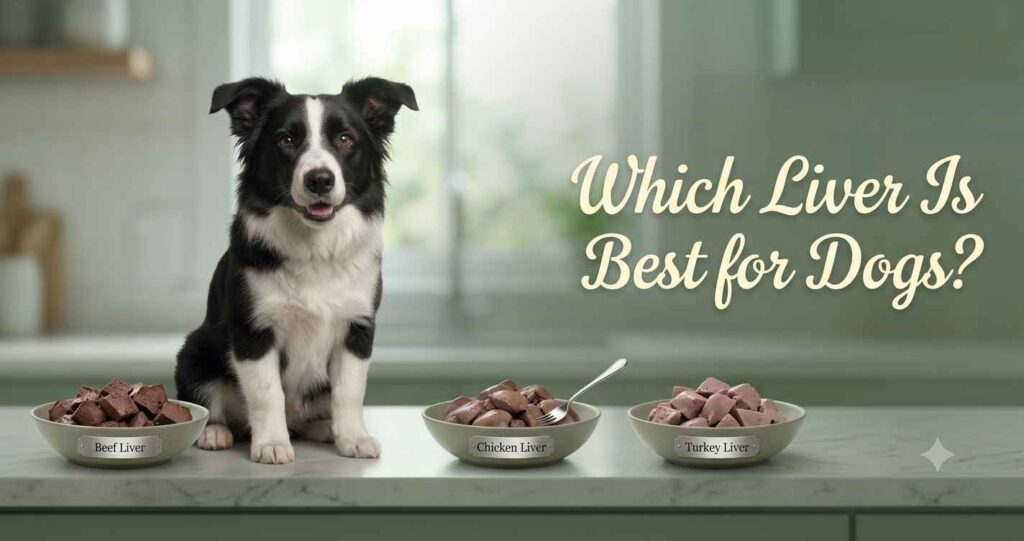
The best liver depends on your dog’s dietary needs and preferences.
Chicken liver is often the preferred choice because it is:
- Affordable
- Easy to prepare
- Highly palatable
- Rich in essential nutrients
- Readily available
Beef, turkey, lamb, and duck liver are also healthy options when included as part of a balanced diet.
Can I Feed My Dog Boiled Chicken Every Day?
Plain boiled chicken can be useful for short-term digestive issues, but it should not become your dog’s long-term diet unless formulated by a veterinary nutritionist. Chicken meat and chicken liver provide different nutritional benefits.
Boiled Chicken vs. Chicken Liver
Boiled chicken breast mainly provides lean protein.
Chicken liver supplies:
- More vitamins
- More minerals
- Higher vitamin A levels
- Greater iron content
- Higher overall nutrient density
While boiled chicken may be fed more frequently as part of balanced meals, chicken liver should remain an occasional supplement.
Building a Balanced Diet
A healthy canine diet should include:
- High-quality protein
- Healthy fats
- Essential vitamins
- Minerals
- Fresh water
Chicken liver works best as one nutritious component within a complete and balanced feeding plan rather than the primary ingredient.
FAQ’s about Chicken Liver for Dogs
Can I Give My Dog Chicken Liver Daily?
No, chicken liver should not be fed to your dog every day because it is very high in vitamin A. Too much can lead to health problems over time, including vitamin A toxicity. For most healthy dogs, feeding small amounts once or twice a week is a safer choice.
What Are the Risks of Feeding Dogs Chicken Livers?
Chicken liver is healthy, but feeding too much can cause problems. Overfeeding may lead to vitamin A toxicity, stomach upset, vomiting, diarrhea, and joint stiffness. Feeding the right portion as part of a balanced diet helps reduce these risks.
How Do You Prepare Chicken Liver for Dogs?
The safest way is to boil, bake, or lightly cook chicken liver without adding salt, spices, oils, or seasonings. Let it cool before cutting it into small, bite-sized pieces for your dog. Avoid feeding raw chicken liver because it may contain harmful bacteria.
What Is the One Meat to Never Feed Your Dog?
There is no single type of meat that every dog should never eat. However, you should avoid feeding spoiled meat or cooked bones because they can be dangerous. Always choose fresh, properly cooked meat that is safe for dogs.
How Many Times a Week Can a Dog Eat Liver?
Most healthy dogs can eat chicken liver once or twice a week in small portions. Liver should make up only a small part of your dog’s overall diet because it is very nutrient-dense. Feeding it in moderation allows your dog to enjoy the benefits without increasing health risks.
Is Chicken Liver Better for Dogs Than Beef Liver?
Both chicken liver and beef liver are healthy choices for dogs and provide excellent nutrition. Chicken liver has a milder flavor and softer texture, while beef liver contains slightly different nutrient levels. The better option depends on your dog’s needs, preferences, and overall diet.
Final Verdict: Is Chicken Liver Good for Dogs?
Yes, chicken liver is good for dogs when fed in moderation as part of a balanced diet. It is rich in high-quality protein, essential vitamins, and important minerals that support muscle growth, immune health, healthy skin, a shiny coat, brain function, and overall well-being.
However, because chicken liver contains high amounts of vitamin A and copper, it should never become your dog’s primary food or be fed every day. Small servings offered one to three times per week are generally enough to provide its nutritional benefits without increasing the risk of vitamin toxicity or digestive problems.
Whether you choose boiled chicken liver, homemade liver treats, or carefully prepared raw liver, proper portion control and safe preparation are the keys to success. When included as part of a complete and balanced diet, chicken liver can be a delicious, nutrient-packed addition that helps keep your dog healthy at every stage of life.