
Dogs eating poop, also known as coprophagia, is one of the most frustrating habits for pet owners. While it may seem disgusting, this behavior is more common than many people realize, especially in puppies. The good news is that, in most cases, you can learn how to stop a dog from eating poop naturally by improving your dog’s diet, using positive training, and addressing any underlying health or behavioral issues.
This guide explains the most effective home remedies for coprophagia in dogs, natural supplements, training techniques, and simple lifestyle changes that can help your dog break this habit safely.
Quick Answer: How Can You Stop a Dog from Eating Poop Naturally?
The best way to stop a dog from eating poop naturally is to feed a balanced, nutrient-rich diet, clean up feces immediately, provide regular exercise and mental stimulation, and use positive reinforcement training. Natural remedies like pumpkin, digestive enzymes, probiotics, and other safe dietary additions may also help, while persistent coprophagia should always be discussed with your veterinarian.
Why Do Dogs Eat Poop?
Dogs may eat poop for several different reasons, and understanding the cause is the first step toward finding the right solution. While many owners immediately search for remedies for a dog that eats poop, the treatment depends on why the behavior started.
Normal Puppy Behavior
Puppies are naturally curious and often explore the world with their mouths. During this stage, some puppies may taste or eat feces simply because they are investigating new smells and textures. In many cases, they outgrow this habit as they mature.
If you’re looking for home remedies for coprophagia in dogs, remember that young puppies usually benefit most from consistent supervision, early training, and immediate cleanup rather than punishment.
Nutritional Deficiencies
A poor-quality diet can sometimes contribute to coprophagia. If your dog’s food lacks essential nutrients, vitamins, minerals, or enough protein, they may instinctively search for additional nutrients elsewhere.
Many owners ask, “What can I give my dog to stop eating poop?” The first step is switching to a complete, high-quality dog food that meets your dog’s nutritional needs. Some veterinarians may also recommend digestive enzymes or probiotics if poor digestion is suspected.
Although nutritional deficiencies are not the only cause, improving your dog’s diet is often one of the most effective natural remedies for dog eating poop.
Boredom and Stress
Dogs left alone for long periods without enough physical activity, attention, or mental enrichment may develop unwanted habits, including eating feces. Stress, anxiety, loneliness, and lack of stimulation can all contribute to coprophagia.
Understanding your dog’s body language and daily behaviors can help you identify signs of comfort, trust, or stress. For example, some sleeping positions reveal important clues about how your dog feels. You can learn more about this behavior in our guide on why dogs sleep with their bum facing you.
Providing daily walks, interactive toys, puzzle feeders, and training sessions helps reduce boredom while giving your dog healthier ways to use their energy. These simple lifestyle changes can help stop coprophagia naturally without relying on harsh corrections.
Hunger or Poor Diet
Some dogs constantly feel hungry because they are not receiving enough calories or because their meals are poorly balanced. Others eat too quickly and never feel satisfied.
Feeding smaller meals throughout the day, choosing foods with quality protein and fiber, and following your veterinarian’s feeding recommendations may help reduce the urge to eat feces. These adjustments are among the easiest home remedies to keep dogs from eating poop and often improve overall digestive health as well.
Medical Conditions That Can Cause Coprophagia
Although many cases are behavioral, certain medical problems can increase a dog’s appetite or interfere with nutrient absorption. Intestinal parasites, diabetes, pancreatic disorders, digestive diseases, and some medications may all contribute to coprophagia.
If your dog suddenly begins eating poop, loses weight, develops diarrhea, or shows other signs of illness, schedule a veterinary examination before trying multiple homemade remedies for coprophagia. Treating the underlying condition is essential for long-term success.
How to Stop a Dog from Eating Poop Naturally
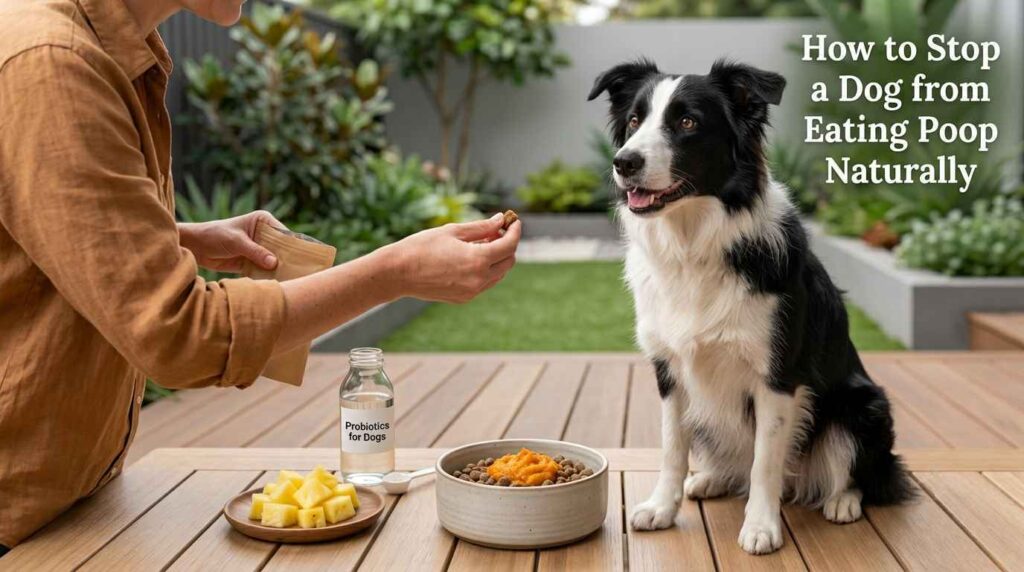
If you’re wondering how to deter a dog from eating feces, start by improving your dog’s nutrition, supervising outdoor time, cleaning up waste immediately, and rewarding good behavior. Combining these strategies with safe dietary support often provides the best long-term results and helps your dog overcome this habit naturally.
Feed a High-Quality, Balanced Diet
One of the most effective natural ways to cure coprophagia in dogs is by feeding a complete and balanced diet that supports healthy digestion. Dogs that receive high-quality protein, healthy fats, essential vitamins, minerals, and adequate fiber are less likely to seek nutrients from inappropriate sources.
If you’re asking, “What can I give my dog to stop eating poop?”, begin by reviewing your dog’s current food with your veterinarian. In many cases, upgrading to a premium diet, ensuring proper portion sizes, and supporting gut health with veterinarian-approved digestive supplements can make a noticeable difference. These dietary improvements lay the foundation for the additional stop dog eating poop home remedy strategies covered in the next section.
Add Pumpkin to Your Dog’s Meals
Many dog owners try pumpkin for dogs eating poop because it is rich in natural fiber and supports healthy digestion. While pumpkin is not a guaranteed cure, it may improve digestive health and, when combined with training and a balanced diet, can help reduce coprophagia in some dogs.
Pumpkin is one of the safest natural foods you can add to your dog’s diet. It contains soluble and insoluble fiber, vitamins A, C, and E, potassium, and antioxidants that promote healthy digestion and regular bowel movements. A healthy digestive system may reduce the urge to eat feces, especially if digestive discomfort contributes to the behavior.
Some owners specifically ask about feeding pumpkin to stop dog eating stool. Although there is limited scientific evidence proving pumpkin alone stops poop eating, many veterinarians recommend plain canned pumpkin (not pumpkin pie filling) as part of a healthy diet because it supports gut health.
General feeding guidelines include:
- Small dogs: 1–2 teaspoons daily
- Medium dogs: 1–2 tablespoons daily
- Large dogs: 2–4 tablespoons daily
Introduce pumpkin gradually to avoid stomach upset, and always choose plain, unsweetened pumpkin without added sugar or spices.
Can Pineapple Stop Dogs from Eating Poop?
Many people recommend pineapple to stop dog eating poop, believing it changes the taste of the dog’s stool. However, scientific evidence supporting this claim is limited, and pineapple should only be fed in small amounts as an occasional treat.
Fresh pineapple contains natural enzymes, vitamins, and antioxidants that are healthy in moderation. The popular theory is that these enzymes make feces less appealing after digestion. While some owners report success, others notice little or no improvement.
If you decide to try pineapple:
- Feed only fresh pineapple.
- Remove the skin and tough core.
- Offer small portions occasionally.
- Avoid canned pineapple packed in sugary syrup.
Pineapple should never replace proper training, supervision, or a nutritionally balanced diet. Think of it as one possible tool rather than a complete solution.
Apple Cider Vinegar for Dogs Eating Poop
Some pet owners use apple cider vinegar for dogs eating poop because they believe it supports digestion and balances stomach acidity. While there is very little scientific research proving it stops coprophagia, small amounts may benefit some dogs when approved by a veterinarian.
Raw, unfiltered apple cider vinegar contains beneficial compounds that may support digestive health. However, excessive amounts can irritate the stomach or upset sensitive dogs.
If your veterinarian approves, mix a very small amount into your dog’s food rather than offering it directly. Never force your dog to consume vinegar, and discontinue use if vomiting, diarrhea, or digestive discomfort occurs.
Natural supplements should always support—not replace—a complete nutrition plan and consistent behavioral training.
Digestive Enzymes and Probiotics
Digestive enzymes and probiotics are among the most effective natural remedies for dog eating poop because they help improve digestion, nutrient absorption, and overall gut health.
When dogs digest food more efficiently, they absorb more nutrients and may become less interested in eating feces. Probiotics help maintain a healthy balance of beneficial bacteria in the digestive tract, while digestive enzymes assist in breaking down proteins, fats, and carbohydrates.
Potential benefits include:
- Improved digestion
- Better nutrient absorption
- Healthier gut bacteria
- Firmer stools
- Reduced digestive discomfort
Always choose veterinarian-approved products designed specifically for dogs rather than supplements intended for people.
Foods That Make Dog Poop Taste Bad
Many owners search for foods that make dog poop taste bad in hopes of discouraging coprophagia. While no food works for every dog, certain natural and commercial options may make feces less attractive.
Natural options commonly suggested include:
- Pumpkin
- Pineapple
- Digestive enzyme supplements
- Probiotics
Commercial stool deterrent products are also available and are formulated to create an unpleasant taste after digestion. These products often work best when combined with immediate cleanup and positive reinforcement training.
Remember that every dog responds differently. A natural poop deterrent alone is unlikely to solve the problem if boredom, anxiety, or medical conditions are the underlying cause.
Home Remedies for Coprophagia in Dogs
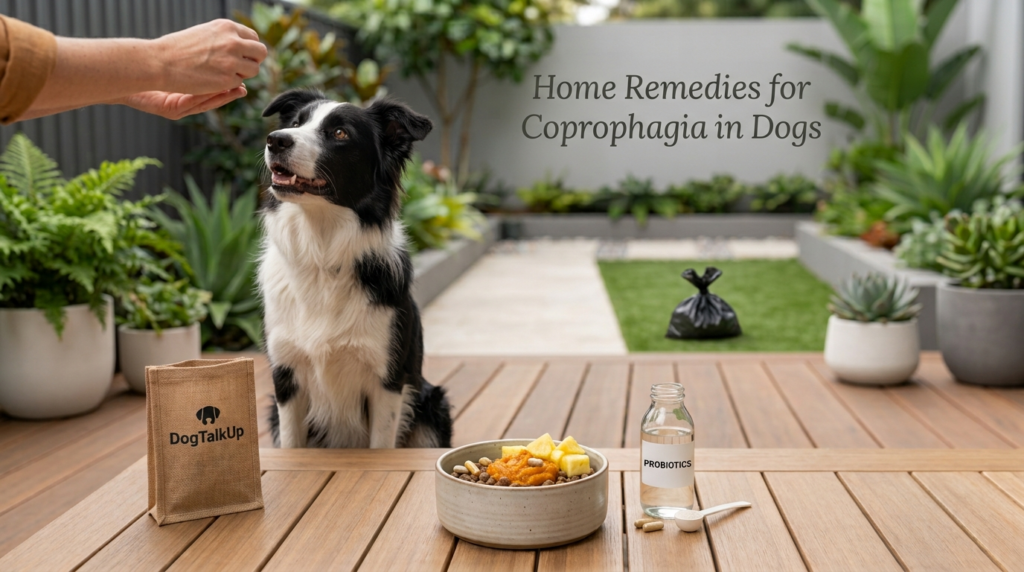
The best home remedies for coprophagia in dogs combine good nutrition, daily supervision, proper exercise, positive reinforcement, and prompt waste removal. These simple habits are often more effective than relying on supplements alone.
Keep the Yard Clean
One of the easiest ways to stop dog eating poop home remedy is also the most practical—remove feces as soon as possible. If poop is no longer available, your dog cannot develop the habit of eating it.
Clean your yard several times a day, especially if you have multiple dogs. During walks, carry waste bags and dispose of stools immediately. This simple habit greatly reduces opportunities for coprophagia while reinforcing better behavior.
Pick Up Poop Immediately
Many owners searching for a DIY dog poop eating deterrent overlook the importance of management. Immediate cleanup removes temptation before your dog has a chance to investigate.
Supervise bathroom breaks whenever possible. Once your dog finishes, praise them, redirect their attention with a treat or toy, and remove the waste promptly. This approach teaches your dog that leaving the area after eliminating leads to positive rewards rather than access to feces. It is one of the most reliable how to get your dog to stop eating poop at home strategies before moving on to advanced training techniques.
Increase Exercise
Regular physical activity is one of the most effective home remedies to keep dogs from eating poop. A tired, mentally satisfied dog is far less likely to develop unwanted behaviors such as coprophagia.
Dogs that don’t get enough exercise often look for ways to entertain themselves, and eating feces can become a learned habit. Daily walks, games of fetch, hiking, swimming, or agility exercises help burn excess energy while improving both physical and mental health.
Aim for exercise that matches your dog’s age, breed, and energy level. High-energy breeds may require one to two hours of activity each day, while smaller or senior dogs may need shorter sessions.
In addition to physical exercise, mental enrichment is equally important. Puzzle toys, scent games, obedience training, and interactive feeders keep your dog’s brain engaged and reduce boredom-related behaviors.
Reduce Boredom
Dogs thrive on routine, interaction, and mental stimulation. Long periods of isolation or a lack of enrichment can contribute to stress, anxiety, and unwanted behaviors, including coprophagia. Providing your dog with enough physical activity, interactive toys, and mentally challenging activities can help redirect their attention toward healthier habits.
Chewing and exploring are natural behaviors that help dogs stay mentally engaged. Providing safe chew options and enrichment activities can reduce boredom and prevent destructive habits. If you want to understand more about your dog’s natural chewing instincts, read our guide on why dogs like bones.
Simple ways to reduce boredom include:
- Rotate interactive toys every few days.
- Use food puzzle toys during mealtime.
- Teach new tricks regularly.
- Schedule short training sessions.
- Spend quality time playing with your dog.
These activities not only strengthen your bond but also help stop coprophagia naturally by replacing unwanted behaviors with rewarding activities. A mentally satisfied dog is less likely to search for entertainment through behaviors like eating feces.
Reward Good Behavior
Positive reinforcement is one of the fastest ways to change unwanted habits.
Whenever your dog finishes using the bathroom without attempting to eat feces, immediately reward them with praise, a favorite toy, or a healthy treat. Over time, your dog learns that ignoring poop results in something much more valuable.
Avoid yelling or punishing your dog. Harsh corrections can increase anxiety and may even cause some dogs to hide while eating feces, making the problem harder to solve.
Instead, stay patient and consistent. Every successful bathroom trip is an opportunity to reinforce good choices.
Teach the “Leave It” Command
Teaching a reliable “Leave It” command is an excellent way to how to deter dog from eating feces during walks or outdoor play.
Start training indoors with a treat hidden under your hand. When your dog stops trying to grab it and looks at you instead, reward them with a different treat.
Gradually increase the difficulty by practicing outdoors with safe distractions before using the command around feces.
With regular practice, many dogs respond immediately when told to “Leave It,” making it one of the most effective long-term solutions for preventing poop eating.
Foods and Supplements That May Help
Several foods and supplements may support digestive health and complement natural remedies for dog eating poop, but they work best alongside proper nutrition, training, and supervision.
Pumpkin
Plain canned pumpkin is rich in fiber and supports healthy digestion. As mentioned earlier, many owners use pumpkin for dogs eating poop because it promotes firmer stools and better gut health.
Pineapple
Small amounts of fresh pineapple may help some dogs, although evidence is mostly anecdotal. If you decide to try pineapple to stop dog eating poop, always feed it in moderation.
Probiotics
Probiotics encourage healthy gut bacteria, improve digestion, and may reduce digestive problems associated with coprophagia.
Digestive Enzymes
Digestive enzyme supplements help dogs break down nutrients more efficiently, making them one of the better natural poop eating deterrent for dogs when poor digestion contributes to the behavior.
Zinc and Vitamin B Supplements
If your veterinarian identifies a nutritional deficiency, supplements containing zinc or B vitamins may be recommended. Never add supplements without professional guidance, as excessive amounts can be harmful.
What NOT to Do
When looking for what home remedy stops dogs from eating poop, it’s just as important to know what to avoid. Some common approaches are ineffective or may even make the behavior worse.
Avoid these mistakes:
- Don’t punish your dog. Punishment creates fear instead of solving the underlying problem.
- Don’t rely on myths alone. No single food or supplement works for every dog.
- Don’t ignore possible medical conditions. Sudden coprophagia should always be discussed with a veterinarian.
- Don’t leave feces in the yard. The longer poop remains accessible, the more opportunities your dog has to eat it.
- Don’t expect overnight results. Breaking a habit takes consistency, patience, and daily training.
The most successful owners combine good nutrition, positive reinforcement, and environmental management rather than depending on one homemade remedies for coprophagia solution.
Common Questions and Answers
What food stops dogs from eating poop?
No single food can guarantee that a dog will stop eating poop, but a balanced, nutrient-rich diet may help reduce the behavior. Plain pumpkin, probiotics, digestive enzymes, and high-quality dog food can support healthy digestion and may decrease the urge to eat feces.
What can I give my dog for eating his poop?
You can give your dog veterinarian-approved digestive enzymes, probiotics, or plain canned pumpkin to support gut health. If the behavior continues, consult your veterinarian to rule out nutritional deficiencies or medical conditions before trying additional supplements.
How much pineapple to give a dog to stop eating poop?
If you want to try pineapple, offer only a few small chunks of fresh pineapple as an occasional treat based on your dog’s size. While some owners report success, there is no strong scientific evidence that pineapple reliably stops dogs from eating poop.
Does vinegar stop dogs from eating poop?
Apple cider vinegar may support digestion in some dogs, but there is limited evidence that it prevents poop eating. If your veterinarian approves, use only small amounts mixed into your dog’s food, as too much vinegar can upset the stomach.
What is a natural remedy to stop dogs from eating poop?
The most effective natural remedy is combining a high-quality diet with prompt poop removal, regular exercise, positive reinforcement training, and mental enrichment. Pumpkin, probiotics, digestive enzymes, and pineapple may also help some dogs when used alongside these habits.
What dog breeds are prone to eating poop?
Coprophagia can occur in any breed, and there is no evidence that one breed is naturally destined to eat poop. However, the behavior is more commonly reported in puppies, food-motivated dogs, and dogs living in multi-dog households than in any specific breed.
Breaking the habit for good
Learning how to stop dog from eating poop home remedies starts with understanding why your dog is doing it in the first place. In most cases, coprophagia can be managed by feeding a balanced diet, cleaning up feces promptly, providing regular exercise and mental stimulation, and using positive reinforcement training. Natural options such as pumpkin, pineapple, probiotics, digestive enzymes, and apple cider vinegar may support healthy digestion, but they should be used alongside consistent management rather than as standalone cures.
If your dog suddenly begins eating poop or the behavior continues despite trying these home remedies, schedule a visit with your veterinarian to rule out parasites, nutritional deficiencies, or other underlying health conditions. With patience, consistency, and the right approach, most dogs can successfully overcome coprophagia and develop healthier habits over time.



Pingback: Why Do Dogs Like Bones? | Science & Safety Guide