

Yes, lamb is good for dogs when it is served plain, properly prepared, and fed in moderation. As a high-quality source of protein, lamb provides essential amino acids, vitamins, minerals, and healthy fats that support muscle development, immune function, skin health, and overall well-being. It’s also a popular alternative for dogs with sensitivities to common proteins like chicken or beef.
However, not every form of lamb is equally safe. Fatty cuts, cooked bones, and heavily seasoned lamb dishes can pose health risks, while lean meat and quality lamb-based dog food can be excellent additions to a balanced diet. In this guide, you’ll learn the benefits of lamb for dogs, the safest ways to feed it, potential risks, and whether it’s the right protein for your furry companion.
Can Dogs Eat Lamb?

Yes, dogs can eat lamb, and most dogs enjoy its rich flavor and tender texture. Lamb is a nutritious red meat that can be fed as fresh cooked meat, included in balanced homemade meals, or served through high-quality commercial dog foods made with lamb.
Besides muscle meat, dogs can safely eat certain lamb organs, such as liver, heart, and kidney, when offered in moderation. However, not every lamb product is suitable for dogs. Highly processed, seasoned, smoked, or cured lamb products often contain excess salt, onions, garlic, or preservatives that can be harmful.
When introducing lamb for the first time, start with a small amount and observe your dog’s digestion over the next 24 to 48 hours before increasing the portion.
Is Lamb Good for Dogs?
Yes, lamb is considered one of the most nutritious protein sources for dogs. It provides complete, highly digestible protein along with essential nutrients that help maintain a healthy body throughout every stage of life.
Whether your dog is an energetic puppy, an active adult, or a senior companion, lamb can contribute to a balanced diet when fed appropriately.
High-Quality Protein for Strong Muscles
One of lamb’s biggest nutritional advantages is its high-quality protein. Dogs rely on protein to build and repair muscles, produce enzymes and hormones, support healthy organs, and maintain strong bones and connective tissues.
Lamb contains all the essential amino acids dogs need but cannot produce themselves. These amino acids play an important role in muscle growth, tissue repair, and everyday body functions.
If you’re wondering is lamb a good protein for dogs, the answer is yes. Its complete amino acid profile makes it an excellent protein source for healthy dogs, active breeds, and growing puppies.
Essential Vitamins and Minerals
Lamb offers much more than protein. It supplies a wide variety of vitamins and minerals that support overall health.
Some of the key nutrients found in lamb include:
- Vitamin B12 for healthy nerves and red blood cell production
- Iron to help transport oxygen throughout the body
- Zinc for healthy skin, coat, and immune function
- Selenium, which acts as a natural antioxidant
- Phosphorus for strong bones and teeth
- Copper to support metabolism and connective tissue
These nutrients work together to help dogs stay active, energetic, and healthy.
Healthy Fats and Energy Support
Lamb naturally contains healthy fats that provide concentrated energy for active dogs. These fats also help the body absorb fat-soluble vitamins while supporting healthy brain function.
Because lamb generally contains more fat than lean meats like chicken, it is especially satisfying for highly active dogs. However, dogs that are overweight or prone to pancreatitis may benefit from leaner cuts served in smaller portions.
Benefits for Skin, Coat, and Immune Health
The combination of protein, zinc, B vitamins, selenium, and healthy fats makes lamb an excellent food for maintaining healthy skin and a shiny coat.
These nutrients also support the immune system by helping the body repair damaged tissues and defend against illness.
Many dog owners notice healthier skin and improved coat quality after switching to a balanced lamb-based diet, particularly if their dog had difficulty tolerating another protein source.
Is Lamb Good for Dogs With Allergies?
For many dogs, yes. Lamb is often recommended as an alternative protein for dogs that have developed sensitivities to more commonly fed proteins such as chicken or beef.
Food allergies usually develop after repeated exposure to the same protein over time. Because some dogs have eaten less lamb throughout their lives, lamb may serve as a suitable alternative during a veterinarian-supervised elimination diet.
Common signs of food allergies include:
- Itchy skin
- Frequent ear infections
- Excessive paw licking
- Chronic diarrhea
- Vomiting
- Skin redness
Switching to a lamb-based diet may help reduce these symptoms if another protein is responsible.
However, lamb is not completely hypoallergenic. Some dogs can also develop allergies to lamb, so it should not be viewed as a guaranteed solution. If your dog shows persistent allergy symptoms, consult your veterinarian before changing diets.
If you’re asking is lamb good for dogs with allergies, the answer depends on your dog’s individual condition, but it is often an excellent option for dogs that cannot tolerate chicken or beef.
Can Dogs Eat Different Types of Lamb?
Different cuts and preparations of lamb vary in nutritional value and safety. While plain lean meat is generally healthy, fatty cuts and heavily seasoned recipes should be avoided.
Can Dogs Eat Lamb Meat?
Yes. Plain lamb meat is one of the safest and healthiest ways to feed lamb to your dog.
Lean cuts provide high-quality protein along with important vitamins and minerals without unnecessary additives.
Safe choices include:
- Boneless lamb
- Lean lamb roast
- Lamb loin
- Leg of lamb
- Stew meat
Always cook the meat thoroughly unless your veterinarian specifically recommends a balanced raw diet.
Avoid serving lamb that contains:
- Garlic
- Onion
- Salt
- Pepper
- Butter
- Marinades
- Rich sauces
These ingredients are intended for human meals and may upset your dog’s digestive system or even be toxic.
Can Dogs Eat Ground Lamb?
Yes, can dogs eat ground lamb? Absolutely, provided it is plain and fully cooked.
Ground lamb is soft, easy to chew, and works well for:
- Small breeds
- Senior dogs
- Dogs recovering from dental procedures
- Homemade balanced meals
Because ground lamb often contains higher fat levels than whole cuts, choose lean varieties whenever possible. After cooking, drain excess fat before serving to reduce unnecessary calories.
Cooked Lamb for Dogs
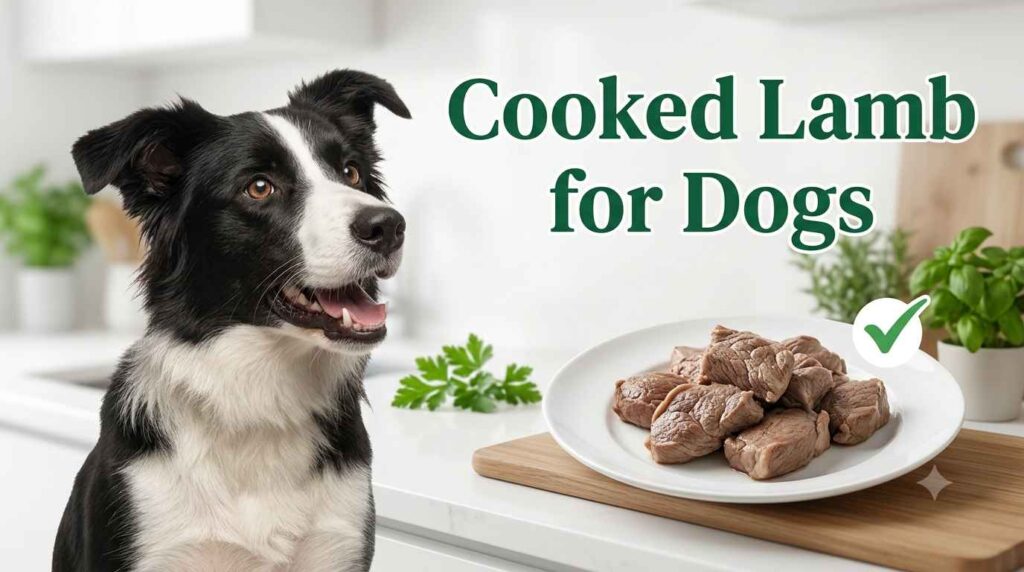
For most dogs, cooked lamb is the safest option. Proper cooking destroys many bacteria and parasites that may be present in raw meat.
Healthy cooking methods include:
- Boiling
- Baking
- Steaming
- Slow cooking
Serve cooked lamb plain without oils, spices, or sauces.
If your dog has never eaten lamb before, introduce it gradually over several days to reduce the chance of digestive upset.
Can Dogs Eat Lamb Fat?
Small amounts of fat naturally attached to lean meat are generally acceptable for healthy dogs. However, feeding large amounts of lamb fat is not recommended.
Excess fat can contribute to:
- Vomiting
- Diarrhea
- Weight gain
- Digestive discomfort
- Pancreatitis
Before serving lamb, trim thick layers of visible fat to make the meal healthier and easier to digest.
Can Dogs Eat Raw Lamb?
Some dogs can eat raw lamb, but raw feeding is a personal choice that should be approached carefully. Raw lamb retains its natural nutrients and is commonly included in some raw feeding diets, but it also carries potential risks.
Raw meat may contain harmful bacteria such as Salmonella or E. coli, which can affect both dogs and the people handling the food. Dogs with weakened immune systems, puppies, senior dogs, or pets undergoing treatment for serious illnesses are generally better suited to cooked lamb.
If you choose to feed raw lamb, always use high-quality meat, follow strict hygiene practices, and consult your veterinarian or a qualified canine nutrition professional to ensure the diet is complete and balanced.
Can Dogs Eat Lamb Organs?
Yes, dogs can eat several lamb organs, and many are even more nutrient-dense than muscle meat. Organ meats are packed with vitamins, minerals, and essential nutrients that support your dog’s overall health.
However, because they’re highly concentrated in certain nutrients, they should be fed in moderation as part of a balanced diet rather than as the main source of protein. Chicken liver is another nutrient-dense organ meat that can provide dogs with important vitamins and minerals when fed in moderation.
Can Dogs Eat Lamb Liver?
Yes. Lamb liver is one of the most nutritious organ meats you can feed your dog. It’s often called nature’s multivitamin because it’s rich in:
- Vitamin A
- Vitamin B12
- Folate (Vitamin B9)
- Riboflavin (Vitamin B2)
- Iron
- Copper
These nutrients support healthy vision, brain function, red blood cell production, and immune health.
Although liver is incredibly nutritious, too much can lead to excessive vitamin A intake over time. Offer small portions occasionally rather than feeding it daily.
Can Dogs Eat Lamb Heart?
Absolutely. Lamb heart is technically a muscle, making it an excellent source of lean protein. It’s also naturally rich in taurine and coenzyme Q10 (CoQ10), nutrients that support heart function, muscle health, and energy production.
Because it’s lower in fat than many other cuts of lamb, heart can be a healthy addition to a balanced canine diet.
Can Dogs Eat Lamb Kidney?
Yes. Lamb kidney provides another nutrient-rich option for dogs. It contains quality protein along with iron, vitamin A, B vitamins, and essential minerals that support healthy metabolism and organ function.
Like other organ meats, kidney should only make up a small portion of your dog’s overall diet to maintain nutritional balance.
Are Lamb Bones Safe for Dogs?
Many dog owners wonder whether lamb bones are a safe chew. The answer depends largely on whether the bones are raw or cooked.
Raw lamb bones may be suitable for some healthy adult dogs when they’re the appropriate size and offered under close supervision. Cooked lamb bones, however, should never be fed because they become brittle and can splinter easily.
Can Dogs Eat Lamb Bones?
Some raw lamb bones can provide chewing enrichment and may help reduce plaque buildup on teeth. Chewing also satisfies a dog’s natural instinct and can provide mental stimulation.
However, bones are never completely risk-free. Even raw bones can break teeth, become choking hazards, or cause digestive blockages if swallowed in large pieces. For a different type of chew, chicken feet can also be an option for dogs when they are properly prepared and served safely.
If you decide to offer raw lamb bones:
- Always supervise your dog.
- Choose bones large enough that they cannot be swallowed whole.
- Remove the bone once it becomes small or begins breaking apart.
- Never leave your dog unattended while chewing.
Can Dogs Eat Bones From Lamb?
Not every lamb bone is suitable. Small chop bones and cutlet bones are more likely to splinter than larger recreational bones. If you’re unsure whether a particular bone is appropriate, it’s safest not to offer it.
If your dog accidentally eats a cooked lamb bone, contact your veterinarian immediately if you notice choking, vomiting, abdominal pain, constipation, or blood in the stool.
Can Puppies Eat Lamb Bones?
Generally, puppies should not be given lamb bones. Their teeth and jaws are still developing, and they’re more likely to swallow bone fragments without chewing properly.
Instead, provide veterinarian-approved chew toys or puppy-safe dental chews that satisfy their natural chewing instinct without the added risks.
Can Dogs Eat Lamb Ribs?
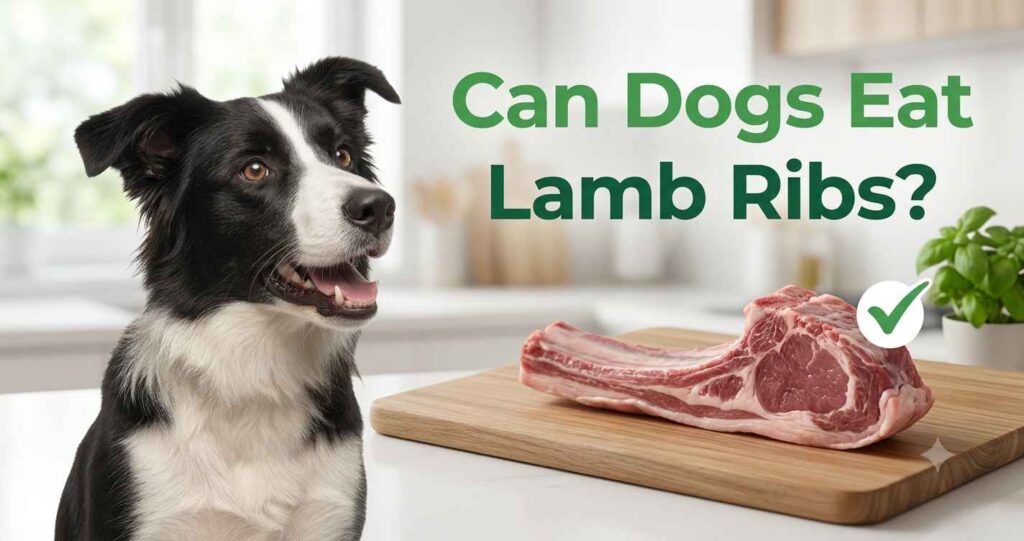
Raw lamb ribs are sometimes fed in raw diets because they contain meat as well as bone. However, they should only be offered to healthy adult dogs under supervision and should never be cooked.
Cooked lamb ribs can splinter and seriously injure your dog’s mouth, throat, or intestines. If you want to share lamb ribs, remove all bones first and offer only plain cooked meat.
Can Dogs Eat Lamb Shanks?
Lamb shanks contain a thick, weight-bearing bone that is much harder than many other bones. While some experienced raw feeders use them for recreational chewing, these dense bones can crack teeth in some dogs.
If serving lamb shanks, remove the meat and avoid giving the cooked bone. When in doubt, choose safer chew alternatives recommended by your veterinarian.
Is Lamb Meal Good for Dogs?
Yes, lamb meal can be an excellent ingredient in high-quality dog food. Despite the name, lamb meal is not inferior to fresh lamb. It’s made by cooking lamb to remove moisture before grinding it into a concentrated protein ingredient.
Because fresh lamb contains a large amount of water, lamb meal often supplies more protein per pound than fresh meat.
What Is Lamb Meal?
Lamb meal is simply concentrated lamb protein. During manufacturing, water is removed from fresh lamb, leaving behind protein, minerals, and nutrients in a more concentrated form.
The quality of lamb meal depends on the manufacturer. Premium dog foods that use high-quality lamb meal can provide complete and balanced nutrition suitable for everyday feeding.
Grass-Fed Lamb Meat: Is It Better for Dogs?
Grass-fed lamb meat is often leaner than conventionally raised lamb and may contain a slightly more favorable fatty acid profile. Some owners also prefer grass-fed meat because of its farming practices.
While grass-fed lamb meat can be a quality option, it isn’t essential for a healthy canine diet. The overall quality of your dog’s complete diet is far more important than whether the lamb was grass-fed.
Lamb vs Chicken for Dogs
Both lamb and chicken are nutritious proteins, but each has its own advantages.
Chicken is typically leaner and lower in calories, making it suitable for dogs that need weight management. Lamb generally contains more fat and has a richer flavor, making it highly appealing to many dogs.
Lamb may also be a better choice for dogs that cannot tolerate chicken due to food sensitivities.
Ultimately, there is no single “best” protein. The right choice depends on your dog’s age, activity level, medical history, and individual nutritional needs. Beef liver is another nutrient-rich option that can provide valuable vitamins and minerals when included in a balanced diet.
Can Lamb Make Dogs Sick?
Lamb is safe for most healthy dogs, but problems can occur if it’s fed incorrectly.
Your dog may experience digestive upset if they eat:
- Large amounts of lamb fat
- Rich, seasoned recipes
- Cooked bones
- Spoiled meat
- Raw meat contaminated with bacteria
Some dogs may also have an allergy or intolerance to lamb itself. Symptoms can include itching, ear infections, vomiting, diarrhea, or excessive paw licking.
Introducing lamb slowly and feeding moderate portions helps reduce the chance of stomach upset.
How to Prepare Lamb for Dogs
Preparing lamb properly makes it both safer and healthier for your dog.
Follow these simple guidelines:
- Choose lean cuts whenever possible.
- Trim excess fat before cooking.
- Remove all bones before serving cooked meat.
- Cook thoroughly by boiling, baking, steaming, or slow cooking.
- Never add garlic, onions, salt, sauces, or spices.
- Allow the meat to cool before serving.
Keeping the preparation simple preserves lamb’s nutritional value while reducing unnecessary health risks.
How Much Lamb Should Dogs Eat?

The right amount depends on your dog’s size, age, activity level, and overall diet.
As a general rule, lamb should be introduced gradually and fed in moderation unless it is part of a veterinarian-approved complete and balanced meal plan.
If you’re using cooked lamb as an occasional treat, remember that treats should make up no more than 10% of your dog’s daily calorie intake. For dogs eating homemade diets regularly, consult your veterinarian or a board-certified veterinary nutritionist to ensure all nutritional requirements are met.
How to Switch to a Lamb-Based Diet
Changing your dog’s food too quickly can lead to digestive upset. Instead, transition gradually over 7–10 days.
A simple schedule is:
- Days 1–2: 25% lamb food, 75% current food
- Days 3–4: 50% lamb food, 50% current food
- Days 5–6: 75% lamb food, 25% current food
- Day 7 onward: 100% lamb food if your dog is doing well
During the transition, monitor your dog’s stool quality, appetite, energy level, and overall comfort.
Signs Lamb Is a Good Choice for Your Dog
After switching to a balanced lamb-based diet, many dogs show positive signs that the protein suits them well.
Look for:
- Healthy skin with less itching
- A shiny, soft coat
- Consistent energy levels
- Well-formed stools
- Healthy body weight
- Good appetite
- Bright eyes and overall vitality
If you notice persistent digestive problems, skin irritation, or any unusual symptoms, consult your veterinarian to determine whether lamb is the right protein for your dog.
Frequently Asked Questions
Is lamb better for dogs than chicken?
Lamb and chicken are both healthy protein sources for dogs. Lamb is often a better choice for dogs with chicken allergies, while chicken is usually leaner and lower in fat. The best option depends on your dog’s health and dietary needs.
Can dogs eat lamb every day?
Yes, dogs can eat lamb every day if it is part of a complete and balanced diet. Serve it plain and in the right portions to avoid too much fat. Always make sure your dog gets a variety of essential nutrients.
Is lamb easier to digest than beef?
Many dogs find lamb easier to digest than beef, especially if they have sensitive stomachs. It is also a common alternative for dogs with beef allergies. However, every dog is different and may react differently.
Why do dogs love lamb chop?
Dogs love lamb chops because they have a rich smell, tender texture, and tasty flavor. The natural fat also makes lamb very appealing to many dogs. Just be sure to remove the bone and serve only plain, cooked meat.
What’s better for dogs, lamb or salmon?
Both lamb and salmon are healthy choices for dogs. Lamb is rich in protein and iron, while salmon provides omega-3 fatty acids that support the skin, coat, and brain. The better option depends on your dog’s individual nutritional needs.
What is the healthiest meat for a dog?
There isn’t one healthiest meat for every dog. Chicken, turkey, lamb, salmon, and lean beef can all be healthy when prepared properly. A balanced diet with high-quality protein is more important than choosing one specific meat.
Do dogs like lamb or beef more?
Many dogs enjoy both lamb and beef because of their rich flavor. Some dogs prefer lamb because it is slightly fattier and has a stronger aroma. Every dog has its own taste preferences.
What is the one meat to never feed your dog?
Avoid feeding dogs processed meats like ham, bacon, and heavily seasoned meats because they contain too much salt and unhealthy additives. Also, never give cooked meat with bones attached, as the bones can splinter and cause serious injuries. Plain, unseasoned meat is always the safest choice.
The bottom line: is lamb good for dogs
So, is lamb good for dogs? In most cases, yes. Lamb is a nutritious, high-quality protein that provides essential amino acids, vitamins, minerals, and healthy fats that support your dog’s muscles, immune system, skin, and overall health.
Whether you’re feeding fresh lamb meat, lean ground lamb, or a premium dog food made with lamb meal, proper preparation is key. Serve lamb plain, trim excess fat, avoid cooked bones, and introduce it gradually if it’s new to your dog’s diet.
Every dog has unique nutritional needs, so consult your veterinarian before making significant dietary changes, especially if your dog has food allergies or underlying health conditions. When fed responsibly as part of a balanced diet, lamb can be a delicious and wholesome protein that helps your dog thrive.


Pingback: Can Dogs Eat Bologna? | Is It Toxic for Dogs?
Pingback: Can Dogs Eat Chicken Feet? | Everything You Need to Know
Pingback: Can Dogs Have Pork? Everything You Need to Know (2026)