

Dogs like peanut butter because its rich smell, creamy texture, strong flavor, and high fat content make it especially appealing to them. Many dogs also enjoy the excitement and positive attention that comes with getting peanut butter as a treat. Plain peanut butter can be a safe occasional treat for dogs, but it should be xylitol-free and given in small amounts.
Peanut butter seems almost magical to many dogs. Open the jar, and your dog may suddenly appear beside you, wagging their tail and waiting for a taste. But why does this particular food get such a strong reaction?
The answer is not just one thing. Dogs are naturally attracted to foods with appealing aromas, rich flavors, and energy-dense nutrients. Similar to how dogs enjoy chewing and exploring certain foods like bones because of their natural instincts, peanut butter also provides a rewarding experience through its smell, taste, and texture. When it is repeatedly given as a reward, dogs can learn to associate its smell and taste with something positive.
This guide explains why dogs love peanut butter, whether it is safe, how much they can have, what benefits it provides, how to choose a better product, and what to do if your dog cannot eat it.
Why Dogs Love Peanut Butter
There are several reasons peanut butter can be irresistible to dogs. Its taste, smell, texture, fat content, and protein all contribute to its appeal. However, it is important not to assume that dogs love it because they specifically need the nutrients in peanut butter. Dogs have individual preferences, and their enthusiasm can also come from learning that peanut butter means something enjoyable is about to happen.
The Taste
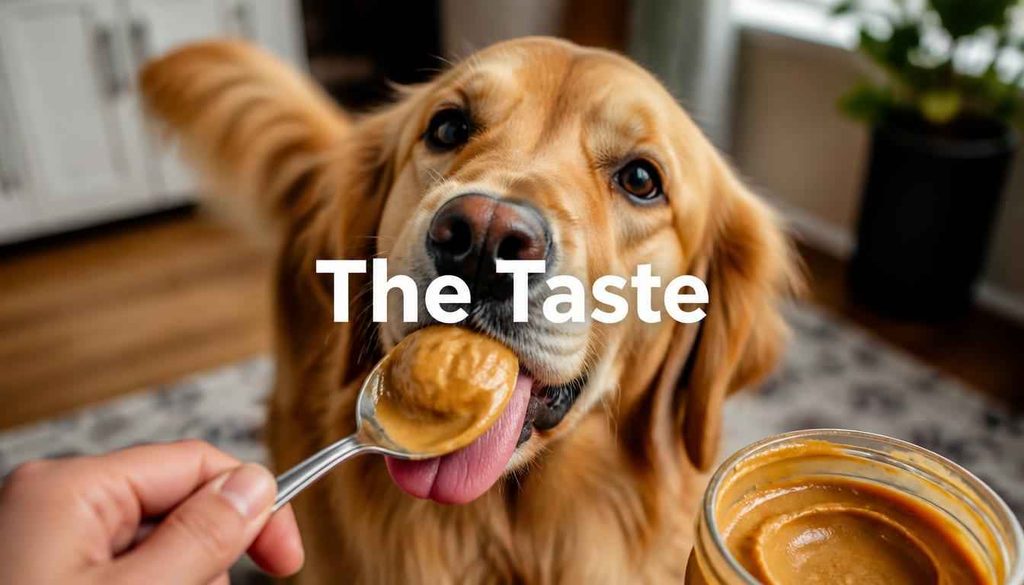
Peanut butter has a strong, rich flavor that many dogs find highly rewarding. Its fat content helps create a satisfying mouthfeel, while its roasted peanut flavor gives it a distinctive taste that is very different from ordinary dog food.
Dogs can taste sweet flavors, but their food preferences are not exactly the same as ours. The appeal of peanut butter is more likely to come from its overall combination of flavor, aroma, fat, and texture rather than simply its sweetness.
The creamy consistency also makes peanut butter enjoyable to lick. Licking is a natural behavior for dogs, but excessive licking can sometimes point to underlying issues. Understanding behaviors like why dogs lick their paws can help owners recognize when normal habits become signs that need attention. Peanut butter can still be used as a fun enrichment treat when offered in moderation.
High In Protein
Peanut butter contains protein, which is an important nutrient for dogs. Protein helps provide amino acids needed for normal muscle maintenance and many other functions throughout the body.
However, peanut butter should not be viewed as a major protein source for your dog. A complete and balanced dog food should provide the foundation of their nutrition. Peanut butter is better thought of as an occasional treat that happens to contain protein.
Your dog may enjoy peanut butter because it is rich and satisfying, but that does not necessarily mean your dog is eating it because their body is “asking” for protein.
It’s Smell
Smell may be one of the biggest reasons peanut butter gets such an enthusiastic response.
Dogs have an extraordinary sense of smell, and peanut butter has a powerful roasted aroma. When peanuts are roasted, chemical changes create many aromatic compounds that give peanut butter its familiar smell.
That strong scent can make peanut butter easy for dogs to notice. Once a dog learns that the smell is followed by a tasty reward, the reaction can become even stronger.
This is also why simply opening a peanut butter jar may be enough to get your dog’s attention from across the room.
Is Peanut Butter Safe for Dogs?
Yes, most dogs can eat plain peanut butter safely in moderation, provided it does not contain xylitol. Natural peanut butter with a short ingredient list is generally a better choice because it avoids unnecessary sweeteners and additives.
The most important safety step is checking the ingredient label before giving peanut butter to your dog.
Watch Out for Xylitol
Xylitol is a sugar substitute that is highly toxic to dogs. It can cause a rapid drop in blood sugar and may lead to severe, potentially life-threatening complications. Xylitol can also appear under the name birch sugar.
If your dog eats peanut butter containing xylitol, do not wait for symptoms to appear. Contact your veterinarian or an emergency veterinary service immediately.
Signs of xylitol poisoning can include weakness, staggering, collapse, and seizures.
Why Too Much Peanut Butter Can Be a Problem
Even xylitol-free peanut butter is calorie-dense and relatively high in fat. Large amounts can contribute to excess calorie intake, weight gain, digestive upset, and other diet-related problems. Dogs with conditions such as pancreatitis or those requiring a low-fat diet may need to avoid peanut butter unless their veterinarian approves it.
So the goal is simple: choose a safe product and keep the portion small.
Is Peanut Butter Good for Dogs?
Yes, peanut butter can be good for dogs when given in small amounts. It provides protein, healthy fats, and some vitamins and minerals.
However, it is also high in calories and fat, so too much can cause weight gain or stomach problems. Always choose plain peanut butter without xylitol, a sweetener that is highly toxic to dogs. A small, occasional serving is usually the safest choice.
How Much Peanut Butter Can Dogs Have?
There is no single amount that is perfect for every dog. The appropriate serving depends on your dog’s size, weight, activity level, overall diet, and health.
A useful general rule is that treats should make up no more than 10% of a dog’s daily calorie intake, with the remaining calories coming from a complete and balanced diet.
Because peanut butter is high in calories, even a small spoonful can be enough to make a dog happy.
If your dog has never eaten peanut butter before, start with a very small amount. Watch for vomiting, diarrhea, itching, skin redness, swelling, or other unusual reactions. Dogs can have food allergies or sensitivities, so introducing any new food gradually is sensible.
Here’s a quick cheat sheet:
A practical starting point from veterinary nutrition guidance is:
- Extra-small dogs: about ½ teaspoon
- Small dogs: about ½ teaspoon
- Medium dogs: about 1 teaspoon
- Large dogs: about 1 teaspoon
- Extra-large dogs: up to about 1 tablespoon
These are general guidelines rather than strict rules. PetMD notes that serving amounts should be adjusted according to the dog’s size, health, activity level, and total calorie intake.
If your dog is overweight, has diabetes, pancreatitis, food sensitivities, or follows a prescription diet, ask your veterinarian before making peanut butter a regular treat.
The Benefits of Peanut Butter for Dogs
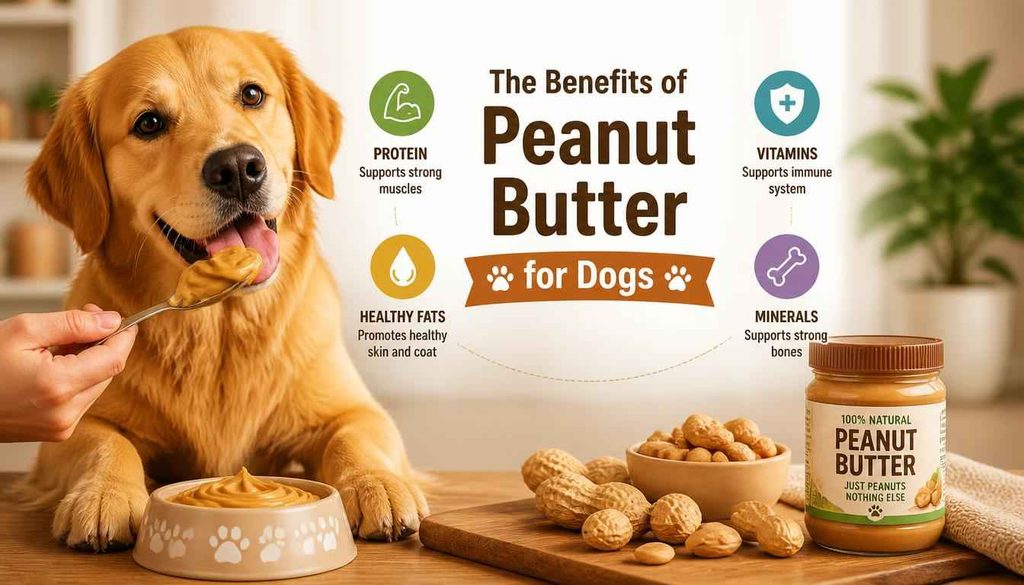
Peanut butter can offer some useful nutrients, but its main role should be as a small, enjoyable treat, not as a nutritional replacement for balanced dog food.
1. It’s Packed with Protein
Protein provides amino acids that dogs need for normal body function, including maintaining muscles and supporting tissues.
Peanut butter can contribute some protein to a dog’s diet, but the amount your dog should eat is too small for peanut butter to serve as a primary protein source.
Think of it as a tasty bonus rather than a nutritional necessity.
2. It’s a Good Source of Fiber
Peanuts contain some dietary fiber, and peanut butter can contribute a modest amount.
Fiber supports normal digestive function and is part of a healthy diet. However, peanut butter should not be used as your dog’s main source of fiber.
If your dog needs more dietary fiber for a specific health reason, your veterinarian can recommend more appropriate foods or a diet designed for that purpose.
3. It Contains Healthy Fats
Peanut butter contains unsaturated fats, which are part of its rich texture and flavor. It also provides calories that can make a small serving very satisfying.
But “healthy fat” does not mean unlimited fat. Peanut butter remains calorie-dense, and too many calories can contribute to weight gain. High-fat foods may also be inappropriate for dogs with certain health conditions.
This is why moderation matters even when the ingredient itself is not toxic.
4. It’s Full of Vitamins
Peanut butter can provide nutrients such as vitamin E and certain B vitamins, along with niacin.
Vitamin E supports normal cellular function, while B vitamins are involved in processes such as energy metabolism.
Still, your dog should receive most of their essential vitamins and minerals from a complete and balanced diet. Peanut butter should complement that diet, not replace it.
It also has B vitamins like:
Peanut butter contains several B vitamins, including niacin and other B-vitamin compounds.
These nutrients help support normal metabolism and body functions. However, the nutritional value varies between products, and the small serving size normally given to dogs means peanut butter should not be relied upon to meet vitamin requirements.
5. It Has Essential Minerals
Peanut butter also provides minerals such as magnesium, phosphorus, and manganese.
These minerals play roles in normal muscle function, energy metabolism, and maintaining bones and other tissues.
Again, the key is perspective. Peanut butter can provide useful nutrients, but your dog’s complete food should remain the primary source of nutrition.
Choosing the Best Dog Peanut Butter
The best peanut butter for dogs is usually the simplest one.
Look for a product with a short ingredient list, ideally centered around peanuts, with little or no added sugar and salt. Most importantly, make sure it contains no xylitol or birch sugar.
Before every new product, check the label rather than relying only on the brand name. Manufacturers can change ingredients and formulations.
A simple label checklist:
- Choose xylitol-free peanut butter.
- Avoid products with birch sugar.
- Prefer simple ingredients.
- Avoid heavily sweetened varieties.
- Avoid very salty products.
- Keep portions small.
- Check the label again if you buy a different product.
Natural or freshly ground peanut butter can be a convenient choice because it often has fewer unnecessary ingredients. Dog-specific peanut butter products can also work if their ingredients are safe.
Fun Ways to Feed Peanut Butter to Dogs
A tiny amount of peanut butter can turn ordinary treat time into an exciting enrichment activity.
You can spread a little on a lick mat, place it inside a food puzzle, or use a small amount in a suitable interactive toy. These activities encourage licking and can make dogs work for their reward rather than simply eating it immediately.
Peanut butter can also sometimes help when giving a dog medication. PetMD notes that creamy peanut butter can be useful for hiding some pills, provided the product is safe and appropriate for the individual dog.
Another fun option is freezing a small amount inside a dog-safe toy or mixing a little xylitol-free peanut butter with dog-friendly ingredients such as mashed banana. The American Kennel Club also describes frozen peanut-butter treats as an option when the peanut butter is free from xylitol.
The trick is not to use a lot. A thin smear can provide plenty of enjoyment.
Peanut Butter Alternatives (If Your Dog Can’t Have It)
Not every dog needs or tolerates peanut butter. If your dog has a sensitivity, allergy, dietary restriction, or health condition that makes high-fat treats unsuitable, there are other options.
Depending on your dog’s diet and veterinary advice, possible alternatives include plain pumpkin, cooked sweet potato, or other dog-safe fruits and vegetables.
For dogs with special dietary needs, the best alternative depends on why peanut butter is being avoided. A veterinarian can help choose an appropriate treat, particularly for dogs with pancreatitis, obesity, diabetes, food allergies, or prescription diets.
The important thing is that your dog does not need peanut butter to be happy. A balanced diet, proper training, and healthy habits can make a big difference in your dog’s behavior. If your dog struggles with unwanted habits like eating poop, learning safe home remedies and behavior tips can help address the issue. A tiny portion of an appropriate treat, a favorite toy, praise, playtime, or attention can all become rewarding experiences.
Can Dogs Taste Peanut Butter?
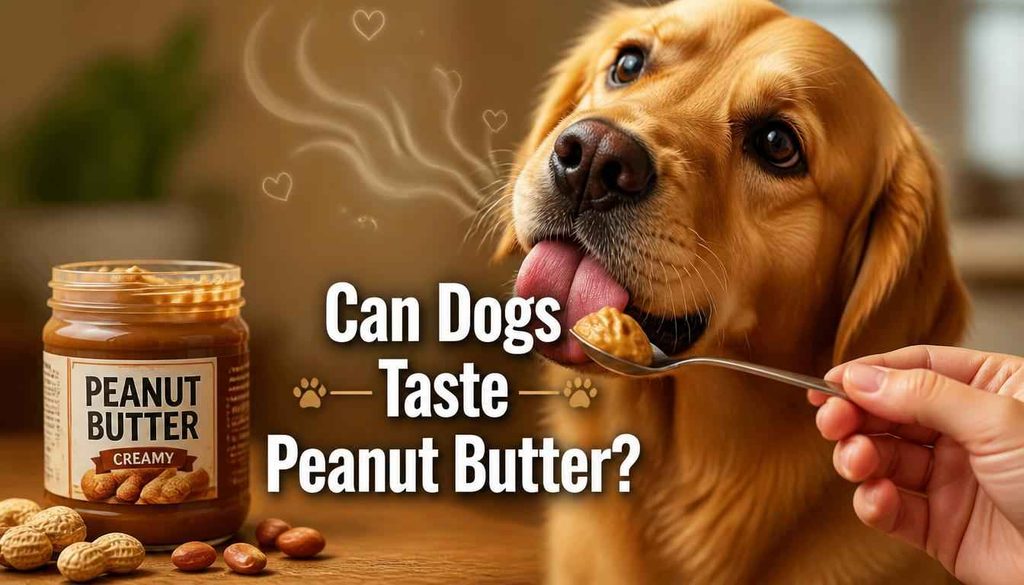
Yes, dogs can taste peanut butter. They notice its rich flavor, creamy texture, and strong smell. Dogs have taste buds that detect sweet, salty, sour, bitter, and savory flavors, so peanut butter can be an exciting treat for many dogs.
Do All Dogs Like Peanut Butter?
No, not all dogs like peanut butter. Most enjoy its strong smell and rich taste, but every dog has different food preferences. Some dogs may dislike its sticky texture, while others may have allergies, sensitive stomachs, or simply prefer different treats.
Why Do Dogs Like Peanut Butter So Much?
Dogs like peanut butter because it has a strong roasted smell, rich taste, creamy texture, and satisfying fat content. Its smell can quickly grab their attention, while repeated treats can teach dogs that peanut butter means something enjoyable is coming.
Why Do Dogs Love Peanut Butter?
Dogs often love peanut butter because its rich aroma and creamy texture make it highly appealing. The strong smell catches their attention, while the tasty flavor keeps them interested. Dogs may also connect peanut butter with rewards, playtime, medication, or affection.
FAQs about Dog Peanut Butter
Why do dogs like peanut butter so much?
Dogs may love peanut butter because of its strong roasted aroma, rich flavor, creamy texture, and high fat content. They can also learn to associate peanut butter with rewards, attention, play, or other positive experiences.
Can dogs eat peanut butter?
Yes. Most dogs can eat peanut butter in moderation as long as it does not contain xylitol. Choose a simple product and always check the ingredient label first.
Why is xylitol in peanut butter dangerous for dogs?
Xylitol can cause a rapid and potentially dangerous drop in a dog’s blood sugar. Severe poisoning can result in weakness, collapse, seizures, and other life-threatening problems.
Can dogs eat peanut butter every day?
It is generally better to use peanut butter as an occasional treat rather than feeding it every day. Its high calorie and fat content can make overfeeding easy. Treats should generally stay within 10% of your dog’s daily calories.
What is the best peanut butter for dogs?
A simple peanut butter with minimal ingredients and no xylitol or birch sugar is generally the better choice. Unsalted or low-sodium varieties without unnecessary sweeteners are preferable.
Can puppies have peanut butter?
Puppies may be able to have a tiny amount of safe, xylitol-free peanut butter, but their nutritional needs are different from adult dogs. Treats should remain limited, and your veterinarian can advise you on appropriate foods for your puppy.
Can dogs eat crunchy peanut butter?
Yes, dogs can generally eat crunchy peanut butter if it is xylitol-free and given in moderation. However, choose a texture your individual dog can eat comfortably and avoid products with unsafe ingredients.
Can peanut butter make dogs sick?
Too much peanut butter can cause digestive upset and contribute excessive calories and fat. Some dogs may also have food sensitivities or allergies. If your dog develops vomiting, diarrhea, itching, swelling, or another concerning reaction, stop feeding it and contact your veterinarian.
Can peanut butter help give a dog medicine?
Sometimes. A small amount of creamy, xylitol-free peanut butter can help hide certain pills. However, some medications should not be given with particular foods, so follow your veterinarian’s instructions.
Why does my dog want peanut butter all the time?
Your dog may simply find its smell, taste, and texture highly rewarding. They may also have learned that peanut butter predicts attention, treats, toys, or other enjoyable experiences.
Summing it all up
So, why do dogs like peanut butter? The answer is a delicious combination of strong aroma, rich flavor, creamy texture, fat, and positive associations. For many dogs, even a tiny lick is exciting.
Peanut butter can be a wonderful occasional reward when you choose it carefully. The most important rule is simple: check the label for xylitol, keep portions small, and treat peanut butter as a treat rather than a dietary staple.
If your dog has a health condition, follows a prescription diet, or reacts badly to peanut butter, your veterinarian should guide the choice of treats.
A little safe peanut butter can create a lot of tail-wagging joy—without needing to overdo it.



Pingback: Why Do Dogs Eat Sticks? Reasons, Risks & How to Stop