

The best small dog breeds for families with kids include Cavalier King Charles Spaniels, Bichon Frises, Beagles, Shih Tzus, and Miniature Poodles. They are known for friendly, affectionate, and family-oriented temperaments. Choose a breed that matches your children’s age and activity level, and always supervise children around dogs.
Find a loving small dog your kids will adore! Explore friendly, playful breeds that fit your family, home, lifestyle, and everyday adventures.
Key Takeaways
- Look for a small dog with a gentle, patient, and social temperament.
- A sturdy small breed may handle family play better than a very fragile toy breed.
- Match the dog’s energy level with your family’s daily routine.
- Young children should always be supervised around dogs, regardless of breed.
- Teach children to respect a dog’s food, bed, body, and personal space.
- Some small dogs need daily exercise and mental stimulation, while others are happier with shorter walks and relaxed family time.
- Grooming needs vary widely, from easy short coats to breeds needing frequent brushing and professional grooming.
- Health concerns, size, temperament, and training should all be considered before bringing a dog home.
Best Small Dog Breeds for Families With Kids
There is no single breed that is perfect for every family. The best match depends on the dog’s personality, the children’s ages, your home, and how much time your family has for exercise, training, grooming, and companionship.
The breeds below offer a wide range of personalities and activity levels. Some are energetic playmates, while others are calmer companions who enjoy relaxing with the family.
Beagle

Beagles are friendly, curious, playful dogs that often enjoy busy family homes. Their sturdy build makes them better suited to active play than many very delicate toy breeds. They need regular exercise and mental stimulation because their strong sense of smell can lead them on adventures.
They can also be vocal, so families should be prepared for barking and howling. Secure fencing and leash training are especially important because a Beagle may follow an interesting scent.
Weight: About 20–30 pounds
Lifespan: About 12–15 years
Energy: High
Grooming: Low
Pug

Pugs are affectionate, social, and happiest when they are close to their people. Their compact size makes them suitable for smaller homes, and they generally do not need intense exercise.
They can be wonderful companions for gentle children, but families should be careful during hot weather because their short muzzle can make heat and strenuous exercise more difficult. Their easy-care coat also sheds, so regular brushing can help reduce loose hair.
Weight: About 14–18 pounds
Lifespan: About 12–15 years
Energy: Low to moderate
Grooming: Low
West Highland White Terrier (Westie)
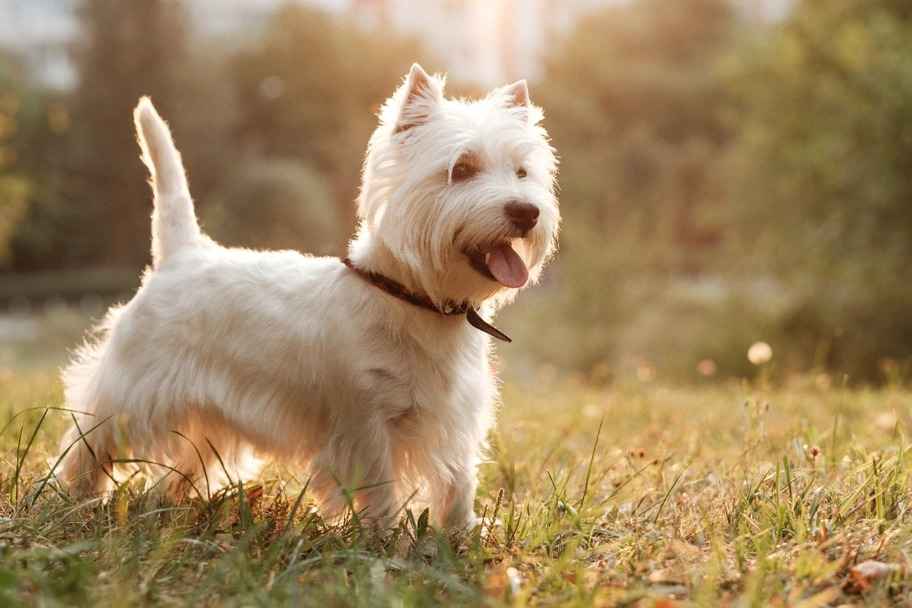
Westies are confident, cheerful, and sturdy little dogs with plenty of personality. Their moderate exercise needs can work well for families that enjoy walks and outdoor activities without needing a highly athletic dog.
They can be independent and energetic, so early training and socialization are useful. Their coat also needs regular care to stay clean and healthy.
Weight: About 15–20 pounds
Lifespan: About 13–15 years
Energy: Moderate
Grooming: Moderate
Shih Tzu
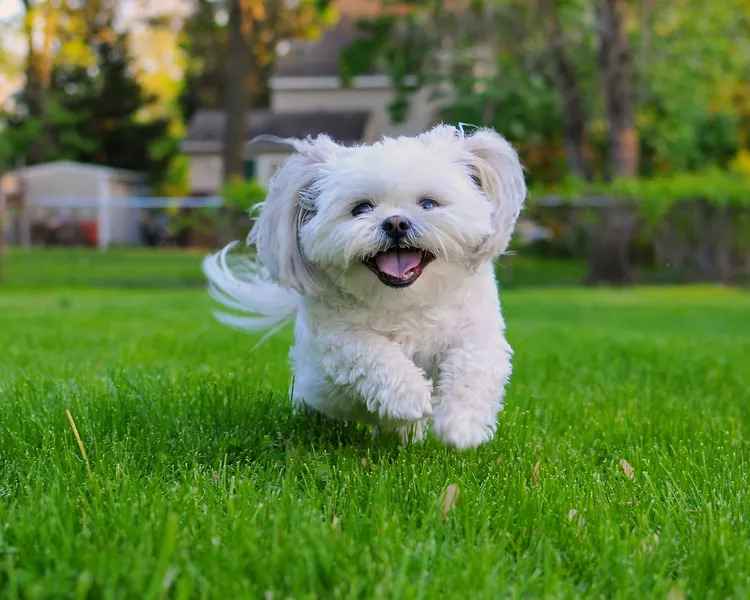
Shih Tzus are affectionate companion dogs that often enjoy spending time beside their families. Their calm nature and relatively low exercise needs can make them a good fit for apartments and quieter households.
Their small size means young children should be taught gentle handling. Their long coat also needs frequent brushing or a shorter professional trim to make daily care easier.
Weight: About 9–16 pounds
Lifespan: About 10–16 years
Energy: Low to moderate
Grooming: High
Cavalier King Charles Spaniel

Cavalier King Charles Spaniels are gentle, affectionate, and adaptable. They often enjoy both relaxed family time and moderate daily activity, making them versatile companions.
They generally prefer friendly, gentle interaction rather than rough play. Regular grooming is needed to prevent tangles, and prospective owners should discuss breed-related health concerns with a veterinarian.
Weight: About 13–18 pounds
Lifespan: About 9–14 years
Energy: Moderate
Grooming: Moderate
French Bulldog

French Bulldogs are affectionate, playful, and generally easygoing. Their compact but muscular bodies can make them a practical option for families that want a smaller dog without an especially delicate build.
They do not require large amounts of exercise, but families need to take extra care in hot weather. Their short facial structure can contribute to breathing and heat-related problems, so strenuous activity should be avoided in high temperatures.
Weight: About 16–28 pounds
Lifespan: About 10–12 years
Energy: Low to moderate
Grooming: Low
Bichon Frise
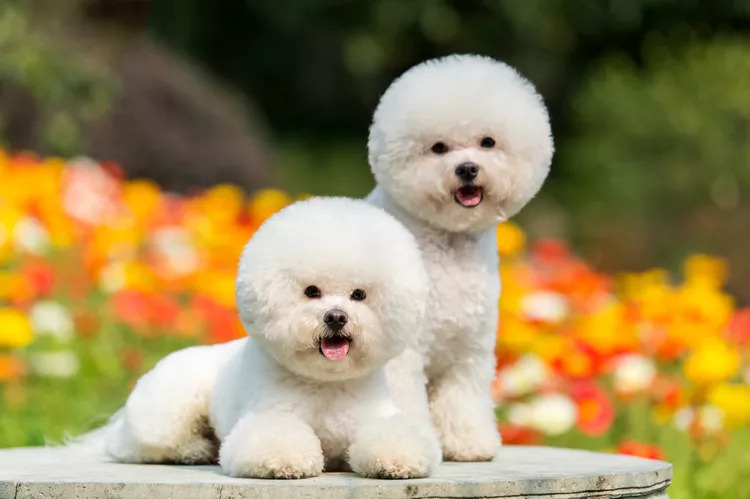
Bichon Frises are cheerful, affectionate, and playful. They often enjoy being involved in family activities and can be good companions for children who understand how to treat a dog gently.
Their coat sheds relatively little but requires regular brushing and grooming. Some Bichons can also become distressed when left alone for long periods, so they may suit families that spend plenty of time at home.
Weight: About 10–18 pounds
Lifespan: About 12–15 years
Energy: Moderate
Grooming: High
Boston Terrier

Boston Terriers are friendly, lively, adaptable, and affectionate. Their compact size makes them convenient for many homes, while their playful personality can keep children entertained.
They need basic training because their enthusiasm can sometimes turn into jumping or overly energetic behavior. Families should also protect them from extreme heat and cold and discuss breed-specific health concerns with their veterinarian.
Weight: About 12–25 pounds
Lifespan: About 11–13 years
Energy: Moderate
Grooming: Low
Cocker Spaniel
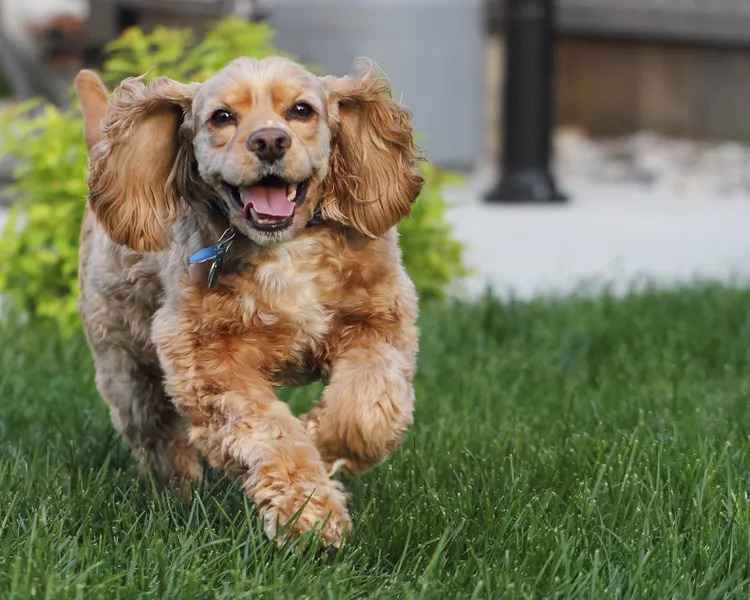
Cocker Spaniels are affectionate, cheerful, and eager to participate in family activities. They can be a particularly good match for families that enjoy walks, outdoor games, and regular activity.
Their beautiful coat requires consistent grooming, and their ears need regular attention. A well-socialized Cocker can make a loving companion when children understand how to interact respectfully.
Weight: About 20–30 pounds
Lifespan: About 10–14 years
Energy: Moderate to high
Grooming: High
Havanese
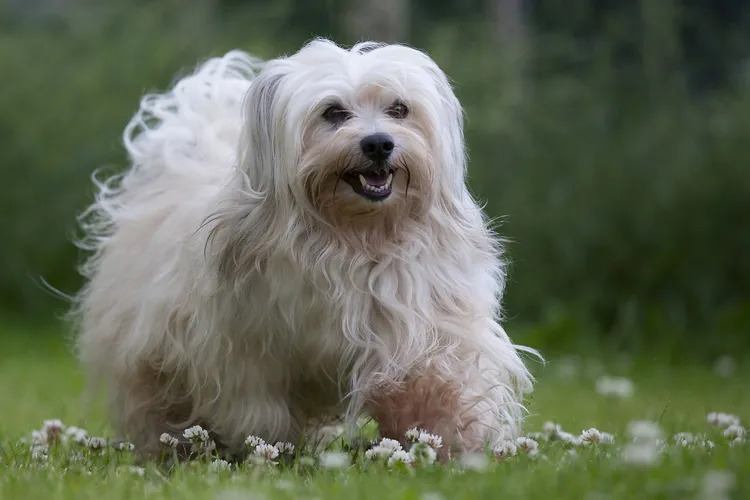
Havanese are friendly, affectionate, intelligent, and eager to learn. Their social nature can make them enjoyable companions for families, and many children enjoy teaching them simple tricks.
Their coat requires regular brushing, although some owners choose a shorter haircut for easier maintenance. They can also become attached to their families and may struggle when left alone for extended periods.
For families comparing coat care among small breeds, it can also help to understand do Havanese dogs shed and what their coat maintenance involves.
Weight: About 7–16 pounds
Lifespan: About 14–16 years
Energy: Moderate
Grooming: High
Miniature Schnauzer
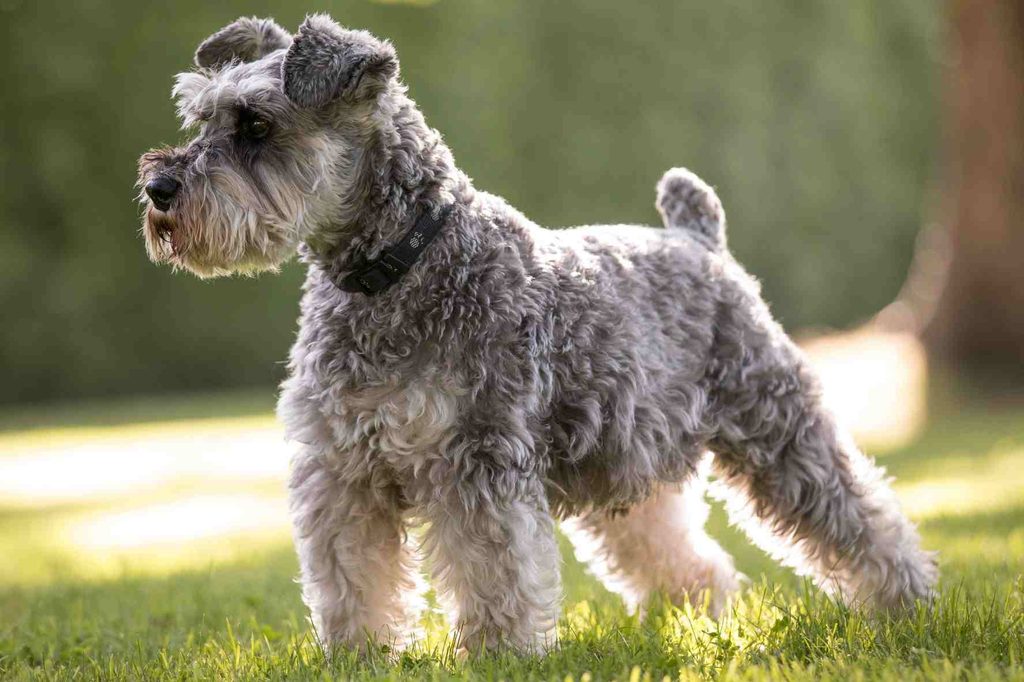
Miniature Schnauzers are smart, friendly, spirited, and highly trainable. They can fit well into active families because they enjoy walks, games, and learning new behaviors.
Their intelligence means they benefit from mental stimulation as well as physical exercise. Their distinctive coat also needs regular grooming to stay neat.
Weight: About 11–20 pounds
Lifespan: About 12–15 years
Energy: Moderate to high
Grooming: High
Maltese
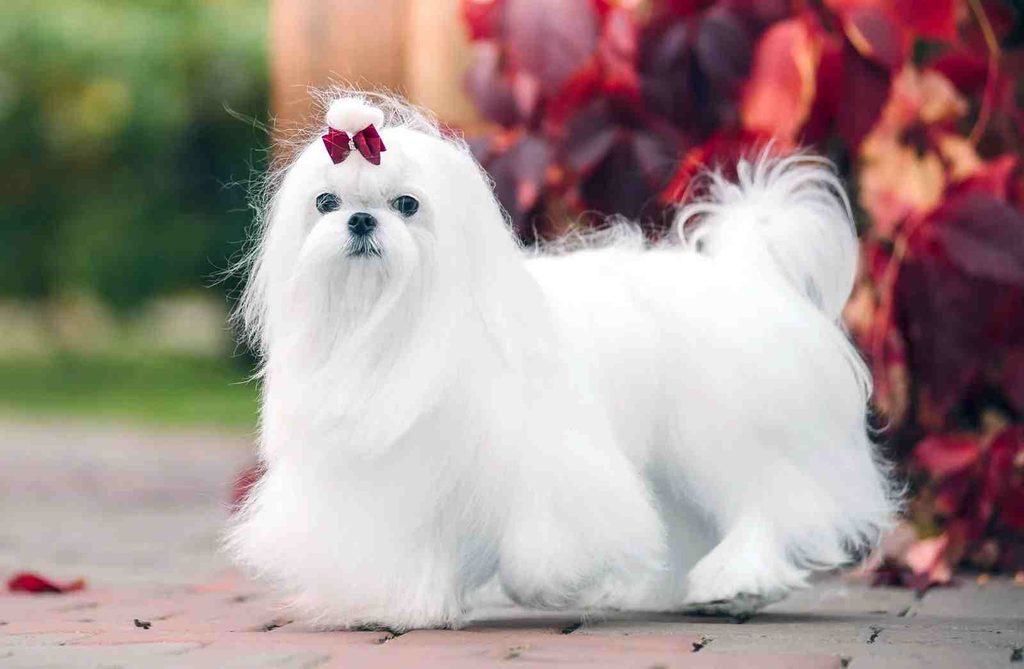
Maltese are affectionate, lively, and small enough to fit comfortably into many homes. Their low-shedding coat can appeal to families who prefer less loose hair around the house.
However, their tiny size also makes them more vulnerable to accidental injury. They are generally better suited to older children who can follow rules about gentle handling. Regular brushing and dental care are also important.
Weight: About 4–7 pounds
Lifespan: About 12–15 years
Energy: Moderate
Grooming: High
Yorkshire Terrier
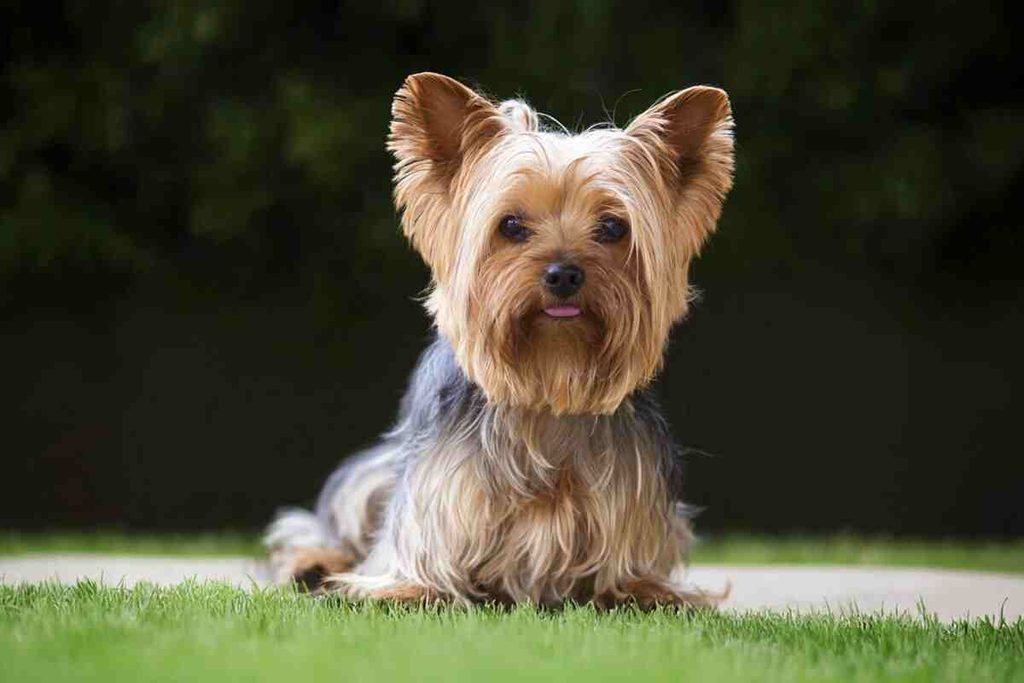
Yorkshire Terriers are tiny, affectionate dogs with confident personalities. They can adapt well to apartment living and often form strong bonds with their families.
Because Yorkies are very small, they are usually a better choice for older children who understand that a little dog cannot be handled like a toy. Training may also be needed to manage barking.
Weight: About 4–7 pounds
Lifespan: About 13–16 years
Energy: Moderate
Grooming: High
Pomeranian
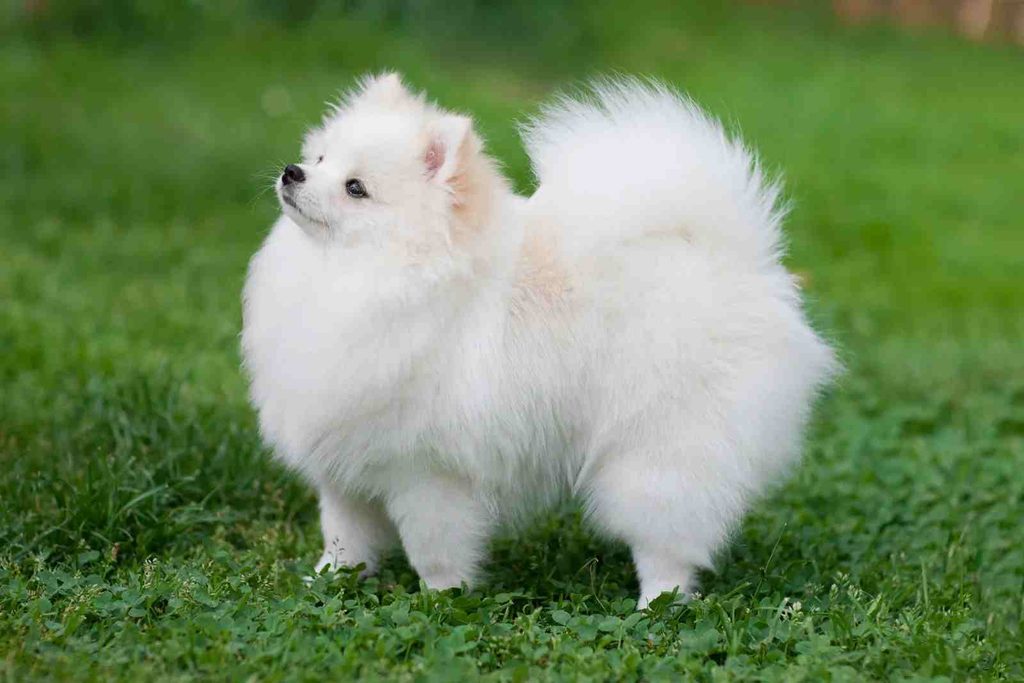
Pomeranians are energetic, curious, intelligent, and full of personality. Their small size makes them convenient for many homes, but it also means they can be injured easily during rough play.
They are generally better suited to older children who can handle them carefully. Their thick coat needs regular brushing, and consistent training can help manage barking and other unwanted behaviors.
Families researching other small fluffy breeds may also want to understand do Pomeranian dogs shed before making a decision.
Weight: About 3–7 pounds
Lifespan: About 12–16 years
Energy: Moderate to high
Grooming: High
Chihuahua
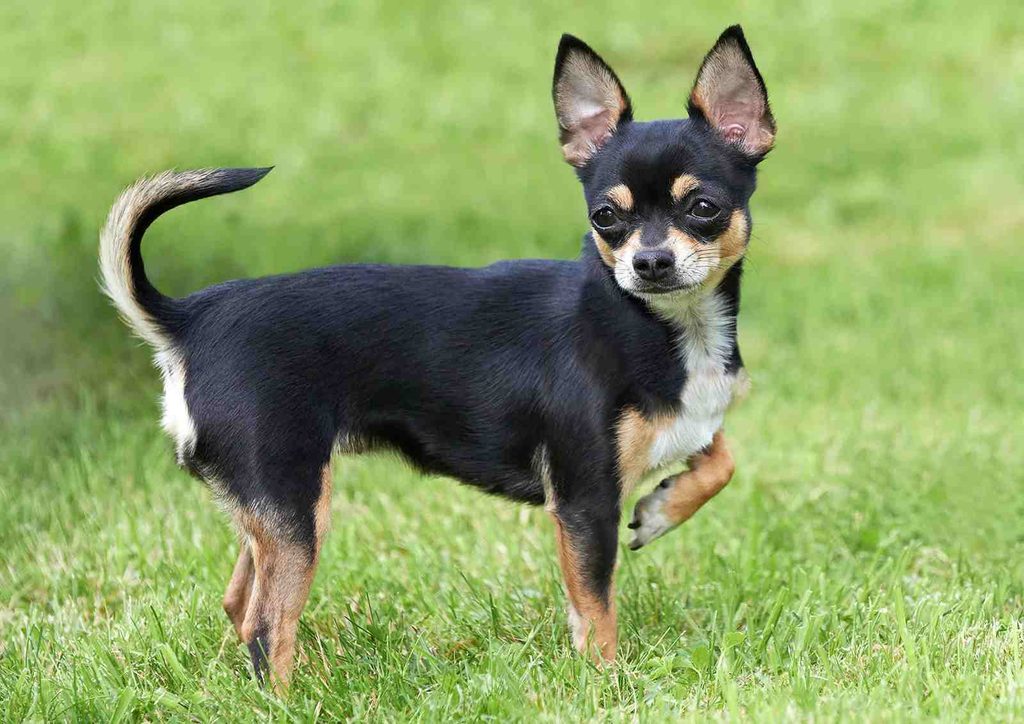
Chihuahuas are among the smallest dog breeds, but they often have confident and loyal personalities. Many become strongly attached to their families and can be affectionate companions.
Their tiny bodies require careful handling, particularly around young children. They can also be cautious around unfamiliar people and sensitive to cold weather, so families should provide appropriate protection and socialization.
Weight: About 3–6 pounds
Lifespan: About 14–16 years
Energy: Low to moderate
Grooming: Low
Jack Russell Terrier

Jack Russell Terriers are energetic, clever, fearless, and always ready for activity. They can be excellent companions for families that enjoy outdoor adventures and have plenty of time for exercise.
Their high energy and strong prey drive mean they need training, supervision, and secure fencing. They may not be the easiest match for a quiet family looking for a low-energy lap dog.
Weight: About 13–17 pounds
Lifespan: About 13–16 years
Energy: High
Grooming: Low
Poodle (Miniature/Toy)
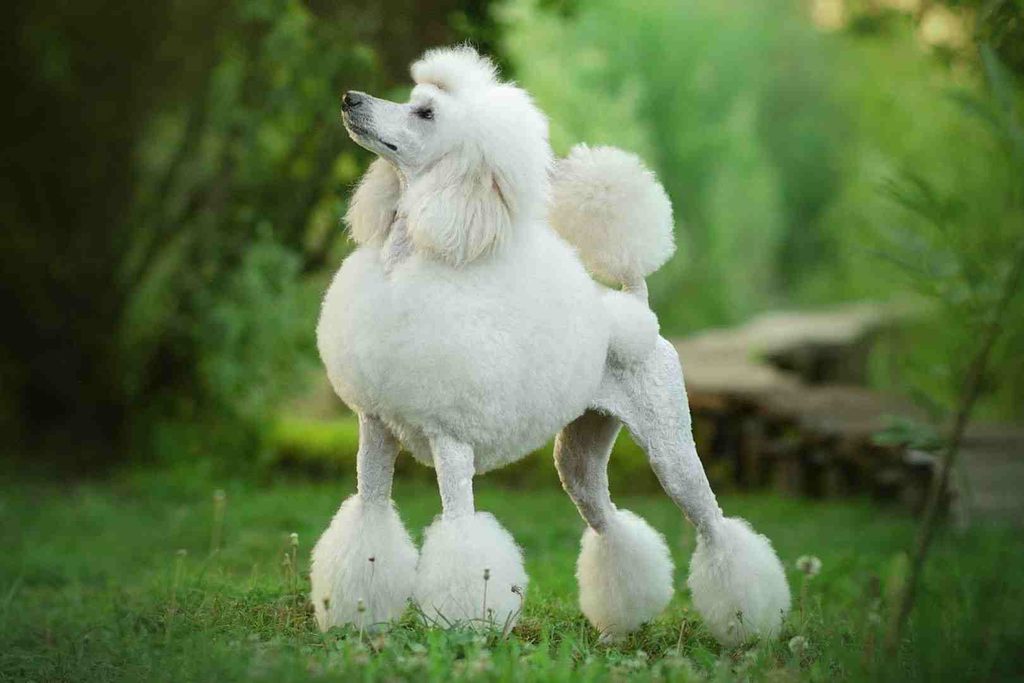
Miniature and Toy Poodles are intelligent, trainable, and highly responsive to positive training. They can make engaging family companions because they enjoy learning and mental challenges.
Their curly coats are low-shedding but require regular professional grooming. Families should also choose the size carefully: Toy Poodles are especially small and need gentle handling around young children.
Weight: About 4–15 pounds, depending on variety
Lifespan: About 12–15 years
Energy: Moderate to high
Grooming: High
Corgi (Pembroke Welsh)
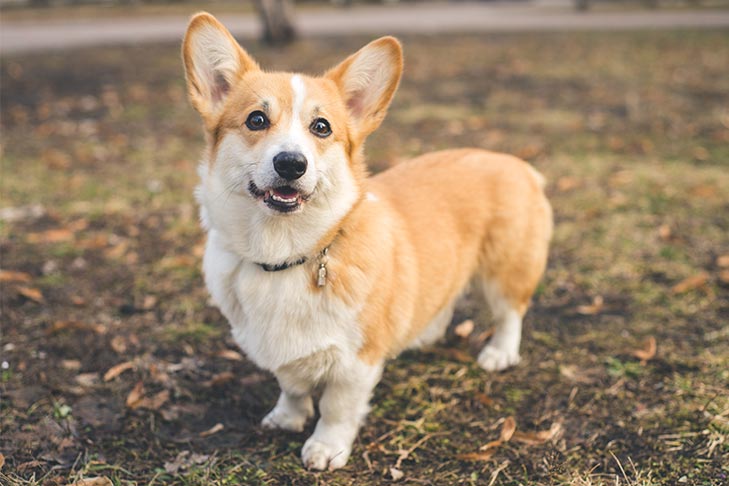
Pembroke Welsh Corgis are affectionate, intelligent, alert, and sturdily built. Their playful personality can suit active families that want a small-to-medium dog with plenty of energy.
They need regular exercise and mental stimulation. Their herding background can also encourage behaviors such as chasing or nipping at heels, so early training and consistent boundaries are important.
Weight: About 25–30 pounds
Lifespan: About 12–15 years
Energy: High
Grooming: Moderate
Cairn Terrier
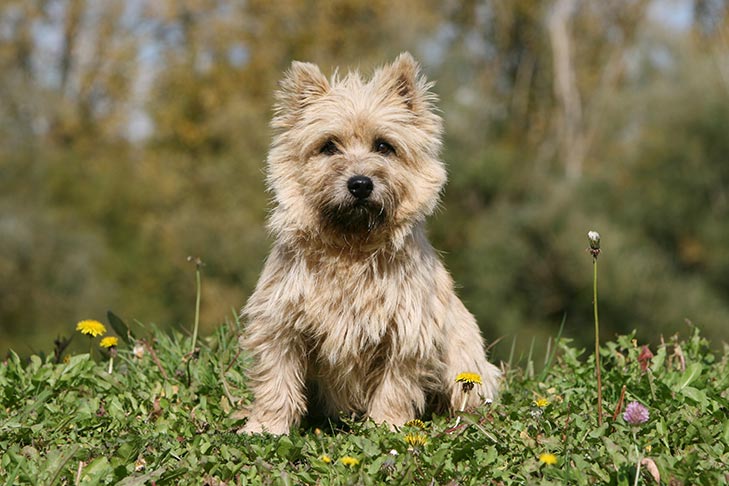
Cairn Terriers are cheerful, adventurous, loyal, and sturdy despite their small size. They often enjoy games and outdoor activities with their families.
Their terrier instincts can make them energetic around other animals and fast-moving situations. Early socialization and supervision are particularly helpful in homes with other pets or very active children.
Weight: About 13–14 pounds
Lifespan: About 13–15 years
Energy: Moderate to high
Grooming: Moderate
Italian Greyhound
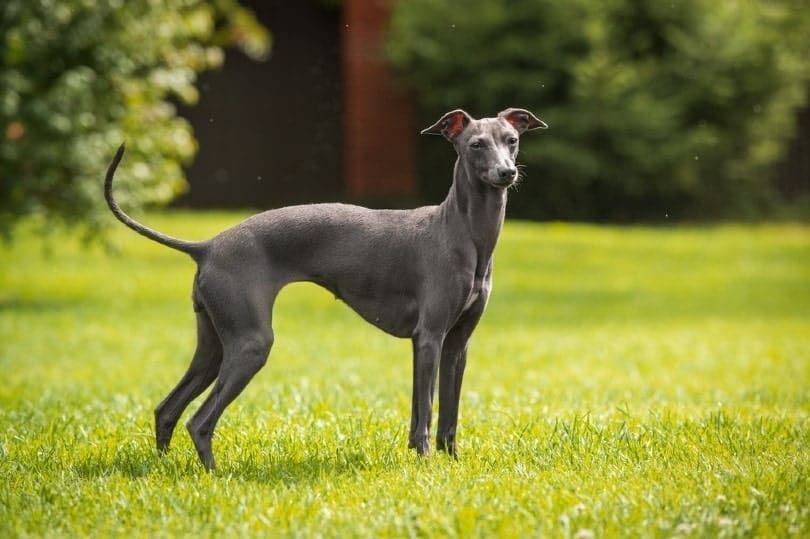
Italian Greyhounds are gentle, affectionate, sensitive dogs that often enjoy warmth and close companionship. They can be wonderful for calm families with older children who understand the need for careful handling.
Their slender bodies are more vulnerable to injury than those of sturdier small breeds. Families with young children should therefore consider whether the household environment is calm enough for this delicate breed.
Weight: About 7–14 pounds
Lifespan: About 14–15 years
Energy: Moderate
Grooming: Low
Miniature Pinscher
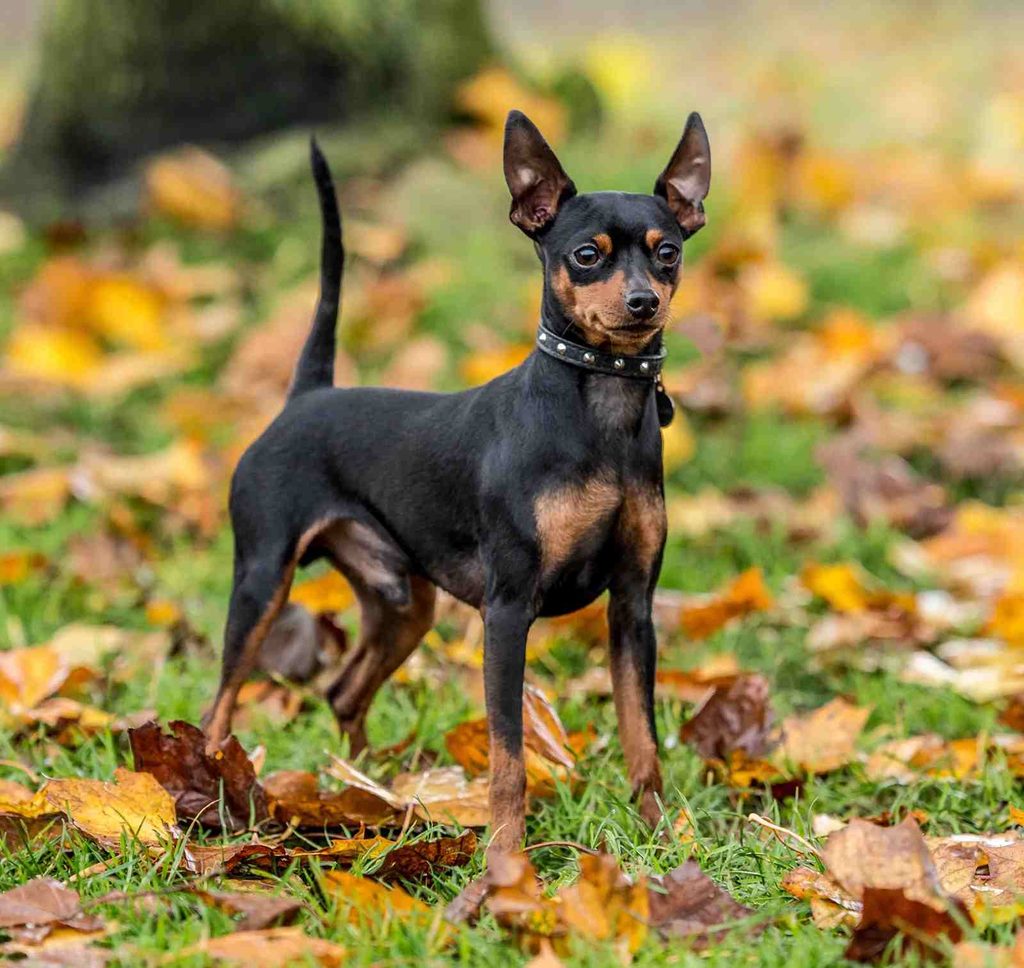
Miniature Pinschers are confident, energetic, alert, and fearless. They can bring plenty of fun to an active family and often enjoy learning games and basic commands.
Their adventurous nature means secure doors and fencing are important. Training and regular exercise can help channel their energy into positive family activities.
Weight: About 8–12 pounds
Lifespan: About 12–16 years
Energy: High
Grooming: Low
Lhasa Apso
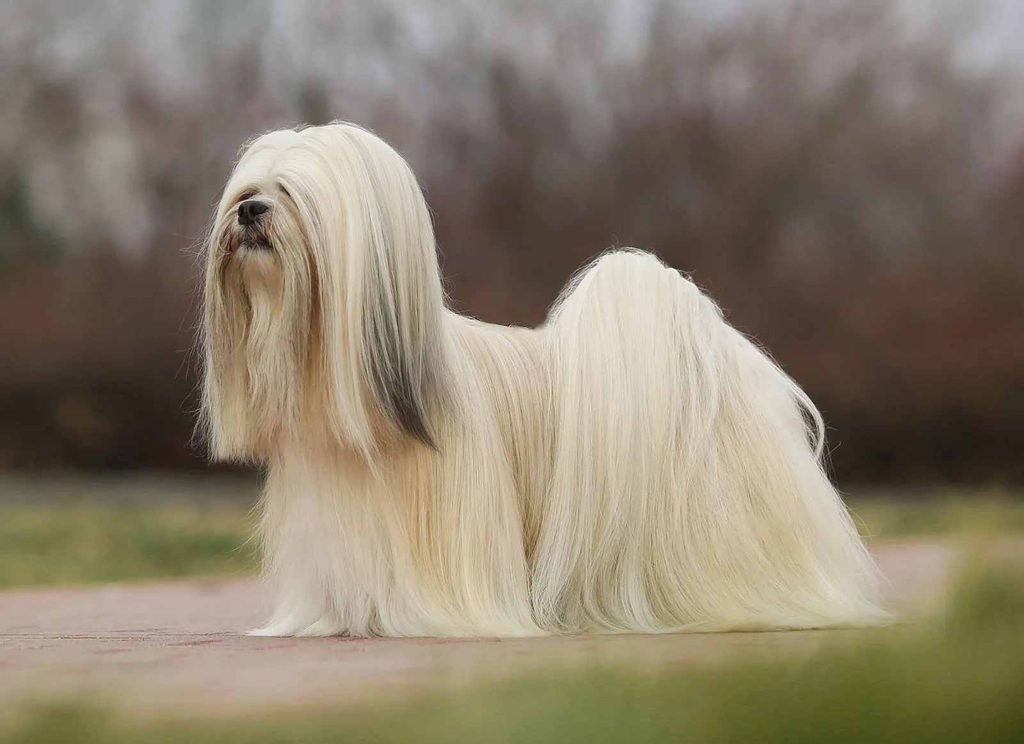
Lhasa Apsos are confident, loyal, alert, and often calmer than some other small breeds. They can suit families looking for a companion that enjoys spending time nearby without needing constant physical activity.
They may be cautious around unfamiliar people, so positive socialization is useful. Their long coat also requires regular grooming unless kept in a shorter style.
Weight: About 12–18 pounds
Lifespan: About 12–15 years
Energy: Low to moderate
Grooming: High
Scottish Terrier
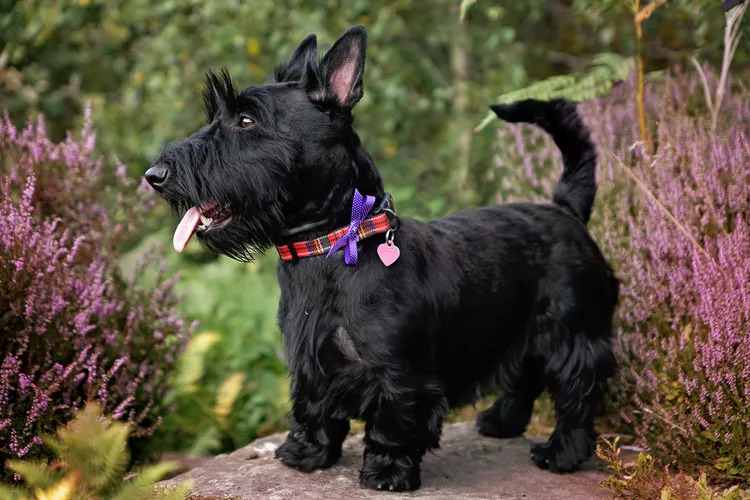
Scottish Terriers are compact, sturdy, confident dogs with strong personalities. They can become deeply attached to their families and enjoy having a predictable routine.
They may be independent and can dislike rough handling, making respectful interaction especially important. Early training and socialization can help children and dogs learn good boundaries.
Weight: About 18–22 pounds
Lifespan: About 11–13 years
Energy: Moderate
Grooming: Moderate
Lakeland Terrier
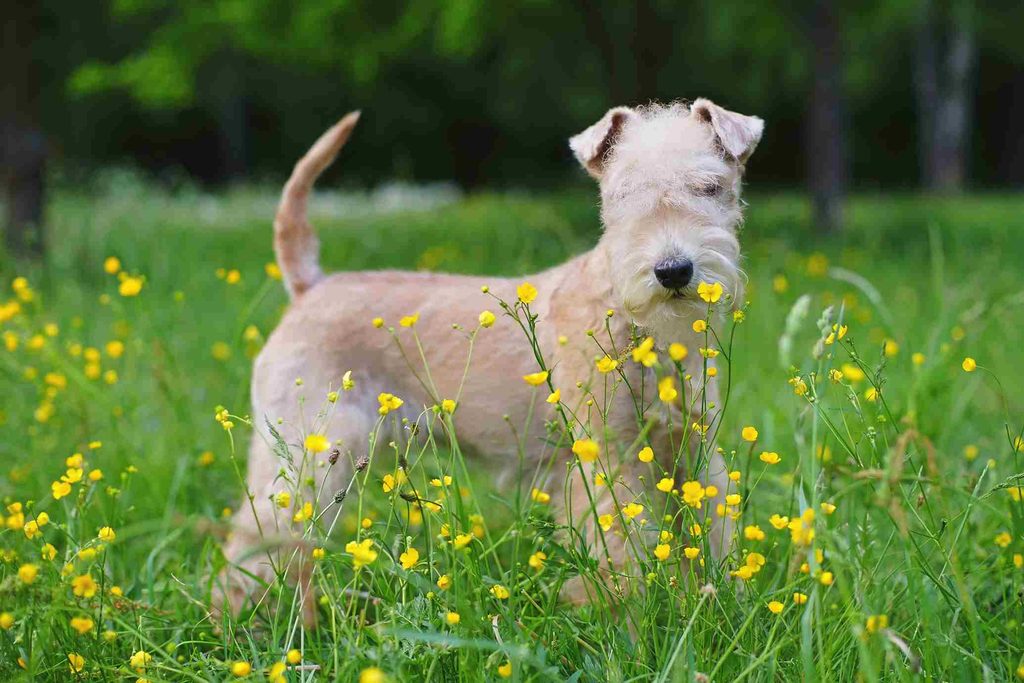
Lakeland Terriers are friendly, confident, energetic, and trainable. Their active nature can make them a good match for families that enjoy walking, playing, and spending time outdoors.
They need enough daily activity to stay content and benefit from consistent training. Their coat also needs regular grooming.
Weight: About 15–17 pounds
Lifespan: About 12–15 years
Energy: High
Grooming: High
Norfolk Terrier
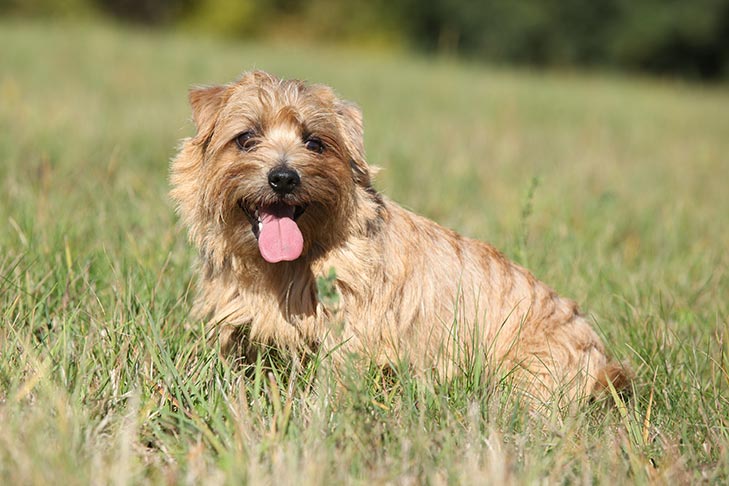
Norfolk Terriers are adventurous, affectionate, alert, and energetic. They often enjoy being involved in family activities and can make lively companions.
Their prey drive means secure fencing is important, particularly if the home has smaller pets. Regular grooming and daily activity also help keep them healthy and engaged.
Weight: About 11–12 pounds
Lifespan: About 12–16 years
Energy: Moderate to high
Grooming: Moderate
Papillon

Papillons are intelligent, athletic, friendly, and eager to learn. They may be small, but they can keep up surprisingly well with active families.
Their delicate size makes them better suited to older children who know how to handle dogs gently. They often enjoy trick training and other activities that provide mental stimulation.
Weight: About 5–10 pounds
Lifespan: About 14–16 years
Energy: Moderate to high
Grooming: Moderate
Dachshund
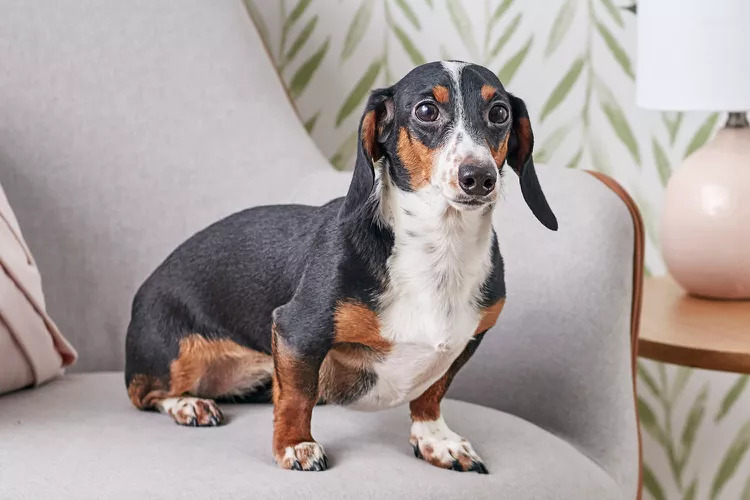
Dachshunds are curious, brave, lively, and devoted to their families. They can be entertaining companions and often enjoy games and walks.
Their long backs require special care. Families should limit activities involving repeated jumping from furniture or stairs and teach children to handle the dog properly. Their independent nature can also make training a little challenging.
If your family is also considering the nickname “wiener dog,” it is worth learning more about whether Wiener Dogs are hypoallergenic before choosing one.
Weight: Up to about 32 pounds for standard varieties; up to about 11 pounds for miniature varieties
Lifespan: About 12–16 years
Energy: Moderate
Grooming: Low to moderate
Small Dog Breeds for Families: Quick Comparison
| Breed | Weight | Lifespan | Temperament | Energy | Grooming |
| Beagle | 20–30 lb | 12–15 yrs | Curious, friendly | High | Low |
| Pug | 14–18 lb | 12–15 yrs | Affectionate, social | Low–Moderate | Low |
| Westie | 15–20 lb | 13–15 yrs | Friendly, confident | Moderate | Moderate |
| Shih Tzu | 9–16 lb | 10–16 yrs | Affectionate, calm | Low–Moderate | High |
| Cavalier | 13–18 lb | 9–14 yrs | Gentle, affectionate | Moderate | Moderate |
| French Bulldog | 16–28 lb | 10–12 yrs | Playful, easygoing | Low–Moderate | Low |
| Bichon Frise | 10–18 lb | 12–15 yrs | Cheerful, gentle | Moderate | High |
| Boston Terrier | 12–25 lb | 11–13 yrs | Friendly, playful | Moderate | Low |
| Cocker Spaniel | 20–30 lb | 10–14 yrs | Gentle, happy | Moderate–High | High |
| Havanese | 7–16 lb | 14–16 yrs | Cheerful, social | Moderate | High |
| Miniature Schnauzer | 11–20 lb | 12–15 yrs | Smart, friendly | Moderate–High | High |
| Maltese | 4–7 lb | 12–15 yrs | Affectionate, lively | Moderate | High |
| Yorkshire Terrier | 4–7 lb | 13–16 yrs | Loyal, affectionate | Moderate | High |
| Pomeranian | 3–7 lb | 12–16 yrs | Bold, curious | Moderate–High | High |
| Chihuahua | 3–6 lb | 14–16 yrs | Loyal, alert | Low–Moderate | Low |
| Jack Russell Terrier | 13–17 lb | 13–16 yrs | Energetic, clever | High | Low |
| Poodle | 4–15 lb | 12–15 yrs | Intelligent, active | Moderate–High | High |
| Corgi | 25–30 lb | 12–15 yrs | Smart, affectionate | High | Moderate |
| Cairn Terrier | 13–14 lb | 13–15 yrs | Fearless, cheerful | Moderate–High | Moderate |
| Italian Greyhound | 7–14 lb | 14–15 yrs | Gentle, sensitive | Moderate | Low |
| Miniature Pinscher | 8–12 lb | 12–16 yrs | Spirited, fearless | High | Low |
| Lhasa Apso | 12–18 lb | 12–15 yrs | Calm, loyal | Low–Moderate | High |
| Scottish Terrier | 18–22 lb | 11–13 yrs | Independent, confident | Moderate | Moderate |
| Lakeland Terrier | 15–17 lb | 12–15 yrs | Friendly, energetic | High | High |
| Norfolk Terrier | 11–12 lb | 12–16 yrs | Alert, fun-loving | Moderate–High | Moderate |
| Papillon | 5–10 lb | 14–16 yrs | Friendly, intelligent | Moderate–High | Moderate |
| Dachshund | Up to 32 lb | 12–16 yrs | Curious, brave | Moderate | Low–Moderate |
Tips for Choosing a Small Dog for Kids
Choosing a family dog is about more than appearance or size. Think about your children’s ages, daily routine, living space, activity level, and the amount of time your family can give to training and care.
Teach Children How to Behave Around Dogs
Children should learn that a dog is a living companion, not a toy. Show them how to pet gently, avoid pulling ears or tails, and leave the dog alone while it is eating, sleeping, hiding, or resting.
Adults should supervise interactions, especially with toddlers. Even a friendly dog can react if it feels frightened, trapped, hurt, or overwhelmed.
A simple family rule can help: let the dog come to you rather than chasing or forcing interaction.
Understand a Dog’s Behavior Cues
Dogs communicate through body language. Children and adults should learn to notice signs that a dog wants more space, such as moving away, hiding, turning its head, becoming unusually still, or showing other signs of discomfort.
A small dog may be especially easy for a young child to crowd or pick up. Teaching children to respect these signals helps create safer and more positive relationships.
Do Your Research and Plan Ahead
Before choosing a breed, research its temperament, exercise needs, grooming requirements, common health concerns, and expected adult size. A reputable breeder, rescue organization, or knowledgeable veterinary professional can help you understand whether a particular dog fits your household.
It is also smart to prepare the home before bringing the dog in. Set up a quiet resting area, establish family rules, prepare basic supplies, and decide who will handle feeding, walking, training, and veterinary care.
If your family is considering other breeds beyond the small-dog category, understanding how big Cavapoo dogs get can also help when comparing expected adult size.
FAQs
What is the best age to introduce a dog to a family with children?
There is no universal age that works for every family. Younger children need close adult supervision and must be able to follow basic safety rules. Families should consider the child’s maturity, the dog’s temperament, and whether adults can consistently supervise interactions.
How can parents ensure the safety of interactions between kids and small dogs?
Teach children to approach gently, avoid rough play, and never disturb a dog while it is eating or sleeping. Always supervise young children around dogs and give the dog a quiet space where it can retreat when it wants to be alone.
Can small dogs with high energy levels adapt to family living?
Yes. High-energy small dogs can fit well into active families when they receive enough exercise, training, play, and mental stimulation. Breeds such as Beagles, Jack Russell Terriers, and Miniature Pinschers may need more daily activity than calmer companion breeds.
Are small dogs good with toddlers?
Some can be, but size alone does not determine whether a dog is suitable for toddlers. Very small or delicate breeds can be injured accidentally, while young children may not yet understand gentle handling. Adult supervision is essential with any breed.
What are the best dog breeds for families with small children?
Friendly, patient, social, and sturdy breeds can be good candidates. Beagles, Bichon Frises, Boston Terriers, Cavalier King Charles Spaniels, and Cocker Spaniels are examples often considered for families, but individual temperament and proper socialization matter just as much as breed.
What small dog breeds are good with toddlers?
There is no breed that guarantees safe behavior around toddlers. Families should look for an individual dog with a stable, friendly temperament and choose a size that can safely fit the household. Supervision, respectful handling, and early socialization remain essential.
Choosing the right small breed for your family
The best small dog for a family is the one whose temperament, size, energy level, and care needs fit your everyday life. A playful Beagle may suit an active household, while a Shih Tzu or Pug may fit better with a family looking for a calmer companion.
Remember that choosing the best dog breeds for kids is only part of the picture. Individual personality, early socialization, training, health, and the way children interact with the dog all matter.
Take your time, involve the whole family in the decision, and choose a dog whose needs your household can confidently meet. With patient training, clear boundaries, and respectful interactions, a small dog can become a joyful and lasting part of family life.