

Yes, Pomeranians shed moderately year-round and may shed heavily during seasonal coat changes. Their thick double coat traps loose fur, making regular brushing important. Puppies also shed their puppy coat, while adults may experience heavier shedding in spring and fall as they blow their undercoat.
Love that fluffy Pomeranian coat? Find out when they shed most, why it happens, and simple ways to keep loose fur under control.
How Much Do Pomeranians Shed?
Pomeranians do shed, but their fluffy appearance can make the amount seem greater than it really is. Their dense double coat holds loose undercoat beneath the longer outer hairs, so some dead hair stays within the coat until brushing removes it. This is one reason you may not see large amounts of fur on your floor every day.
So, do pomeranian dogs shed a lot? Usually, they have a moderate level of shedding rather than constant heavy shedding. The amount can vary between individual dogs because age, coat density, hormones, season, environment, and overall health all play a role. If you are comparing their shedding with other fluffy breeds, you can also learn more about how Havanese dogs shed.
A Pomeranian can also go through periods when shedding suddenly becomes much more noticeable. A puppy changing coats may lose plenty of soft baby hair, while an adult may release more undercoat during seasonal changes.
The good news is that regular grooming makes this much easier to manage. AKC notes that Pomeranians are double-coated and need grooming that reaches the undercoat, while regular brushing helps remove dead hair before it becomes tangled.
Types of Shedding
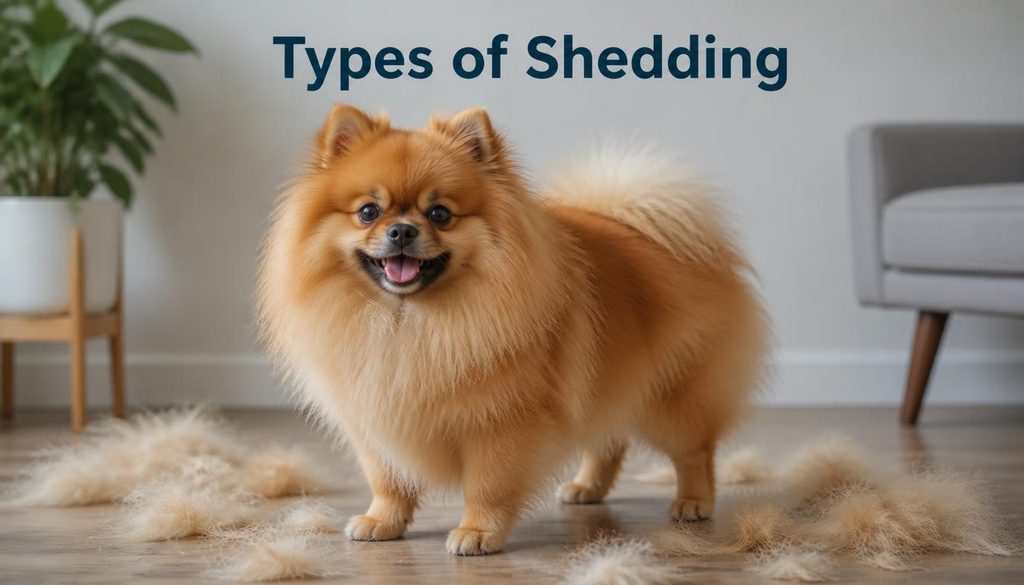
Pomeranian shedding can generally be understood through two main coat changes: puppy coat shedding and adult coat shedding.
Pomeranian puppy shedding happens when the soft puppy coat gradually gives way to the mature double coat. This period can make a young Pom look temporarily thin, uneven, or scruffy. It is often called the “puppy uglies,” and it is a normal part of growing up.
Adult shedding is different. Mature Pomeranians continue to lose hair naturally, with more noticeable shedding often occurring when the undercoat changes. This is sometimes called pomeranian blowing coat, particularly when a large amount of loose undercoat comes out over a relatively short period.
There is no reason to panic when you find loose hair during these normal stages. The important thing is to watch the skin underneath. Even coat loss should not normally leave red skin, sores, severe itching, or clearly bald areas.
When Do Pomeranians Shed?
Pomeranians can lose small amounts of hair throughout the year, but the amount you notice can change significantly. Coat growth and shedding are influenced by the natural hair cycle, daylight, temperature, hormones, age, and living conditions.
If you are wondering how often do pomeranians shed, there is no single schedule that fits every dog. Some Poms appear to shed very little for stretches of time and then release much more loose undercoat during a coat change.
Indoor living can also make the pattern less predictable. Heating, air conditioning, and artificial lighting may influence the normal seasonal cycle. AKC explains that double-coated dogs may shed seasonally or more frequently depending on their environment.
Regular brushing is helpful throughout the year, but paying extra attention during heavier shedding periods can make a noticeable difference.
What Is Pomeranian Shedding Season?
Pomeranian shedding season is a period when a dog releases more of its undercoat as its coat adjusts to changing environmental conditions. For many double-coated dogs, spring and fall are common periods of heavier shedding.
If you ask when do pomeranians shed the most, spring and fall are often the periods owners notice the greatest change. In spring, a dog may lose some of its heavier cold-weather undercoat. In fall, another coat change may prepare the dog for cooler conditions.
However, Pomeranians living indoors may not follow a perfect spring-and-fall schedule. Artificial light and controlled indoor temperatures can make shedding happen in smaller amounts throughout the year.
During heavier shedding, brushing more frequently can remove loose undercoat before it collects in the coat or around your home.
When Does a Pomeranian Puppy Shed Its Puppy Coat?
A Pomeranian puppy commonly begins losing its soft puppy coat at around four to six months of age. The transition happens gradually as the adult coat develops, rather than all at once.
During this stage, your puppy may suddenly look less fluffy. Hair can become shorter around the face and body while longer sections remain around the head, legs, tail, or other areas. The coat can also appear uneven, which can surprise new owners.
This temporary appearance is normal for many puppies. The mature coat becomes increasingly noticeable as the puppy grows, although individual development varies.
Gentle brushing helps remove loose hair and prevent tangles while the puppy coat changes. Avoid aggressive brushing because young skin and developing coats need careful handling.
A normal coat transition should not cause painful skin, persistent itching, inflammation, or clearly abnormal bald patches. If those signs appear, a veterinarian should examine the puppy.
Do Adult Pomeranian Dogs Shed?

Yes, adult Pomeranian dogs continue to shed. Their mature double coat naturally loses old and damaged hairs, while the undercoat may shed more heavily during coat changes.
An adult Pom can therefore look beautifully fluffy while still carrying a surprising amount of loose hair underneath the outer coat. Regular grooming helps remove this hair before it becomes trapped and forms mats.
The amount of shedding differs from dog to dog. Coat density, age, sex, hormones, environment, and grooming habits can all affect how much hair you notice.
Pomeranians have an Arctic-type double coat, with a protective outer layer and a dense insulating undercoat. This coat structure explains why proper grooming is so important.
Why Is My Pomeranian Shedding So Much?
If your Pom suddenly seems to be losing much more hair than usual, the first question is whether it is experiencing a normal coat change. Puppy coat replacement, seasonal shedding, and hormonal changes can all produce noticeable hair loss.
So, why do pomeranians shed so much at certain times? A heavy release of undercoat can simply be part of the normal hair cycle.
Other possible reasons for increased shedding include:
- Stress or a major change in routine
- Poor nutrition or an unbalanced diet
- Fleas and other parasites
- Allergies or skin irritation
- Skin infections
- Hormonal disorders
- Excessive bathing
- Incorrect grooming
- Certain coat-growth disorders
The important difference is the condition of the skin and the pattern of hair loss. Normal shedding should not usually cause painful skin, sores, persistent itching, or clearly bald areas.
If you are asking why is my Pomerian shedding so bad, especially when the change is sudden, severe, or accompanied by skin problems, speak with your veterinarian rather than assuming it is simply seasonal shedding. Pomeranians can be affected by coat disorders such as Alopecia X, which is associated with abnormal hair loss and should be evaluated professionally.
Why Is My Female Pomeranian Shedding So Much?
Female Pomeranians can experience increased shedding because hormonal changes affect the coat. An intact female may shed more noticeably after a heat cycle, and substantial coat loss can occur after pregnancy and nursing.
This can make a female look much less fluffy for a while. Owners may notice large amounts of undercoat coming away during brushing, especially after raising puppies.
Hormonal coat changes are not automatically a sign that something is wrong. However, severe thinning, irritated skin, persistent itching, poor body condition, or other health changes deserve veterinary attention.
A female’s coat can gradually return as the normal hair cycle continues. Good nutrition, gentle grooming, and appropriate veterinary care support healthy coat recovery. Many owners also ask, do pomeranians hair grow back after heavy shedding. In normal coat changes, hair generally grows back as the natural coat cycle continues, although the timing varies between dogs.
How Do You Manage Pomeranian Shedding?
The simplest way to manage shedding is consistent grooming. Because loose undercoat can remain hidden beneath the outer coat, brushing does more than make your Pom look fluffy—it removes dead hair before it becomes tangled.
For most Pomeranians, use a suitable slicker brush or pin brush and work carefully through the coat. A metal comb can then help check whether tangles remain close to the skin.
During heavier shedding, you may need to brush more frequently. AKC recommends tools that can reach the undercoat in double-coated breeds such as Pomeranians.
A simple routine can include:
- Brush the coat regularly and gently.
- Work in small sections instead of rushing.
- Check behind the ears and around the legs.
- Use a comb to find hidden tangles.
- Keep bathing appropriate for your dog’s needs.
- Dry the coat thoroughly after bathing.
- Ask a professional groomer for help with difficult mats.
You may also wonder, do Pomeranians need haircuts? Small sanitary trims or careful grooming may be useful for certain areas, but cutting a double coat very short should not be treated as a simple way to stop shedding. The natural coat provides protection and insulation, and grooming should focus on keeping it healthy.
Do Pomeranians Shed Hair Around the House?
Yes, you will probably find some Pomeranian hair around your home. No grooming routine can remove every loose hair before it leaves the coat.
The amount you notice can increase during puppy coat changes, seasonal shedding, and hormonal coat changes. Loose undercoat may appear on bedding, carpets, clothing, sofas, and other places where your dog spends time.
A regular grooming routine can significantly reduce the amount of loose hair floating around your living space. Brushing outside, washing bedding, vacuuming regularly, and using a lint roller on furniture can also help.
Remember that finding some hair is normal. What matters is whether the dog’s coat and skin remain healthy.
Are Pomeranians Hypoallergenic?
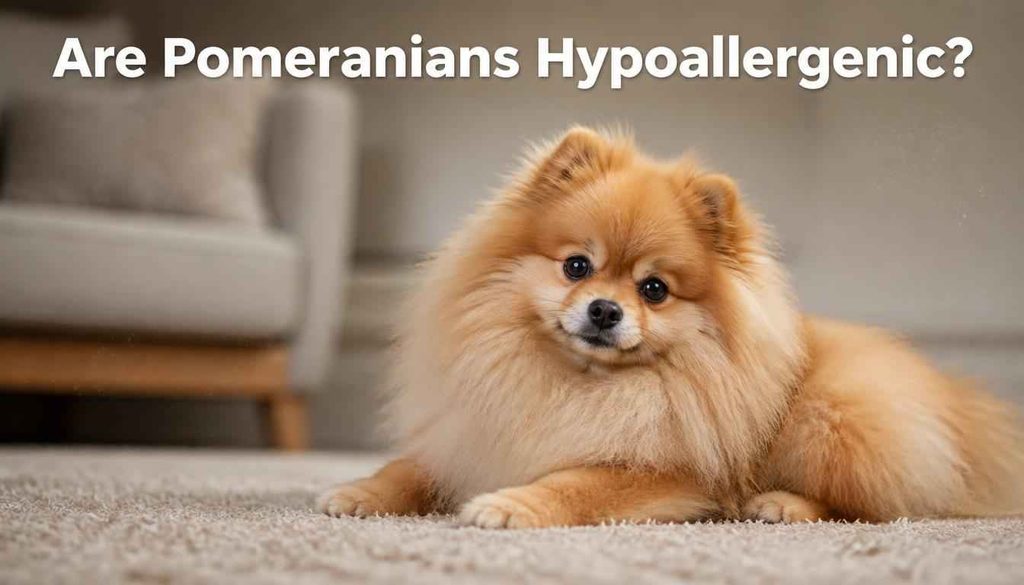
No. Pomeranians are not considered a hypoallergenic dog breed. Dog allergies are usually associated with proteins found in dander, saliva, and other materials rather than simply the visible hair itself. Because Pomeranians have a thick coat that can carry dander and other particles, sensitive people may still experience allergy symptoms.
A dog producing less visible hair does not automatically mean that person will have no reaction. Individual sensitivity also varies. If you are comparing breeds based on allergy concerns, learning whether Wiener dogs are hypoallergenic can provide another useful point of comparison. Wiener dogs are hypoallergenic.
If allergies are a concern, spending time around adult Pomeranians before bringing one home can give you a better idea of how your body reacts. No dog can be guaranteed to be completely allergy-free.
Keeping The Allergies At Bay
If you already share your home with a Pomeranian and notice allergy symptoms, reducing loose hair and dander around living spaces may help.
Start with regular grooming. Keeping the coat brushed means more loose hair is captured by the brush rather than being left around the house. Avoid over-bathing, however, because inappropriate bathing can contribute to dry or irritated skin.
You can also:
- Wash your dog’s bedding regularly.
- Vacuum carpets and furniture often.
- Keep the dog away from allergy-sensitive bedrooms.
- Wash your hands after grooming or close contact.
- Keep commonly used surfaces clean.
- Groom outdoors when practical.
These steps cannot make a Pomeranian hypoallergenic, but they can help reduce the amount of loose hair and dander in shared areas.
FAQs
Do Poms Shed?
Yes. Poms shed naturally because they have a dense double coat. Shedding can be more noticeable when the puppy coat changes or when the adult undercoat goes through a seasonal coat change.
Do Pomchis shed?
Yes, Pomchis can shed, but the amount varies because they are a Pomeranian and Chihuahua mix and may inherit different coat characteristics from either parent.
How Bad Do Pomeranians Shed?
Most Pomeranians have manageable shedding rather than nonstop heavy shedding. Their dense undercoat can hold loose hair until grooming removes it, which means the amount you see around the house can vary considerably.
Do Pomeranian Dogs Shed Hair Every Day?
Pomeranians can release some loose hairs every day, but the amount is not necessarily large. Heavier periods can happen when the coat is changing or the undercoat is being released.
How Much Does a Pomeranian Shed?
There is no fixed amount because shedding varies between individual dogs. Age, coat density, season, hormones, environment, and grooming can all affect how much hair an owner notices.
When Do Pomeranians Shed the Most?
Many Pomeranians show more noticeable shedding during spring and fall coat changes. Puppies can also have a major shedding period while transitioning from their puppy coat to their adult coat.
Why Is My Pomeranian Shedding Hair in Clumps?
Loose undercoat can sometimes come out in noticeable tufts during a heavy shedding period. However, clumps accompanied by bald patches, redness, itching, sores, or irritated skin should be checked by a veterinarian.
Does Shaving a Pomeranian Stop Shedding?
No. Shaving does not stop the natural hair-growth cycle. Pomeranians have a double coat, and professional grooming guidance generally recommends maintaining the coat rather than shaving it simply to control shedding.
If a coat becomes severely matted or a medical procedure requires clipping, a veterinarian or experienced professional groomer can advise on the safest approach.
The bottom line: do pomeranian dogs shed
Pomeranians do shed, but their shedding is usually manageable when their thick double coat receives consistent care. Puppy coat changes, seasonal shedding, and hormonal changes can all make hair loss more noticeable for a while.
The best approach is simple: brush regularly, watch the skin beneath the coat, keep grooming gentle, and seek veterinary advice when shedding becomes sudden or abnormal.
And if you are still wondering do pomeranians shed, the answer is definitely yes—but with a good grooming routine, their beautiful fluffy coat can remain healthy, comfortable, and enjoyable to live with.
Sources and Expert References
This article follows established veterinary and canine-care guidance, including information from the American Kennel Club and VCA Animal Hospitals. AKC identifies the Pomeranian as a double-coated breed and provides grooming guidance for removing loose undercoat, while VCA notes that coat changes, grooming, and skin condition can help distinguish normal shedding from potential health concerns.



Pingback: What Is the Most Dangerous Dog? Bite Force & Breed Risks