

The best way to teach a dog not to bite is to redirect biting to a toy and reward calm, gentle behavior.If your dog bites, stop play, calmly remove attention, and offer an appropriate chew toy instead. Avoid hitting or punishing your dog, as positive reinforcement and consistent training help build safer behavior and trust.
Puppy biting can be frustrating, but with the right training, you can turn those sharp little teeth into calm, gentle habits your dog keeps.
HOW LONG DOES THE PUPPY BITING PHASE LAST?
Puppy biting is usually temporary, but there is no single age when every puppy suddenly stops. Teething, excitement, play, tiredness, breed, temperament, and learning history can all affect how long the behavior continues.
Many puppies bite most during their early months because they are exploring with their mouths and learning how much pressure is appropriate. As they mature and gain better self-control, the behavior should gradually become less frequent.
The goal is not simply to wait for the phase to end. Early training helps your puppy understand that human skin, hands, feet, and clothing are not appropriate chew targets.
If biting continues strongly as your dog gets older, becomes harder to manage, or appears connected to fear or aggression, take it seriously rather than assuming the dog will simply grow out of it.
WHY DO PUPPIES BITE AND CHEW ON THINGS?

Puppies use their mouths to explore their surroundings, interact during play, investigate new objects, and relieve discomfort during teething. Excitement can also make a puppy lose control and grab whatever is moving nearby.
Common reasons include:
- Teething and sore gums
- Excitement during play
- Being overtired
- Hunger
- Frustration
- Boredom or lack of appropriate enrichment
- Moving hands, feet, or clothing
- Wanting attention
- Difficulty controlling excitement
Understanding the reason makes training much easier. A tired puppy may need sleep, while a bored puppy may need enrichment. A puppy chasing your ankles may need a calmer way to interact.
This is why how to stop puppy biting is not just about saying “no.” It is about identifying the trigger, preventing unnecessary rehearsal, and rewarding a better choice.
Understanding Bite Inhibition
Bite inhibition means learning to control the force of a bite. A puppy may still put its mouth on an object or occasionally make contact with skin, but the important lesson is that teeth should be gentle.
Dogs can learn this control through normal social experiences and carefully managed interactions. Your job is to make the rule clear: human skin is never a toy.
When your puppy uses a soft mouth, immediately reinforce that choice with praise, food, play, or another reward your puppy values.
The long-term goal is a dog that can become excited without using painful pressure. This is an important safety skill, particularly because accidental contact can happen even with a well-trained adult dog.
TEACHING A PUPPY BITE INHIBITION
Good puppy biting training should be calm, predictable, and consistent. Everyone in the household should follow the same basic rules.
Reward the behavior you want rather than trying to frighten the puppy out of biting. The American Veterinary Society of Animal Behavior recommends reward-based training for canine training and behavior modification and advises against aversive methods based on pain, force, or fear.
That means your puppy should learn:
Skin is gentle. Toys are for biting. Calm behavior keeps the game going. Rough biting makes the interaction stop.
TEACH YOUR PUPPY TO BE GENTLE
Start when your puppy is calm. Offer a toy and encourage your puppy to interact with it. When the puppy plays gently, give quiet praise or a small reward.
If teeth touch your skin, avoid turning the moment into a wrestling match. Keep your movements calm, pause the interaction, and redirect to an appropriate toy.
Consistency matters more than intensity. Your puppy does not need a frightening correction to understand the lesson.
Reward-based learning gives your dog a clear answer to an important question: “What should I do instead?”
TEACH YOUR PUPPY THAT BITING MEANS PLAYTIME IS OVER
If biting becomes too rough, calmly stop the game. Avoid chasing your puppy, yelling, or pulling your hands around dramatically.
Pause for a moment and remove the attention that was keeping the interaction exciting. Once your puppy settles, you can offer an appropriate activity again.
This creates a simple pattern:
Gentle play → fun continues.
Hard biting → fun pauses.
Calm behavior → fun returns.
That clear pattern can make learning easier without creating fear.
GIVE YOUR PUPPY AN ALTERNATIVE TO YOUR SKIN
Keep suitable chew toys within easy reach. When your puppy begins targeting your hands, feet, or clothing, calmly offer a toy instead.
This is especially useful when you can predict when biting usually happens. If your puppy becomes mouthy during evening play, have the toy ready before the behavior starts.
For more training-related dog behavior topics, you can also explore Can Drug Dogs Smell Edibles? as part of your wider understanding of canine behavior and training.
Avoid encouraging your puppy to chase hands or bite sleeves as a game. If you repeatedly make human skin part of play, your puppy may naturally see it as an acceptable target.
EXERCISE YOUR PUPPY
Exercise can help, but simply trying to exhaust a puppy is not the whole solution. Puppies also need sleep, mental enrichment, training, exploration, and calm periods.
Short play sessions, basic training, food puzzles, sniffing activities, and age-appropriate walks can help provide healthy outlets.
Too much stimulation can actually make some puppies more frantic. Watch your puppy’s body language and give them time to settle when excitement rises.
HOW TO AVOID PROVOKING YOUR PUPPY
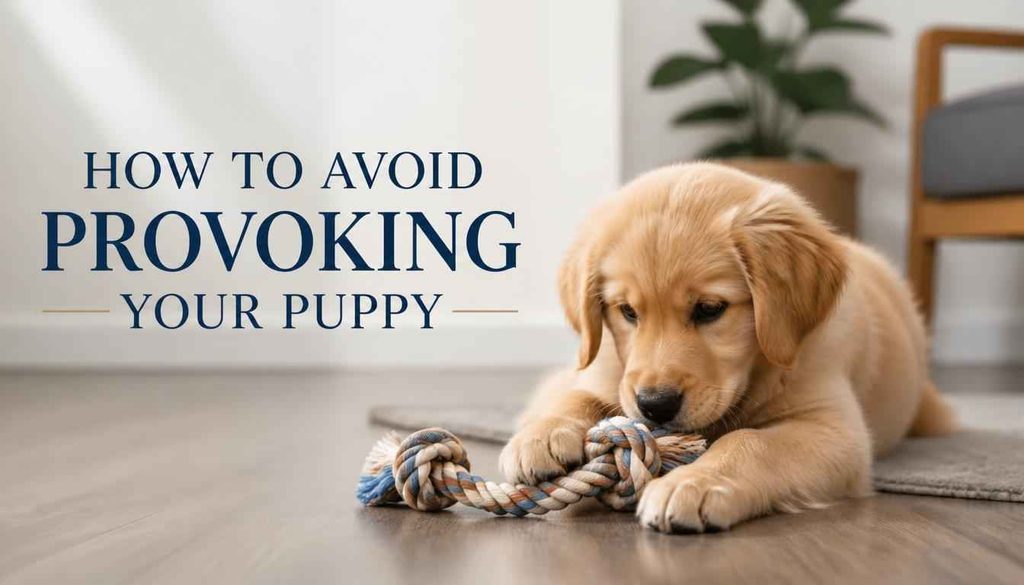
Your movements can influence how your puppy responds. Fast hand movements, pulling clothing away, waving feet, rough wrestling, and chasing games can encourage grabbing and chasing.
Instead:
- Keep movements calm around a mouthy puppy.
- Do not wave hands near the puppy’s face.
- Avoid playing roughly with your hands.
- Keep suitable toys nearby.
- Give your puppy regular rest.
- Stop interactions when excitement becomes excessive.
- Reward calm behavior whenever you see it.
If your puppy is repeatedly targeting ankles, move calmly and redirect the behavior rather than turning your legs into a moving game. This approach can help stop puppy biting ankles without adding unnecessary excitement.
Common Mistakes That Make Puppy Biting Worse
Some reactions accidentally make biting more rewarding.
- Pulling your hand away quickly: Fast movement can encourage chasing and grabbing.
- Yelling: A loud reaction may increase excitement or fear instead of teaching the desired behavior.
- Playing with hands: This makes human skin part of the game.
- Inconsistent rules: If one person allows biting and another immediately ends play, the puppy receives mixed messages.
- Too much freedom: A puppy that repeatedly practices biting gets more opportunities to rehearse it.
- Skipping rest: Overtired puppies can become much more difficult to settle.
- Using physical punishment: Hitting, grabbing, pinning, or frightening a dog can damage trust and may increase fear-related behavior. Veterinary behavior guidance strongly favors reward-based approaches instead.
My Complete Puppy Biting Plan
A simple daily plan makes training easier because your puppy gets repeated opportunities to succeed.
1. Create a Daily Routine That Helps Your Puppy Succeed
A predictable routine can reduce unnecessary excitement and give your puppy appropriate outlets throughout the day.
Frequent naps
Puppies need substantial sleep. Build quiet rest into the day instead of expecting your puppy to remain active for long periods.
Three to five short training sessions
Keep training short and positive. A few focused minutes can be more useful than one long session where your puppy becomes frustrated.
Practice simple behaviors such as sitting, coming when called, looking at you, or releasing a toy.
Age appropriate chew objects
Provide safe, puppy-appropriate chew options. Rotate them so they remain interesting, and always choose products suitable for your dog’s size, age, and chewing style.
The aim is to make appropriate chewing easy and rewarding.
Gated community time and crate time
Use safe barriers, pens, or a properly introduced crate to manage the environment when you cannot actively supervise.
A crate should be a comfortable resting space, not a punishment area. AVSAB’s puppy guidance supports safe confinement areas and regular opportunities for puppies to rest independently.
Short bursts of play
Several short play periods can work better than allowing excitement to build for too long. Finish while your puppy can still respond calmly.
2. Use a Leash and Long Toys for Support
Management can make training much easier by reducing opportunities for unwanted behavior.
Lightweight leash
During supervised training, a lightweight leash can help you calmly guide your puppy away from an exciting situation without grabbing at their body.
Never use the leash to jerk, punish, or frighten your puppy.
Long tug toys
Long toys create more space between your hands and your puppy’s mouth. They also give your dog a clear object to grab.
Choose a durable toy appropriate for your puppy and supervise play.
3. Teach Bite Inhibition With Three Simple Games
Games can teach your puppy that listening, releasing, and controlling excitement are rewarding.
Search Game
Toss a small treat nearby and encourage your puppy to find it. This gives them something constructive to focus on and can help create a short reset during exciting moments.
Collar Grab Game
When your puppy is calm, gently touch or hold the collar and immediately provide a reward. Repeat this in a relaxed way so collar contact becomes familiar and positive.
Never use collar grabs as a punishment.
Intentional Tug
Use a long toy and let your puppy tug appropriately. Keep your hands away from the gripping area.
Occasionally freeze the toy. When your puppy releases, reward the release and restart the game.
This can teach an important lesson: letting go does not always mean the fun is over.
4. What To Do the Moment Your Puppy Bites
Having a consistent response helps you avoid reacting emotionally.
Step 1: Freeze
Stop moving the bitten hand, foot, or clothing as much as safely possible. Avoid turning the moment into a chase.
Step 2: Pause
Give your puppy a brief opportunity to release. Stay calm and avoid adding excitement.
Step 3: Use a soft vocal cue if needed
If a gentle verbal cue helps interrupt the interaction, keep your voice calm. The goal is communication, not intimidation.
Step 4: Praise when the puppy lets go
The moment your puppy releases and becomes calmer, reward that choice. Your dog needs to understand which behavior earns your attention.
Step 5: Shift the puppy into a better activity
Offer an appropriate chew, toy, simple training exercise, or quiet break.
This is the practical answer to how to get puppy to stop biting: do not focus only on stopping the unwanted behavior; immediately teach a useful alternative.
5. Track Your Progress
Write down when biting happens, what happened immediately before it, how intense it was, and what helped.
You may notice patterns such as:
- More biting when your puppy is tired
- More biting during exciting play
- Less biting after rest
- Softer mouth pressure after consistent training
- Better responses when a toy is available
Tracking these patterns helps you make better decisions rather than guessing.
A Quick Safety Note
Normal puppy mouthing is different from serious aggression. If your dog becomes stiff, guards food or objects, repeatedly attempts to injure someone, or shows intense fear or aggression, seek professional guidance.
If you’re learning how to handle aggressive puppy biting, do not rely on punishment or try to force the dog into submission. Start with safety and speak with your veterinarian or a qualified behavior professional. AVSAB and the RSPCA both support humane, reward-based approaches and professional assessment for serious behavior concerns.
Decoding dog bite warning signs
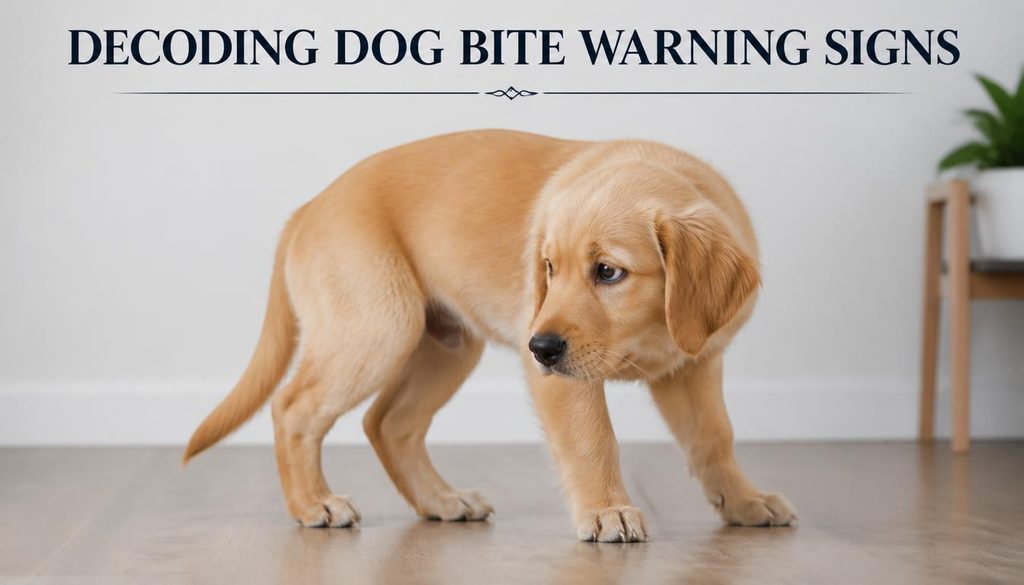
Dogs often communicate discomfort before escalating. Signs can include turning away, lip licking, yawning, lowering the body, avoiding eye contact, stiffening, showing teeth, growling, or attempting to move away.
Do not punish a dog for growling. A growl is valuable information that the dog is uncomfortable. Punishing warning signals may suppress the communication without changing the underlying emotion.
When you notice warning signs, stop the interaction and give the dog space. If the behavior is new or worsening, a veterinary assessment can help identify possible medical or behavioral causes.
Why dogs bite
Adult dogs may bite for very different reasons than playful puppies. Fear, pain, guarding, frustration, stress, previous experiences, and learned behavior can all contribute.
A dog that feels trapped may bite to create distance. Another dog may react because repeated stressful events have pushed its arousal too high.
That is why how to train a dog not to bite should begin with understanding the cause rather than assuming every bite has the same solution.
Never ignore a significant change in behavior. Pain or illness can affect how a dog responds to people and other animals, so veterinary assessment is especially important when aggressive behavior appears suddenly.
For another practical dog-training topic, see How to Catch a Fake Service Dog.
Managing a dog with behavior challenges
Management is not failure. It is a smart way to prevent your dog from repeatedly practicing dangerous behavior while training takes place.
Use doors, baby gates, pens, leashes, and safe separation when appropriate. Supervise interactions with children and visitors, and avoid situations that repeatedly trigger the dog.
A basket muzzle may also be considered for some dogs when introduced correctly and used under professional guidance. It should be a safety tool, never a punishment.
If a dog has already bitten someone or is showing serious aggression, do not wait for another incident before seeking help. A veterinarian can help rule out medical contributors and guide you toward an appropriate behavior professional.
Working with your dog
Successful behavior change is built through trust, repetition, and realistic expectations.
Start training in a calm environment where your dog can focus. Reward simple behaviors generously and gradually increase distractions as your dog succeeds.
Keep sessions short enough that your dog can remain engaged. If your dog becomes frightened, overwhelmed, or increasingly reactive, make the situation easier instead of pushing forward.
Reward-based training is supported by veterinary behavior organizations because it teaches desired behaviors without relying on fear or pain.
Socialization also matters. Puppies benefit from safe, positive exposure to different people, environments, handling experiences, and appropriate animals. These experiences should be gradual and enjoyable rather than overwhelming.
If you are interested in broader service-dog training information, you can also read How to Make Your Dog a Service Dog.
FAQs
How to Stop Dog Nipping?
Redirect nipping to a chew toy, stop attention when teeth touch skin, and immediately reward calm behavior. Consistency helps your dog learn gentler interactions.
How to Train a Dog Not to Bite?
Use positive reinforcement, consistent redirection, and short training sessions. Stop play when biting occurs, offer an appropriate toy, and reward your dog for calm behavior.
How to Get a Dog to Release a Bite?
Teach a reliable “drop it” or “release” cue using treats during calm practice. Never pull forcefully, as resistance can increase gripping or injury.
At What Age Do Dogs Stop Biting?
Puppy biting usually decreases as teething ends and bite inhibition improves, often by several months of age. Consistent training and appropriate chewing outlets can speed progress.
What Is the Hardest Command to Teach a Dog?
Commands requiring impulse control, such as “stay,” “leave it,” or reliable recall, can be challenging because distractions compete with your dog’s natural instincts and attention.
What to Do With a Dog That Bites Their Owner?
Separate safely, avoid punishment, and identify what triggers the biting. For repeated or serious bites, consult a qualified veterinary behaviorist or experienced reward-based trainer.
How to Train an Aggressive Dog That Bites?
Prioritize safety and avoid confrontational punishment. Manage triggers, reward calm responses, and work with a qualified behavior professional to create a personalized behavior-modification plan.
Can an Aggressive Dog Ever Be Trusted?
Some aggressive dogs can improve substantially with professional behavior modification, but risk may remain. Trust should depend on consistent behavior, careful management, and expert assessment.
My Dog Keeps Biting Me. What Should I Do?
Stop interaction, calmly create distance, and avoid wrestling or punishment. Identify when biting happens, redirect appropriately, and seek professional help if bites are frequent or severe.
How to Stop My Dog From Biting Me Aggressively
Avoid physical punishment, create safe distance, and identify the trigger. Reward calm behavior and seek veterinary or professional behavior guidance when biting is aggressive or unpredictable.
How to Stop a Puppy From Biting Your Feet and Hands
Keep hands and feet still, end play briefly, and redirect your puppy to a suitable toy. Reward calm play and repeat consistently to teach appropriate behavior.
How to Train an Adult Dog Not to Bite
Use reward-based training to reinforce calm behavior, teach alternative cues, and manage situations that trigger biting. Professional guidance is recommended when biting is serious or unpredictable.
My Puppy Won’t Stop Biting Me. I’ve Tried Everything
Use consistent redirection, brief removal of attention, appropriate chew toys, and rewards for calm behavior. If biting remains intense, consult a qualified positive-reinforcement trainer.
How to Stop a Dog From Biting Strangers
Prevent access to situations that trigger biting, keep your dog safely managed, and reward calm behavior around people. Professional behavior support may be necessary for serious aggression.
What to Do With a Dog That Bites Their Owner
Immediately prioritize safety by calmly separating yourself from the dog. Avoid punishment, identify the trigger, and contact a veterinarian or qualified behavior professional for guidance.
How to Stop My Dog From Biting When Excited
Teach your dog to sit, settle, or target a toy before excitement escalates. Reward calm behavior and briefly pause interaction whenever teeth touch skin.
Dog Bites My Feet Aggressively
Stop moving if possible, create distance safely, and avoid encouraging chase behavior. Manage triggers, redirect to appropriate activities, and seek professional help for aggressive or repeated biting.
HOW TO KEEP YOUR DOG FROM BITING IN THE FUTURE
Preventing future biting starts with consistency. Continue rewarding calm behavior, provide appropriate chew toys, manage situations that trigger excitement or fear, and avoid games that encourage biting hands or feet.
Keep training sessions short and positive, reinforce useful cues such as “leave it” and “drop it,” and make sure everyone in the household follows the same rules. Regular exercise, mental enrichment, proper rest, and safe socialization can also help reduce unwanted behaviors.
If biting becomes sudden, severe, or unpredictable, speak with a veterinarian or qualified behavior professional rather than relying on punishment. With consistent training and good management, many dogs can develop safer, more appropriate ways to interact.