

No, Wiener Dogs, also called Dachshunds, are not hypoallergenic. If you are wondering are dachshunds hypoallergenic, the simple answer is no because they produce allergens through dander, saliva, and other proteins. Dachshunds also shed to some degree, although the amount can vary between their three coat types.
Thinking about getting a Dachshund? Let’s look at the biggest pros and cons so you can decide if this lovable breed is the right fit for your home.
What Does “Hypoallergenic Dog” Really Mean?
“Hypoallergenic” does not mean a dog is completely free of allergens. It generally describes dogs that may produce or spread fewer allergens, often because they have low-shedding coats. However, no dog breed is guaranteed to be completely allergy-free.
This is important because many people think allergies come mainly from dog hair. In reality, proteins found in a dog’s dander, saliva, and urine can trigger allergic reactions. Hair can collect and carry these allergens around the home.
Therefore, even a dog with very little shedding can still cause symptoms. A person may react differently to individual dogs, so breed labels alone cannot predict how severe an allergy reaction will be.
What Causes Pet Allergies?

Pet allergies are usually caused by proteins found in a dog’s dander, saliva, and urine rather than the hair itself. Dander consists of tiny flakes of dead skin that can become attached to hair, furniture, bedding, clothing, and other surfaces.
When a dog moves, scratches, grooms itself, or sheds, these particles can spread through the environment. Symptoms may include sneezing, a runny or stuffy nose, itchy or watery eyes, coughing, skin irritation, or breathing problems in sensitive people.
This explains why dachshund allergies are not simply a matter of how much hair you see on the floor. A Dachshund can leave relatively little visible hair but still produce proteins capable of triggering an allergic response.
So, Are Dachshunds Hypoallergenic Based on How Much They Shed?
No. Dachshunds are not considered a hypoallergenic breed. The AKC describes Dachshunds as moderate shedders, with three coat types: smooth, longhaired, and wirehaired.
If you ask do dachshunds shed, the answer is yes. Their shedding is generally manageable, but it does not make them allergy-safe. Coat type can affect how much loose hair you notice and how much grooming is required.
Smooth-Haired Dachshunds
Smooth-Haired Dachshunds have short, close coats and are usually the easiest of the three varieties to groom. They still shed, however, so loose hair and dander can collect around the home.
Their short coat may look easy to manage, but it should not be confused with a non-shedding coat. Regular brushing can help remove loose hair before it spreads throughout your living space.
Long-Haired Dachshunds
Long-Haired Dachshunds have a longer, softer coat that generally requires more grooming than the smooth variety. Their longer hair can make loose fur more noticeable on furniture, clothing, and bedding.
People often search for long haired dachshund hypoallergenic information because the coat looks different from a typical short-haired Dachshund. However, having longer hair does not make this variety hypoallergenic.
Wire-Haired Dachshunds
Wire-Haired Dachshunds have a dense, rough coat and distinctive facial furnishings. Their coat has different grooming needs from the smooth and longhaired varieties.
They are not hypoallergenic either. While coat characteristics can influence shedding and how loose hair is managed, they do not remove the proteins that can cause allergic reactions.
How Dachshund Coat Types Affect Allergies
The three Dachshund coat types can affect grooming, visible shedding, and how much loose hair accumulates in the home. They do not, however, create a truly allergy-free Dachshund.
Smooth Haired Dachshund
The smooth coat is short and relatively simple to maintain. Regular brushing can help collect loose hairs before they end up on carpets, sofas, and clothing.
Because the coat is short, some owners may assume it is more allergy-friendly. But short hair does not mean fewer allergy-causing proteins. If you are sensitive to dog allergens, you may still develop symptoms around a smooth Dachshund.
Long Haired Dachshund
Longhaired Dachshunds need more regular coat care to keep their hair clean and free from tangles. Brushing can help remove loose hair and reduce the amount of fur that is carried around your home.
The dachshund shedding pattern may also seem more obvious with a longer coat because loose hairs are easier to see on furniture and fabric. Still, visible hair is only one part of the allergy picture.
Wire Haired Dachshund
Wirehaired Dachshunds have a dense, rough coat that needs appropriate grooming to stay healthy. Their coat type is different from the other two varieties, but it does not make them hypoallergenic.
For an allergy sufferer, the most important point is that all three varieties can produce allergens. Your individual reaction matters more than simply choosing one coat type.
What If You Have Allergies But Love Dachshunds?
If you have allergies but really want a Dachshund, you do not necessarily have to give up on the idea immediately. Your reaction level, the individual dog, and your ability to control allergens at home all matter.
Before adopting, spend time around adult Dachshunds rather than relying only on the breed’s appearance or coat. If possible, spend several hours in an indoor environment with the dog because symptoms may become more noticeable with prolonged exposure.
People with significant allergy symptoms should consider allergy testing and discuss their plans with an allergist. This is especially important if previous exposure to dogs has caused breathing difficulties.
A dachshund allergy friendly home is possible for some owners when exposure is carefully managed, but the breed itself should not be described as allergy-free.
How to Manage Allergies if You Want a Dachshund
Good household habits can help reduce the amount of allergen that accumulates around your home. They cannot guarantee that symptoms will disappear, but they may make living with a dog more manageable for some people.
Regular Grooming & Weekly Bathing
Regular grooming helps remove loose hair, dirt, and debris from your Dachshund’s coat. Brushing should be appropriate for the dog’s coat type and done consistently.
The heading mentions weekly bathing, but bathing frequency should not automatically be the same for every Dachshund. Too much bathing can irritate or dry the skin, while the right schedule depends on the individual dog’s coat, skin, lifestyle, and veterinary advice.
Whenever possible, grooming and bathing can be handled by someone who does not experience dog allergies.
Use HEPA Filters & Clean Often
Frequent cleaning can reduce the amount of loose hair and allergen-containing material around the home. Pay special attention to carpets, sofas, bedding, floors, and other places where your dog spends time.
A HEPA-filter vacuum or air-cleaning system may help capture small airborne particles. Washing your dog’s bedding regularly can also help limit the buildup of allergens.
Create Pet-Free Zones
Creating certain dog-free areas can give allergy sufferers a place with less exposure. The bedroom is often a practical area to keep free from the dog.
Keeping a Dachshund away from pillows, mattresses, and upholstered furniture can also reduce the amount of allergen that becomes embedded in frequently used fabrics. AKC similarly recommends strategies such as keeping pets off beds and reducing surfaces that trap dander.
Talk to an Allergist About Treatment
If you regularly experience symptoms around dogs, an allergist can help determine what is triggering your reaction. Allergy testing can be more useful than guessing whether your Dachshund is the cause.
Treatment options depend on the individual person and may include environmental controls, medications, or other allergy-management approaches recommended by a medical professional.
Monitor Health Issues in Your Dog
Keeping your Dachshund healthy is also part of responsible ownership. Skin problems, excessive scratching, or other conditions can affect the amount of skin debris and grooming-related material around your home.
Regular veterinary care, suitable nutrition, parasite prevention, and proper coat care can support healthy skin and fur. If your dog develops persistent itching, hair loss, redness, or unusual skin changes, ask your veterinarian for advice.
Other Small Breeds for Allergy Sufferers
If allergies are a major concern, you may want to compare Dachshunds with breeds commonly considered less likely to spread allergens through heavy shedding. Examples include the Poodle, Bichon Frise, Maltese, and Schnauzer.
However, these dogs are not completely hypoallergenic either. AKC notes that no purebred, mixed-breed, or designer dog can guarantee an allergy-free experience.
For example, if you are comparing small breeds, you may also want to learn more about do Havanese dogs shed before deciding which breed fits your home.
Which dog breeds are good choices for people with allergies?
Some breeds may be better choices for allergy sufferers because they have predictable, low-shedding coats. AKC commonly highlights breeds such as Poodles, Bichon Frises, Maltese, Schnauzers, Portuguese Water Dogs, and several other low-shedding varieties.
Still, there is no perfect breed for every allergy sufferer. Spending time with an individual dog before adoption can help you understand your personal reaction.
Your lifestyle should matter too. A low-shedding breed may require significant grooming, exercise, or training, so choosing a dog should involve more than allergy concerns alone.
If you are researching other breeds, you can also explore what dogs have webbed feet for a broader look at interesting canine traits.
Where does the Dachshund originally come from?
The Dachshund originated in Germany and was developed as a hunting dog. Its name roughly translates to “badger dog,” reflecting its historical purpose of going after badgers.
The breed’s long body and short legs were useful for working close to the ground and entering burrows. Today, Dachshunds are popular companion dogs as well as hunting dogs.
They are available in standard and miniature sizes and in three coat varieties: smooth, longhaired, and wirehaired.
The Dachshund’s personality
Dachshunds are known for having big personalities despite their small size. They can be intelligent, courageous, curious, affectionate, alert, and independent.
Their independence can sometimes look like stubbornness during training. Positive, reward-based training and consistency generally work better than harsh methods.
They also have a strong prey drive because of their hunting background. This means they may become very interested in small animals, interesting smells, or movement around them.
Their lively personality is one reason they remain such popular companion dogs. If you can manage their exercise, training, grooming, and potential allergy concerns, they can be loving and entertaining family companions.
Facts about the Dachshund
Dachshunds are one of the easiest breeds to recognize because of their long body and short legs. They come in two recognized sizes and three coat types, with many different colors and patterns.
Here are some useful facts:
- Dachshunds originated in Germany.
- They belong to the Hound Group.
- They were developed for hunting badgers and other small animals.
- They come in standard and miniature sizes.
- They have smooth, longhaired, or wirehaired coats.
- They are moderate shedders.
- They are not considered hypoallergenic.
- They can be intelligent but independent.
- They often have a strong prey drive.
Because of their popularity, the breed is also commonly called a “Wiener Dog” or “sausage dog.”
Coat types of the Dachshund
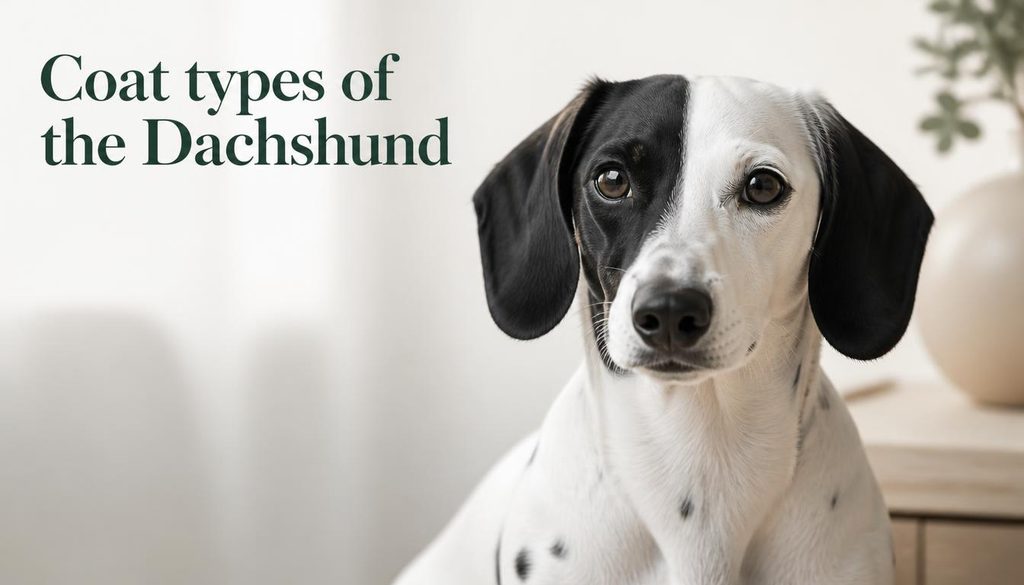
The Dachshund’s three coat types are smooth, longhaired, and wirehaired. These varieties have different textures and grooming requirements, but none is genuinely hypoallergenic.
Shedding and dander
The dachshund shedding level is generally considered moderate. Shedding can look different depending on the coat, but all Dachshunds can release loose hair and dander.
Dachshund dander is particularly important for allergy sufferers because allergens can be carried on tiny skin particles and transferred to surfaces. Dog hair can also collect and spread these particles around the home.
This is why do dachshunds cause allergies is not answered simply by looking at their shedding. The proteins that trigger allergies can come from more than loose hair.
Care
Smooth Dachshunds usually need the simplest coat care, while longhaired and wirehaired varieties generally require more grooming. Regular brushing can help remove loose hair and keep the coat clean.
If you are considering a mixed breed, remember that a hypoallergenic dachshund mix cannot be guaranteed to be allergy-free. A mixed breed may inherit different coat characteristics, and no mix can eliminate dog allergens completely.
Tips to minimise Dachshund allergies in the home
If you decide to live with a Dachshund despite mild allergies, consistency is more useful than relying on one solution. Brush your dog regularly, clean floors and furniture often, wash bedding, and consider keeping the bedroom dog-free.
Use washable covers on frequently used furniture and clean areas where your Dachshund spends most of its time. Good ventilation and suitable air filtration may also help reduce airborne particles.
It is also useful to wash your hands after prolonged contact with your dog and avoid allowing the dog to lick your face if this tends to trigger symptoms.
If you are researching other small companion breeds, you can also see how big Cavapoo dogs get and compare size and lifestyle needs before choosing a breed.
Finally, remember that allergy management is personal. What works for one person may not work for another. If symptoms are persistent or severe, professional medical advice is the safest approach.
FAQs
Are Dachshunds suitable for people with allergies?
Dachshunds are not hypoallergenic and can produce dander, saliva, and other allergens. People with mild allergies may manage them with regular grooming and cleaning, but sensitive people should consult an allergist.
Are Dachshunds easy to train?
Dachshunds are intelligent and can learn quickly, but they can also be independent and stubborn. Positive reinforcement, short training sessions, and consistency usually work best.
What is the best allergy-friendly dog?
No dog is completely allergy-free, but some low-shedding breeds may be easier for allergy sufferers. Poodles, Bichon Frises, Maltese, and Schnauzers are commonly considered better choices.
Do Dachshunds shed a lot?
Dachshunds are generally moderate shedders, although shedding varies between smooth, longhaired, and wirehaired coats. Regular brushing can help control loose hair around the home.
Are Dachshunds high maintenance?
Dachshunds are not usually considered extremely high maintenance, but they need regular grooming, exercise, training, and routine care. Their long backs also require careful handling to help reduce injury risks.
What are the pros and cons of Dachshunds?
Pros:
- Affectionate and loyal
- Playful and energetic
- Intelligent and curious
- Small and easy to carry
- Good watchdogs
- Can form strong bonds with their owners
Cons:
- Can be stubborn during training
- May bark frequently
- Strong prey drive
- Can shed moderately
- Need careful handling because of their long backs
- May become bored without enough exercise and mental stimulation
Are miniature Dachshunds hypoallergenic?
No, miniature Dachshunds are not hypoallergenic. They can shed hair and produce dander, saliva, and other proteins that may trigger allergies in sensitive people.
Is a mini Dachshund hypoallergenic?
No, a mini Dachshund is not hypoallergenic. Although its small size may mean less overall hair than some larger dogs, it can still produce allergens that cause symptoms.
Is a miniature Dachshund hypoallergenic?
No, a miniature Dachshund is not considered hypoallergenic. Smooth, longhaired, and wirehaired varieties can all produce allergens, so people with dog allergies should take precautions.
What allergy sufferers should remember
Wiener Dogs are adorable, intelligent, courageous, and affectionate companions, but they are not hypoallergenic. They shed moderately and can produce allergens through dander, saliva, and other proteins, so even a Dachshund with a manageable coat may trigger symptoms in sensitive people.
If you already love the breed, there are practical ways to reduce allergen exposure. Regular grooming, frequent cleaning, pet-free areas, good household hygiene, and professional allergy advice can make dog ownership more manageable for some people.
The most important point is to look beyond the amount of hair you see. Do Wiener Dogs shed? Yes, but visible shedding is only one part of the allergy picture. If your allergies are strong, speak with an allergist before bringing a Dachshund into your home.