

Yes, dogs can get hiccups, and they are usually harmless and short-lived. If you’re wondering can dogs have hiccups, the answer is yes, and most episodes stop on their own. Dog hiccups happen when the diaphragm suddenly contracts, often after eating, drinking, excitement, or swallowing air.
What Are Hiccups?
Hiccups are sudden, involuntary contractions of the diaphragm, the muscle that helps move air into and out of the lungs. When the diaphragm spasms, the opening near the vocal cords closes quickly, creating the familiar “hic” sound.
The same basic process can happen in dogs as it does in people. A dog may make a tiny jerking movement with its chest or abdomen each time the diaphragm contracts. These movements can look surprising, especially when they happen for the first time.
The exact reason mammals hiccup is still not completely understood. Researchers have proposed several explanations, including the possibility that hiccups help move trapped air or are a leftover reflex connected with early development. What is clear is that occasional hiccups are a normal experience for many dogs, especially young puppies.
Can Dogs Get the Hiccups?

Yes, dogs can experience hiccups just like humans, and occasional episodes are generally nothing to fear.
These involuntary diaphragm spasms can happen in dogs of different ages and breeds. They are particularly common when a dog has just eaten or drunk quickly, swallowed extra air, become excited, or changed their breathing pattern during play.
For most healthy dogs, hiccups are temporary. Your dog may hiccup for a few minutes and then return to normal without any treatment.
The important thing is to look at your dog’s overall condition. If your dog is comfortable, breathing normally, eating and drinking normally, and acting like themselves, a short episode is usually reassuring.
Can Puppies Get Hiccups?
Yes, puppies can get hiccups, and they often experience them more frequently than adult dogs.
If you’re wondering why does my puppy get hiccups, common reasons include eating too quickly, swallowing air, excitement, tiredness, or changes in temperature. Young puppies are still developing their muscles and breathing patterns, which may help explain why episodes are so common.
You may even notice dog hiccups in sleep. Puppies can hiccup while resting or sleeping, and occasional episodes are generally harmless when they otherwise seem comfortable and healthy.
Many puppies naturally experience fewer episodes as they grow older. However, if your puppy has frequent hiccups along with vomiting, diarrhea, poor appetite, coughing, weakness, or breathing problems, a veterinary checkup is a good idea.
Understanding Hiccups in Dogs
Understanding what is happening can make dog hiccuping much less worrying.
A typical episode begins with an involuntary contraction of the diaphragm. The contraction briefly changes the dog’s breathing pattern and produces the recognizable “hic” sound.
You may notice your dog’s chest or belly move slightly with each hiccup. Some dogs remain completely relaxed during an episode, while others may look surprised or briefly uncomfortable.
If you’re asking how long do dog hiccups last, most mild episodes are short and settle naturally, often within a few minutes. The exact duration can vary depending on the dog and what triggered the episode.
Hiccups can also happen after eating. When dogs eat quickly, they may swallow more air. That extra air can distend the stomach and may contribute to diaphragm irritation.
Most importantly, hiccups themselves are not the same as a respiratory emergency. A dog that is simply hiccupping should still be able to breathe normally between episodes.
If you are also noticing unusual breathing, persistent coughing, or excessive panting, don’t automatically assume it is just hiccups. For example, persistent panting has many possible causes, so understanding the difference matters. Why Does My Dog Keep Panting?
Causes of Dog Hiccups
So, what causes dog hiccups? Several everyday situations can trigger them, especially in puppies.
Understanding the trigger can make it easier to reduce future episodes. Common causes include swallowing air, eating or drinking quickly, excitement, stress, stomach gas, and sudden changes in temperature.
Eating or Drinking too Quickly
One of the most common situations is eating or drinking too fast.
When dogs gulp their food or water, they may swallow more air than usual. This can contribute to stomach expansion and may irritate the diaphragm, leading to those familiar spasms.
This is one reason you may notice hiccups shortly after meals.
Puppies are especially likely to eat enthusiastically. If your puppy races through every meal, slowing the pace may reduce future episodes.
Smaller meals, calmer feeding, and a slow-feeder bowl can all encourage a more controlled eating pattern.
Spicy Food
Spicy food is not a good way to treat hiccups in dogs.
Foods containing strong spices can irritate a dog’s digestive system, and some human foods may contain ingredients that are unsafe for dogs. There is no benefit to deliberately giving a dog spicy food to trigger or stop hiccups.
If your dog accidentally eats a spicy meal and develops vomiting, diarrhea, excessive drooling, or obvious discomfort, contact your veterinarian for advice.
A simple rule is best: your dog’s regular diet should be balanced and appropriate for their species, age, and nutritional needs.
Stress or Overexcitement
Excitement can temporarily change a dog’s breathing pattern.
Running around, playing intensely, greeting someone they love, or becoming anxious may cause rapid breathing. A dog that breathes quickly can also swallow more air, potentially contributing to hiccups.
This may explain why some dogs hiccup after energetic play or when they become particularly excited.
Giving your dog a quiet break after intense activity can help their breathing return to a normal rhythm.
If your dog regularly becomes anxious or shows other stress behaviors, addressing the underlying anxiety is more useful than trying to stop every individual hiccup.
Stomach Gas
Stomach gas can sometimes be associated with hiccups.
When the stomach becomes distended with food or swallowed air, it sits directly beneath the diaphragm. Changes in stomach pressure may contribute to diaphragm irritation.
This is another reason fast eating can be relevant.
Occasional gas and hiccups are not necessarily concerning. However, sudden severe abdominal swelling, repeated unsuccessful attempts to vomit, severe discomfort, weakness, or collapse should be treated as an emergency rather than simple hiccups.
Signs Your Dog May Have the Hiccups
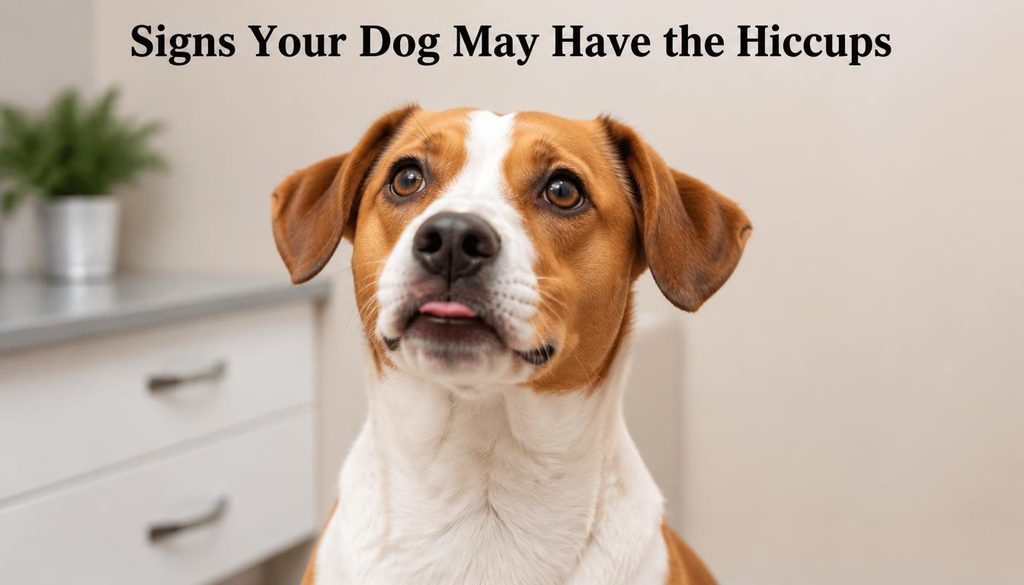
If your dog has hiccups, the easiest clue is usually the familiar rhythmic “hic” sound.
You may see a brief jerk of your dog’s chest, abdomen, or whole body at the same time. The movements are usually repetitive and may occur at fairly regular intervals.
Unlike coughing, a typical hiccup does not usually involve forceful clearing of the airway.
Your dog may continue lying down, walking, eating, or looking around normally during a mild episode. Puppies may even continue playing between hiccups.
Hiccups vs. reverse sneezes
Hiccups and reverse sneezing can look confusingly similar, but they are different events.
During a reverse sneeze, a dog rapidly pulls air inward through the nose. The dog may extend their neck, make repeated snorting sounds, and appear to struggle for a few moments.
A hiccup, on the other hand, is linked to an involuntary diaphragm contraction and usually produces the familiar short “hic” sound.
If you are unsure which one you are seeing, recording a short video can be extremely helpful for your veterinarian.
Hiccups vs. coughing
A cough is another behavior that can be mistaken for hiccuping.
Coughing is generally an effort to clear or protect the airways. Dogs may cough because of irritation, infection, allergies, foreign material, or other health problems. Persistent coughing should not simply be labeled as hiccups.
If the sound is harsh, repetitive, wet, honking, or accompanied by breathing difficulty, speak with your veterinarian.
You should also seek veterinary advice if your dog is coughing and bringing up fluid or repeatedly gagging. Vomiting and coughing can have very different causes, so the surrounding symptoms matter.
Can the Hiccups Be Harmful for Dogs?
Most short episodes are harmless.
The reassuring pattern is a dog that has occasional hiccups but otherwise behaves normally. They continue breathing comfortably, eat and drink normally, and return to their usual behavior once the episode ends.
However, prolonged or unusually frequent episodes deserve attention, especially when they occur alongside other symptoms.
Possible warning signs include:
- Difficulty breathing
- Wheezing
- Persistent coughing
- Vomiting
- Repeated retching
- Poor appetite
- Weakness or unusual tiredness
- Excessive drooling
- Obvious pain or distress
Rarely, hiccup-like signs can occur alongside an underlying respiratory, digestive, or other medical problem. That is why the whole picture matters more than the hiccup sound alone.
If your dog has a health concern involving vomiting, you can also read our guide on why dogs throw up white foam for additional information.
How to Get Rid of Dog Hiccups
In most cases, the best approach is patience. Most dog hiccups disappear without intervention.
There is not usually a special dog hiccups cure because hiccups are generally temporary. Instead of using forceful remedies, focus on helping your dog stay calm and comfortable while the episode passes.
Avoid frightening your dog, pulling their tongue, forcing food or water, or trying aggressive human hiccup remedies. These methods are unnecessary and may cause additional stress.
Instead, focus on calm, gentle measures.
Calm Irregular Breathing
Give your dog a quiet place to relax. A gentle belly or chest rub may help some dogs settle down, particularly if excitement contributed to the episode. Keep the interaction calm and stop if your dog seems uncomfortable.
The goal is not to force the hiccups to stop. It is simply to help your dog relax and return to a comfortable breathing pattern.
Encourage Your Dog to Drink Water
A small amount of water may help some dogs settle their hiccups.
If you offer water, allow your dog to drink slowly and normally. Do not force water into their mouth, and do not encourage them to gulp.
Calm drinking is preferable to rapidly consuming a large amount of water.
Slow Down Your Dog’s Eating Pace
If fast eating seems to trigger episodes, changing mealtime habits may be one of the most useful solutions.
Try smaller portions, more controlled meals, or a slow-feeder bowl. The goal is to reduce rapid gulping and swallowed air.
This approach can be particularly helpful for puppies that rush through every meal.
Prevention of Dog Hiccups
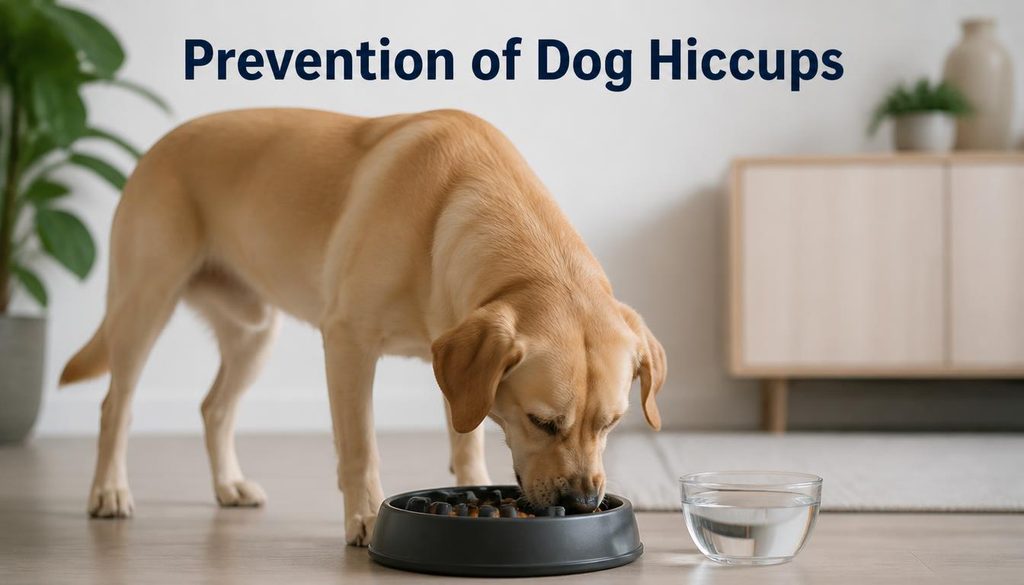
You cannot prevent every episode, but simple daily habits may reduce how often they occur.
Start by watching when your dog gets hiccups. If they happen shortly after meals, focus on slowing down eating. If they appear after intense play, allow a calm rest period afterward.
Useful habits include:
- Feed appropriate portions.
- Slow down fast eaters.
- Avoid sudden diet changes.
- Give your dog time to settle after vigorous play.
- Keep meals calm and predictable.
- Provide fresh water.
- Avoid feeding spicy or irritating human foods.
For puppies, preventing excessive excitement around mealtime can be especially helpful.
If frequent hiccups occur alongside digestive symptoms, don’t assume the episodes are always harmless. A veterinarian can determine whether another problem is contributing.
What if Dog Hiccups Don’t Go Away?
If your dog continues hiccupping for an unusually long time, keeps having episodes frequently, or the sound changes, it is worth contacting your veterinarian.
A puppy getting hiccups a lot may simply be experiencing a common puppy behavior, particularly if the episodes are brief and the puppy otherwise acts normally. However, repeated episodes combined with vomiting, poor appetite, lethargy, coughing, or breathing changes deserve professional attention.
Pay attention to what happens between episodes.
A dog that has occasional hiccups but is playful, comfortable, eating, drinking, and breathing normally is generally less concerning than a dog with persistent hiccups plus other symptoms.
Don’t wait for the hiccups alone to become severe if other warning signs are already present.
When to See a Vet About Your Dog’s Hiccups
Contact your veterinarian if the hiccups last unusually long, happen repeatedly, or occur with other concerning symptoms.
Seek prompt veterinary care if your dog has:
- Trouble breathing
- Wheezing or noisy breathing
- Repeated vomiting
- Severe or persistent coughing
- Marked weakness
- Loss of appetite
- Significant pain or distress
- A swollen or painful abdomen
Breathing difficulty is especially important. Problems involving the diaphragm or chest can sometimes cause serious respiratory signs, so a dog struggling to breathe should be assessed promptly.
If you are unsure whether what you are seeing is hiccuping, coughing, gagging, or another unusual movement, take a video and show it to your veterinarian.
For general preventive care, keeping vaccinations current is also an important part of protecting your dog’s health. You can learn more in our guide to how often dogs get rabies vaccines.
Dog Hiccups FAQs
Should I be worried if my dog is hiccupping?
Usually, no. Short episodes are common and generally harmless. Worry more if they last unusually long or occur with vomiting, coughing, wheezing, breathing difficulty, pain, or major behavior changes.
How do dogs get rid of hiccups?
Most dogs naturally stop hiccupping without treatment. Keeping them calm, offering a small amount of water, and avoiding rapid eating may help an episode settle.
What does a dog hiccup look like?
A dog may make a small rhythmic jerk of the chest or abdomen along with a brief “hic” sound. The movement is usually repeated several times before stopping.
Why does my dog get the hiccups everyday
Daily episodes can have simple triggers such as fast eating, swallowed air, excitement, or stomach upset. If they happen every day or are becoming more frequent, discuss them with your veterinarian.
Do puppies get the hiccups?
Yes. Puppies commonly experience hiccups, and they may have them more often than adult dogs. Young puppies often have fewer episodes as they mature.
What do dog hiccups look like?
They usually appear as small, repeated movements of the chest or belly accompanied by a short hiccup sound. Your dog generally remains conscious and responsive during the episode.
How to cure dog hiccups?
There is usually no need for a specific cure. Most episodes stop naturally. Calm rest, slow drinking, and preventing fast eating may help your dog feel more comfortable.
How to stop dog hiccups at night?
Keep the environment quiet and let your dog relax. If they are comfortable and breathing normally, there is usually no need to wake them or use forceful remedies.
Do dogs get hiccups when scared?
They can. Fear or stress may change a dog’s breathing pattern and cause rapid breathing or swallowed air, which may contribute to an episode.
Do dogs get hiccups in their sleep?
Yes, a dog may hiccup while resting or sleeping. Occasional episodes are generally not concerning if the dog otherwise breathes normally and behaves normally when awake.
What does a dog hiccup sound like?
It is usually a short “hic” sound that repeats rhythmically. The sound is generally softer than a cough and is accompanied by a small body or chest movement.
The bottom line: do dogs get hiccups
Dogs can get hiccups, and in most cases, these little episodes are a normal part of being a dog. Puppies experience them particularly often, and common triggers include fast eating, swallowed air, excitement, stress, and stomach changes.
The best response is simple: stay calm, let your dog relax, encourage slower eating and drinking, and watch for other symptoms.
If hiccups become prolonged, happen very frequently, or occur with coughing, vomiting, wheezing, pain, weakness, or breathing difficulty, contact your veterinarian.
Knowing what is normal gives you confidence: you can enjoy those funny little “hic” moments while recognizing when your dog genuinely needs help.