

Yes, dogs can eat plain sweet bell peppers in moderation. Red, green, yellow, and orange bell peppers are generally safe and provide vitamins and fiber. Avoid chili peppers, jalapeños, and other spicy varieties because capsaicin can cause irritation and digestive upset. Serve peppers plain, washed, and cut small.
Black pepper is not considered a useful dog treat and may cause irritation or stomach upset, especially in larger amounts. Keep peppers plain and introduce new foods slowly.
Can Dogs Eat Peppers?
Yes, dogs can eat plain sweet bell peppers as an occasional treat. Red, green, yellow, and orange bell peppers are generally safe because they do not contain the spicy compound capsaicin found in hot peppers.
The important point is that the word “pepper” can describe several very different foods. A crisp bell pepper is not the same as a chili, jalapeño, cayenne, or heavily seasoned pepper dish.
So, are peppers safe for dogs? Plain bell peppers can be, when offered in moderation and prepared properly. They can provide vitamins, antioxidants, fiber, and a low-calorie alternative to some processed treats.
However, peppers should remain a small extra rather than replacing a complete and balanced dog food. Start with a small piece when offering them for the first time and watch how your dog responds.
Which Peppers are Safe for Dogs?
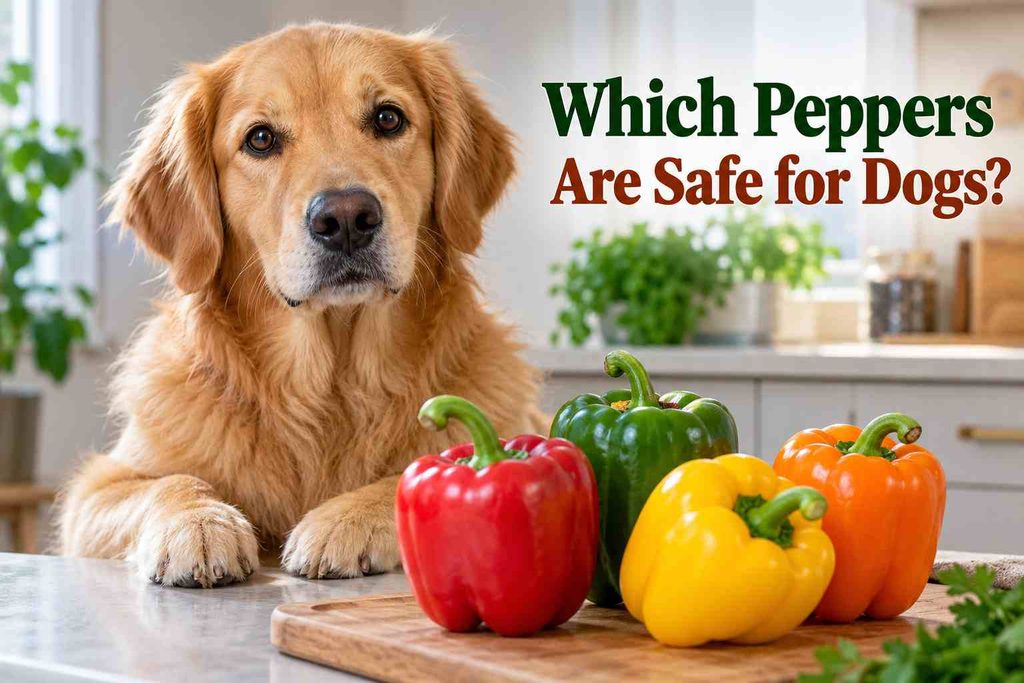
The safest choice is a plain, sweet bell pepper. Red, green, yellow, and orange varieties can all be offered in moderation. Remove the stem and core, cut the pepper into suitable pieces, and avoid salt, oil, butter, sauces, garlic, onions, and spicy seasonings.
Black Pepper
Black pepper is different from bell pepper. A tiny accidental amount is unlikely to cause serious problems in most healthy dogs, but it is not a seasoning that needs to be added to their meals.
If you are wondering is black pepper bad for dogs, the practical answer is that it is best left out of their food. Its strong aroma and taste can irritate the nose, while larger amounts may contribute to digestive discomfort.
There is also no good reason to deliberately add black pepper as a nutritional supplement. Although you may see claims about Benefits of black pepper for dogs, there is not enough evidence to recommend it as a health treatment or necessary dietary ingredient.
White Pepper
White pepper comes from the same plant as black pepper but is processed differently. It is still a concentrated seasoning rather than a useful dog treat.
Small accidental exposure is generally less concerning than eating a large quantity, but adding it to your dog’s meals is unnecessary. Dogs have different dietary needs from people, and their food usually does not need extra seasoning to be enjoyable or nutritious.
If your dog accidentally eats a small amount of white pepper, monitor them for stomach upset, sneezing, or other unusual signs. Contact your veterinarian if symptoms are severe, persistent, or concerning.
Chili Pepper
Chili peppers are a different story. They contain capsaicin, the compound responsible for the hot, burning sensation. Veterinary references describe capsaicin-containing peppers as capable of irritating the gastrointestinal tract.
That means can dogs eat chili peppers? They should not be intentionally fed chili peppers, jalapeños, cayenne, or other hot varieties.
A spicy pepper may cause mouth discomfort, drooling, vomiting, diarrhea, or other digestive irritation. Keep hot peppers and spicy dishes away from your dog’s bowl.
Red, green, yellow, or orange: does the colour matter?
All four common bell pepper colors can be safe for dogs when served plain and in moderation. The main difference is ripeness and nutritional profile, not basic safety.
Green peppers are less ripe and usually have a slightly stronger, more bitter taste. Yellow and orange peppers are sweeter, while red peppers are fully ripe and often contain higher amounts of certain antioxidants and carotenoids.
This does not mean your dog needs one particular color. If your dog enjoys green peppers, there is no need to switch. If they prefer the sweeter taste of red or yellow peppers, those can also work as occasional treats.
So, can dogs have green peppers? Yes, plain green bell pepper is generally safe for dogs.
Health benefits of peppers for dogs
Plain bell peppers can be a useful occasional snack because they are low in calories and provide several nutrients. They should not be viewed as a treatment or replacement for a complete canine diet.
Bell peppers contain nutrients such as vitamins A, C, and E, along with carotenoids and fiber. Vitamin A plays important roles in normal vision, skin, and immune function. Antioxidant compounds help protect cells from oxidative damage.
Their water content and crunchy texture can also make them an enjoyable snack for some dogs. For owners looking for a lighter treat, a few pieces of plain bell pepper may be a convenient option.
Still, more is not better. Dogs do not need large amounts of vegetables to receive complete nutrition. Their main food should provide the nutrients required for their age, size, and health needs.
Which peppers should dogs avoid?
Hot peppers should stay off your dog’s menu. This includes chili peppers, jalapeños, cayenne peppers, habaneros, and other varieties that contain significant amounts of capsaicin.
You should also avoid giving dogs peppers prepared as part of heavily seasoned human meals. The pepper itself may not be the only concern. Human recipes can contain salt, garlic, onions, rich sauces, butter, oil, or other ingredients that are unsuitable for dogs.
Pickled peppers are another poor choice because they can contain substantial salt, vinegar, and spices.
Stuffed peppers can also be risky because the filling may contain onions, garlic, excessive salt, cheese, fatty meat, or other ingredients your dog should not eat.
If you are asking is red pepper bad for dogs, remember that the name can be confusing. A red bell pepper is generally safe when plain, while a red hot pepper can be irritating because of capsaicin.
Potential Health Concerns

The biggest concern with plain bell peppers is usually digestive upset from eating too much rather than poisoning. A dog that suddenly eats a large amount may develop loose stools, gas, vomiting, or stomach discomfort.
Hot peppers are more concerning because capsaicin can irritate the mouth and digestive tract. Dogs may drool, pant, vomit, or develop diarrhea after eating spicy foods.
Seasoned human food creates another layer of risk. Salt can be harmful in excessive amounts, while ingredients such as onions and garlic are toxic to dogs. It is also important to check other everyday items your dog may chew or ingest, such as spider plants and their safety around dogs.
So, is pepper harmful to dogs? It depends on the type and preparation. Plain bell pepper in moderation is very different from chili pepper or a salty, spicy human meal.
If your dog eats a large amount of an unknown seasoning or develops significant symptoms, contact a veterinarian for individualized advice.
How to prepare peppers for your dog
Preparation is simple. Wash the bell pepper thoroughly, remove the stem and core, and cut the flesh into small pieces that match your dog’s size.
You can offer bell pepper raw if your dog chews it comfortably. Steaming can soften the texture and may make it easier for some dogs to eat.
Never add salt, pepper seasoning, sauces, garlic, onions, butter, or heavy oils.
If you are wondering can dogs have pepper seeds, it is better to remove them along with the core and stem before serving. Removing these parts makes the food easier to prepare and reduces unnecessary choking or digestive concerns.
Always introduce a new food gradually. One or two small pieces are enough for a first taste.
How much pepper can dogs eat?
There is no single portion that fits every dog. Size, age, health, diet, and individual tolerance all matter.
As a practical starting point, offer only a few small pieces. Veterinary guidance commonly recommends keeping treats and extras to a small portion of the overall diet, with about 10% or less of daily calories coming from treats and other extras.
For healthy adult dogs, a rough serving may look like this:
- Small dogs: A tablespoon or a few small pieces.
- Medium dogs: A few tablespoons or around one-quarter of a bell pepper.
- Large dogs: Up to around one-half of a bell pepper may be reasonable as an occasional serving.
These are general guidelines, not medical prescriptions. A dog with a medical condition, special diet, or sensitive digestive system may need a different amount.
Start smaller than the maximum and increase only if your dog handles it well.
Can puppies eat peppers?
Yes, puppies can usually have small amounts of plain bell pepper, but extra care is important. Puppies have smaller mouths and developing digestive systems, so pieces should be tiny and easy to chew.
Start with one small piece rather than a large serving. Watch for vomiting, diarrhea, gas, or other unusual changes after introducing the food.
Frozen or lightly steamed bell pepper may offer a different texture, but it should always be cut to an appropriate size to reduce choking risk.
Most of a puppy’s nutrition should come from a complete puppy food designed for growth. Bell pepper is simply an occasional extra.
Simple ways to serve peppers to your dog
Plain bell pepper is easy to add to a dog’s routine without making complicated recipes.
Try these simple options:
- Raw pieces: Wash and cut the pepper into small pieces for an occasional crunchy treat.
- Steamed pieces: Steam until soft, cool completely, and serve plain.
- Food topper: Mix a few finely chopped pieces with your dog’s regular food.
- Frozen pieces: Small frozen pieces can make a cool snack during warm weather.
- Training treat: Tiny pieces can be used occasionally when your dog enjoys the taste.
If you are asking can dogs have pepper on eggs, plain cooked eggs with a small amount of plain bell pepper can be an option for some dogs. Skip black pepper, chili, salt, onions, garlic, and other seasonings.
The goal is simple: keep the ingredients plain and the portion small.
Signs your dog isn’t tolerating peppers well

Most dogs can tolerate small amounts of plain bell pepper, but individual reactions can vary.
Watch for:
- Vomiting
- Diarrhea or loose stools
- Excessive gas
- Drooling
- Abdominal discomfort
- Reduced appetite
- Itching or swelling
If your dog develops mild digestive upset, stop offering the pepper and monitor them. Persistent vomiting, repeated diarrhea, breathing difficulty, marked weakness, facial swelling, or other serious symptoms need prompt veterinary attention.
If your dog ate a spicy pepper, a large amount of seasoning, or a food containing potentially harmful ingredients, contact your veterinarian rather than waiting for symptoms to become severe.
Safe Seasoning Alternatives
Dogs generally do not need food to taste like human meals. Keeping their food plain is often the simplest and safest approach.
Herbs and Other Spices
Some herbs can be suitable in small amounts, but “natural” does not automatically mean safe for every dog. Individual health conditions and medications can also affect what is appropriate.
Rather than experimenting with several seasonings, use plain ingredients and ask your veterinarian before regularly adding herbs or supplements to your dog’s diet.
This is especially important if your dog eats a prescription diet or has an ongoing health condition.
Preparing Foods for Your Dog
The safest approach is straightforward: choose fresh ingredients, prepare them plainly, and serve appropriate portions.
Avoid adding salt, spicy seasonings, sauces, excessive oil, butter, onions, or garlic. This is particularly important when sharing leftovers because human meals often contain several ingredients that are unsuitable for dogs.
If you are researching other household ingredients for your dog’s safety, you can also review our guide to whether eucalyptus is safe for dogs before using products around your pet.
Safely Sharing Seasoning with Your Dog
Dogs do not need seasoned food to enjoy their meals. In fact, plain food makes it much easier to know exactly what your dog has eaten and identify a possible problem if they react.
So, can dogs have pepper seasoning? It is best not to add pepper seasoning to your dog’s regular food. Seasoning blends can contain several ingredients, including salt, chili, garlic, onion, and other spices.
The same rule applies to can dogs have lemon pepper. Lemon-pepper seasoning is a human product, and recipes vary. It may contain salt, black pepper, garlic, onion, or other ingredients, so it is safer to avoid giving it to dogs.
Likewise, can dogs have black pepper with turmeric? There is no need to combine these seasonings for your dog. If you are considering turmeric or another supplement for a specific health reason, discuss it with your veterinarian first.
And can dogs have peppers and onions? Plain bell peppers can be suitable, but onions should never be intentionally fed to dogs because they can damage red blood cells.
If you are checking other dog-safety questions, our guide on whether sorbitol is safe for dogs can help you understand why ingredient labels matter when sharing human foods.
When in doubt, choose a plain ingredient instead of a seasoned meal. It is an easy habit that can prevent many avoidable problems.
FAQs about Pepper for Dogs
Is pepper toxic to dogs?
Plain sweet bell peppers are generally not toxic to dogs when given in moderation. Hot peppers can cause irritation because they contain capsaicin. Seasoned pepper dishes may also contain ingredients that are unsafe for dogs.
Is Pepper Good for Dogs?
Plain bell peppers can be a healthy, low-calorie treat for dogs when served in small amounts. They provide vitamins, antioxidants, and fiber, but should not replace complete dog food.
Is Pepper Bad for Dogs?
Plain bell peppers are generally safe for dogs, but hot peppers and large amounts of black pepper can cause mouth or stomach irritation. Avoid spicy or heavily seasoned foods.
Is Salt and Pepper Bad for Dogs?
Salt and pepper are best avoided in your dog’s food. Too much salt can cause serious health problems, while pepper may irritate the mouth and digestive system, especially in larger amounts.
Can Dogs Have Black Pepper?
A tiny accidental amount of black pepper is unlikely to cause serious harm in most healthy dogs, but it is not recommended as a regular seasoning. Larger amounts may cause irritation or digestive upset.
Can Dogs Eat Bell Peppers?
Yes. Plain red, green, yellow, and orange bell peppers can be safe occasional treats for dogs. Wash them, remove the stem and core, cut them into small pieces, and avoid seasoning.
Can dogs have pepper seeds?
It is better to remove the seeds, core, and stem before serving. The goal is to make the pepper easier to chew and digest and reduce unnecessary choking concerns.
Can dogs have pepper on eggs?
Plain cooked eggs can be suitable for many dogs, but avoid adding black pepper, chili, salt, onions, garlic, or seasoning blends. A small amount of plain bell pepper is a simpler option.
Can dogs have peppers and onions?
Dogs should not be given onions. Although plain bell peppers can be suitable in moderation, onions are toxic to dogs and should be kept out of their food.
Can dogs have pepper seasoning?
It is best to avoid pepper seasoning. Seasoning blends may contain salt, chili, onion, garlic, or other ingredients that can cause problems for dogs.
The verdict on pepper and dogs
So, can dogs have pepper? Yes, but choose the type carefully. Plain sweet bell peppers can be a fresh, crunchy, low-calorie treat when served in small portions. Red, green, yellow, and orange bell peppers are generally suitable for healthy dogs when prepared without seasoning.
Hot peppers, spicy dishes, and heavily seasoned foods are different. They can cause mouth and digestive irritation and may contain additional ingredients that are unsafe for dogs.
Keep portions small, remove unnecessary parts, introduce new foods slowly, and choose plain ingredients whenever possible. If your dog has a medical condition, eats a prescription diet, or develops concerning symptoms after eating something unusual, your veterinarian is the right person to guide you.
A little simplicity goes a long way when it comes to sharing food safely with your dog.