

Citronella is not the safest mosquito repellent to use around dogs, especially in concentrated oils, candles, sprays, or products a dog can lick or swallow. Exposure may cause stomach upset, skin or mouth irritation, or breathing problems, depending on the product and amount involved. For reliable protection, choose dog-labeled products and proven heartworm prevention instead of relying on citronella alone.
What Is Citronella?

Citronella is a lemon-scented substance best known for helping repel mosquitoes and other insects. The name is commonly used for citronella grasses and products made with citronella oil, including candles, sprays, oils, and some pet-training products.
Citronella oil comes from grasses in the Cymbopogon group. Its strong aroma can discourage mosquitoes, which is why it appears in many outdoor products. However, “natural” does not automatically mean safe for pets.
The safety question depends heavily on how your dog is exposed. A product sitting outside where a dog cannot reach it is very different from concentrated oil applied directly to the coat or a candle that gets chewed.
Pet owners should also remember that dogs have a much stronger sense of smell than people. A fragrance that seems mild to you may be unpleasant or irritating to your dog.
Is Citronella Safe for Dogs?
Citronella is best treated with caution around dogs. The ASPCA recommends keeping citronella candles, oils, insect coils, and similar products out of pets’ reach because ingestion can cause stomach irritation and, with oily products, inhalation or aspiration can create additional risks.
This does not mean every brief exposure will cause poisoning. The risk depends on the concentration, product ingredients, amount involved, and whether the exposure was swallowed, inhaled, or absorbed through the skin.
If you’re researching other natural products for your dog, the same principle applies: always check the specific ingredient and formulation rather than assuming something is safe because it is plant-based. For example, DogTalkUp’s guide to is frankincense safe for dogs explains why natural ingredients still need careful evaluation.
Citronella Plants
The phrase “citronella plant” can be confusing because several plants are marketed under similar names. Citronella grass and mosquito-scented plants are not necessarily the same thing, and a plant’s smell does not tell you whether it is safe to eat.
If your dog chews garden plants, the safest approach is to prevent access rather than allowing your dog to test whether a plant causes a reaction. Some Cymbopogon species, such as lemongrass, are listed by the ASPCA as toxic to dogs and can cause stomach upset.
So when considering citronella plants and dogs, don’t rely only on the common name. Identify the exact plant and keep unfamiliar plants away from dogs that like to chew.
Citronella Candles
Citronella candles are popular for patios and summer evenings, but they are not an ideal choice for an area where dogs can reach or chew them.
If swallowed, the citronella-containing material may irritate the stomach. The wax or other candle ingredients can add another problem, while spilled oils may irritate the skin. The ASPCA specifically advises keeping citronella candles and similar products out of pets’ reach.
There is also an inhalation concern. Strong fragrances and smoke can irritate sensitive airways, particularly in dogs that already have respiratory problems.
If you use a citronella candle outdoors, place it somewhere your dog cannot knock it over, lick it, or chew it. Never leave a burning candle unattended around a curious pet.
Citronella Essential Oils
Concentrated essential oils deserve the greatest caution. They contain highly concentrated plant compounds, meaning a small amount can provide a much stronger exposure than the original plant.
The ASPCA notes that concentrated essential oils can be dangerous for pets. Dogs exposed through ingestion, skin contact, or concentrated application can develop problems such as vomiting, diarrhea, depression, or unsteadiness.
For that reason, is citronella oil bad for dogs? It can be, particularly when concentrated or used incorrectly. Never put undiluted citronella essential oil directly on your dog’s coat or skin unless a veterinarian has specifically advised you to use a particular animal product.
Do not assume that “natural” means harmless. Essential oils can vary greatly in concentration and formulation, and veterinary toxicology guidance recommends keeping concentrated oils away from pets and avoiding direct application.
If you are researching other aromatic oils for your home, you should also understand that different oils have different risks. For example, you can read more about whether is eucalyptus safe for dogs before using eucalyptus products around your pet.
Citronella Sprays
A citronella spray should not automatically be considered a citronella spray safe for dogs simply because it is marketed as natural.
Sprays can contact the eyes, mouth, nose, or skin. A dog can also lick the treated area afterward. The risk depends on the exact ingredients and concentration.
For this reason, never spray a citronella insect repellent directly onto your dog unless the product is specifically labeled for canine use and your veterinarian agrees that it is appropriate.
The ASPCA also advises against applying insect repellents to pets unless they are specifically labeled for animal use.
Just how toxic is citronella for dogs?
There is no single dose that can be used to say exactly how dangerous citronella will be for every dog. Toxicity depends on the product, concentration, amount, route of exposure, and your dog’s size and health.
So, is citronella toxic to dogs? Certain citronella-containing products can cause harmful effects, especially when swallowed or when concentrated oils contact the skin or are inhaled.
The most important point is that a small accidental exposure does not automatically mean a life-threatening emergency. At the same time, owners should not intentionally expose dogs to citronella oil or let them chew citronella products.
Severe poisoning is not the expected outcome from every exposure, but serious signs can occur with some concentrated products or larger exposures. If you know your dog swallowed a citronella product, contact your veterinarian or an animal poison service rather than waiting for symptoms.
Symptoms of citronella poisioning
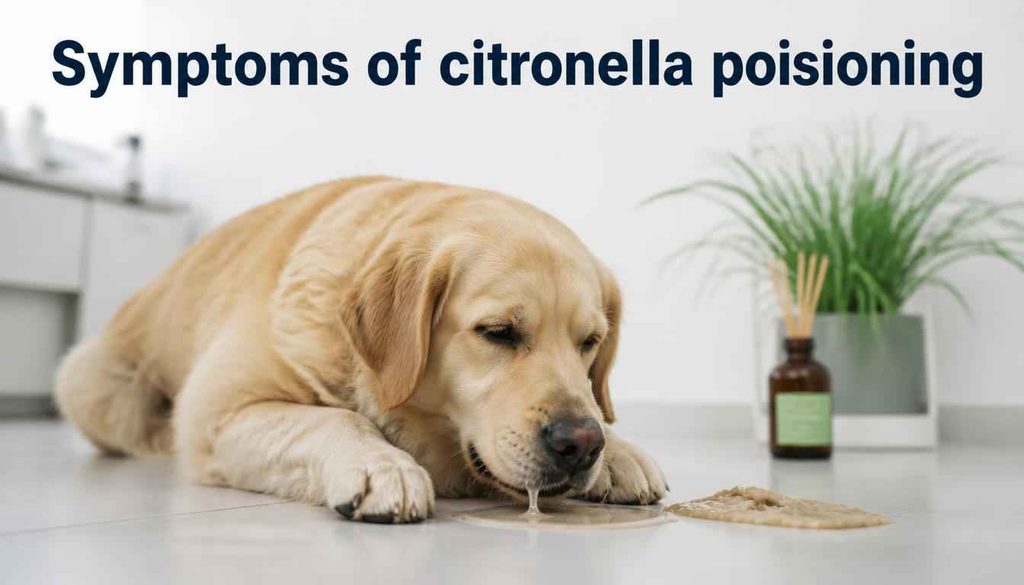
The signs depend on what your dog was exposed to and how much entered the body. Possible symptoms include:
- Vomiting
- Diarrhea
- Excessive drooling
- Mouth or throat irritation
- Skin irritation or redness
- Coughing
- Breathing difficulty
- Weakness
- Poor coordination
- Depression or unusual tiredness
Concentrated essential oils can be absorbed through the skin and gastrointestinal tract, and strong airborne exposure can irritate the respiratory system. Pet Poison Helpline notes that signs can vary with the oil and concentration involved.
Can citronella kill dogs? It should not be assumed that every exposure is fatal. However, a serious exposure to a concentrated product can potentially become dangerous, so suspected poisoning should always be taken seriously.
If your dog develops breathing difficulty, repeated vomiting, severe weakness, tremors, collapse, or other serious symptoms, seek emergency veterinary care immediately.
Do not make your dog vomit unless a veterinarian or poison-control professional specifically tells you to do so.
Citronella and dogs — citronella’s common uses in canine products
Citronella has been used in several dog-related products, particularly products designed to interrupt barking or discourage unwanted behavior. It may also appear in grooming, deodorizing, or insect-repellent products.
The presence of citronella in a dog product does not automatically make every citronella product safe. Commercial products can contain very different concentrations and additional ingredients.
This is why the label matters more than the word “citronella.” A product specifically formulated and labeled for dogs has undergone a different safety consideration than concentrated household essential oil.
Always follow the manufacturer’s directions and never substitute a household citronella oil or spray for a veterinary-approved canine product.
Potential issues with citronella oil
The biggest concern with citronella oil is concentration. Essential oils are highly concentrated plant extracts, so a small amount can deliver far more active compounds than the original plant.
Pet Poison Helpline explains that essential oils can be absorbed through the stomach, skin, and lungs, and that increasing concentration can increase risk. Concentrated essential oils should not be directly applied to dogs.
Potential problems include:
- Skin irritation after direct contact
- Drooling or mouth irritation after licking
- Vomiting or diarrhea after ingestion
- Coughing or breathing irritation after strong exposure
- Neurologic or systemic signs after significant exposure
Dogs with existing respiratory problems may be more sensitive to strong airborne fragrances. If your dog seems uncomfortable around a diffuser, scented candle, or strong spray, move them into fresh air and stop the exposure.
What are some pet-safe mosquito repellants?
The best mosquito strategy is not simply finding the strongest-smelling natural repellent. It is creating several layers of protection that reduce mosquito exposure while protecting your dog.
First, use a veterinarian-recommended parasite-prevention product. Second, reduce mosquitoes around your home by removing standing water and limiting exposure during periods when mosquitoes are active.
The American Heartworm Society recommends year-round heartworm prevention for dogs and practical steps to reduce mosquito exposure. It also emphasizes that mosquito repellents should complement—not replace—heartworm prevention.
Never use a human insect repellent on your dog unless the product specifically says it is safe for dogs.
When it comes to mosquitoes, the biggest danger to your dog are heartworms
Mosquitoes are more than an annoying summer pest. They transmit Dirofilaria immitis, the parasite responsible for heartworm disease.
Heartworm disease can seriously damage the heart, lungs, and blood vessels and can become fatal if left untreated. The American Heartworm Society recommends year-round preventive medication because dogs can encounter infected mosquitoes in many areas where mosquitoes are present.
This is why mosquito control should never replace heartworm prevention.
Your veterinarian can recommend a preventive based on your dog’s age, weight, lifestyle, location, and other health needs. Keeping outdoor areas free of standing water can also reduce mosquito breeding sites.
Other plants and essential oils that can pose a danger for dogs
Citronella is not the only plant-based ingredient that deserves caution. Some essential oils can cause problems when concentrated, applied directly, swallowed, or used in ways that increase airborne exposure.
Tea tree oil is one well-known example, but the risk varies substantially between oils and formulations. Pet Poison Helpline recommends caution with essential oils and warns against directly applying concentrated oils to dogs.
Do not assume an essential oil is safe simply because it is natural, organic, or commonly used by people.
If you are considering any plant-based product for your dog, check the complete ingredient list and ask your veterinarian before use.
What are citronella collars?
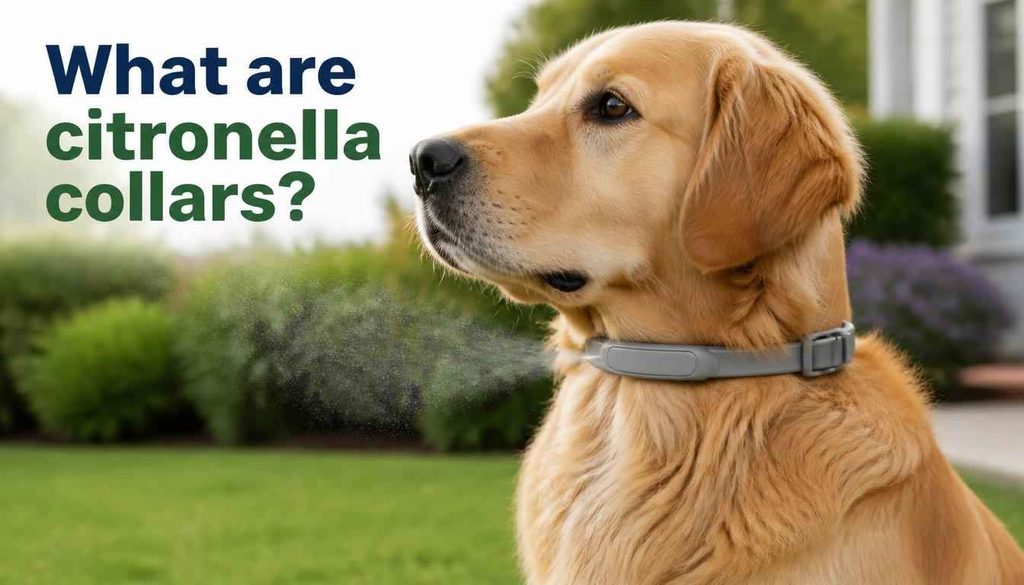
Citronella collars are bark-control devices designed to release a citronella-scented spray when the collar detects barking.
The spray is intended to interrupt barking rather than physically shock the dog. However, interrupting a behavior is not the same as addressing the reason behind it.
A dog may bark because of fear, frustration, separation distress, territorial behavior, excitement, boredom, or another trigger. Understanding the cause is important for long-term improvement.
If excessive barking is persistent, positive-reinforcement training and professional behavioral guidance can be more useful than depending on a correction device alone.
Are citronella collars safe for dogs?
A citronella collar should not be treated as automatically harmless. The safety of a specific collar depends on its formulation, fit, frequency of spraying, and the individual dog’s sensitivity.
A poorly fitted collar may cause unnecessary skin irritation or allow repeated spraying. Strong scents may also bother some dogs.
If you choose to use one, follow the manufacturer’s instructions carefully, monitor your dog’s response, and stop using it if your dog shows signs of distress, coughing, skin irritation, fear, or unusual behavior.
Most importantly, a collar should never replace understanding why the dog is barking.
How effective are citronella collars for dogs?
Citronella collars may interrupt barking in some dogs, but their effectiveness varies. A dog may stop barking temporarily because the unexpected spray interrupts the behavior, yet the underlying cause can remain.
For long-term results, identify the trigger and teach an alternative behavior using reward-based training.
If barking happens when your dog sees people through a window, for example, management of the environment plus positive reinforcement can be more useful than simply stopping the bark.
The goal should be a calmer, happier dog—not merely a quieter one.
Dog-Friendly Mosquito Repellents
The safest mosquito plan combines environmental control, veterinary-approved prevention, and sensible outdoor habits.
Keep standing water away. Empty water from buckets, plant trays, toys, gutters, and other containers where mosquitoes can breed.
Use veterinarian-approved preventives. Heartworm prevention is essential because mosquito bites can transmit heartworms. The American Heartworm Society recommends year-round prevention.
Use only dog-labeled insect products. Never assume a human repellent or household spray is suitable for your pet.
Use physical barriers. Screens, fans, and keeping dogs indoors during periods of heavy mosquito activity can reduce exposure.
Keep citronella products inaccessible. Store candles, oils, sprays, and other insect products where your dog cannot reach or chew them.
Ask your veterinarian about additional repellents. Depending on where you live and your dog’s lifestyle, your veterinarian may recommend a product that provides mosquito repellency along with protection against other parasites.
The key is to choose a strategy that is both effective and appropriate for your individual dog.
FAQs
Is citronella bad for dogs?
Citronella can be harmful to dogs depending on the product and exposure. Concentrated oils, candles, and other products should be kept away from dogs, especially because swallowing or direct exposure can cause irritation or other health problems.
Can dogs smell citronella?
Yes. Dogs have a highly developed sense of smell, so they can detect strong scents such as citronella. Some dogs may find the smell irritating or unpleasant, especially when the fragrance is concentrated.
Can citronella kill dogs?
A typical brief exposure does not mean a dog will die, but serious poisoning can occur with some concentrated products or significant exposure. If your dog has swallowed citronella oil or another potentially toxic product, contact your veterinarian promptly.
Are citronella candles safe for dogs?
Citronella candles are best kept away from dogs. The ASPCA advises keeping citronella candles and similar products out of pets’ reach because ingestion can cause stomach irritation and oily products can create additional risks.
Is citronella collar safe for dogs?
A citronella collar is not automatically safe for every dog. If used, it should be correctly fitted, closely monitored, and used according to the manufacturer’s directions. Stop using it if your dog shows signs of distress or irritation.
What should I do if my dog is exposed to citronella?
Move your dog away from the product and prevent further exposure. Do not induce vomiting unless a veterinarian or poison-control professional tells you to. Contact your veterinarian for advice, especially if your dog swallowed concentrated oil or is showing symptoms.
The bottom line: is citronella safe for dogs
Citronella may be a popular natural mosquito repellent, but it is not the best choice for direct use on dogs or unrestricted use around them. Candles, concentrated oils, sprays, and other citronella products can cause problems if swallowed, applied incorrectly, or inhaled in irritating amounts.
The good news is that protecting your dog from mosquitoes does not require taking unnecessary risks. Use veterinarian-approved parasite prevention, reduce standing water, limit mosquito exposure, and choose only products specifically labeled for canine use.
If your dog has been exposed to a potentially harmful substance, prompt veterinary advice is the safest step. For another useful guide on ingredient safety, you can also read DogTalkUp’s article on is sorbitol safe for dogs.
A simple rule can make summer care much easier: when it comes to mosquito protection, choose proven dog-safe prevention over guesswork.



Pingback: Is Catnip Bad for Dogs? Best Friends Veterinary Clinic
Pingback: Is Frankincense Safe For Dogs | Benefits, Risks & Uses