
No, concentrated peppermint essential oil is not considered safe for dogs, especially when swallowed or applied directly. It can cause drooling, vomiting, diarrhea, skin irritation, breathing problems, weakness, or tremors. Always keep concentrated oil away from your dog and contact a veterinarian after exposure.
Wondering if peppermint oil is safe for your dog? Learn the risks, warning signs, and safer ways to avoid accidental exposure at home.
What is Peppermint Oil?
Peppermint oil is a concentrated essential oil made from the peppermint plant. Because essential oils contain highly concentrated plant compounds, even a small quantity can be much stronger than the fresh herb itself.
That difference matters when you have a dog at home. A few peppermint leaves and a bottle of concentrated essential oil are not equivalent exposures. Veterinary toxicology sources warn that essential oils can be absorbed through the digestive tract, skin, lungs, and mucous membranes.
What is peppermint?
Peppermint is an aromatic plant from the mint family. Its familiar cooling smell comes largely from compounds such as menthol. People commonly use peppermint in teas, foods, toothpaste, candy, personal-care products, and essential oils.
For dogs, the form matters. A small amount of the plant is very different from concentrated peppermint oil. The ASPCA lists mint as toxic to dogs because of its essential oils and notes that large ingestions can cause vomiting and diarrhea.
What Are the Benefits of Peppermint Oil for Dogs?
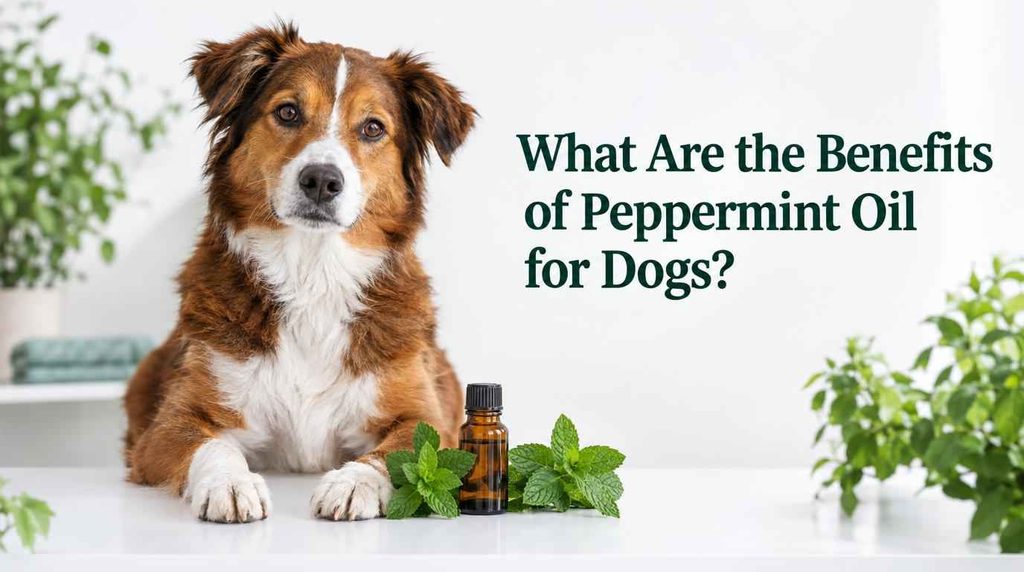
You may see peppermint oil promoted for skin comfort, digestion, freshness, or natural flea control. However, there is limited evidence establishing peppermint essential oil as a safe or effective treatment for these problems in dogs.
That is important because a product being described as “natural” does not automatically make it appropriate for pets. Merck Veterinary Manual notes that evidence for the effectiveness and safety of essential oils in veterinary patients remains limited, including questions about dosing, purity, and long-term exposure.
So, Is Peppermint Oil Good for Dogs? There is no simple yes. A veterinarian should consider the dog’s age, health, medications, concentration, and intended use before recommending an essential oil.
How It Is Labeled?
Read the entire product label before bringing peppermint oil near your dog. Look for the exact ingredients, concentration, directions, and warnings rather than relying only on words such as “natural,” “pure,” or “therapeutic.”
A label can tell you what is inside a product, but it cannot guarantee that concentrated peppermint oil is appropriate for your particular dog. Keep the original bottle available if accidental exposure occurs because your veterinarian may need the ingredient and concentration information.
Real vs. Synthetic Essential Oil
Real and synthetic fragrance products are different, but choosing a “natural” essential oil does not remove the safety concern. Natural peppermint oil is still a concentrated chemical mixture and can cause adverse effects when a dog receives too much exposure.
For this reason, do not assume that a pure product is safer simply because it contains fewer additives. The concentration and exposure route remain important factors. Veterinary toxicology guidance specifically warns against applying concentrated essential oils directly to dogs.
Is Peppermint Essential Oil Safe for My Dog?
The safest answer is it depends on how your dog is exposed. Concentrated peppermint oil can be harmful, especially when swallowed or placed directly on the skin. Strong airborne exposure may also irritate a dog’s respiratory system.
Symptoms of peppermint oil toxicity
Possible signs depend on the amount, concentration, and route of exposure. Dogs exposed to essential oils may develop:
- Drooling or excessive salivation
- Vomiting or diarrhea
- Weakness or unusual tiredness
- Trouble walking or poor coordination
- Tremors
- Skin irritation or burns
- Pawing at the mouth or face
- Coughing or breathing difficulty
- Changes in body temperature
- Seizures in severe cases
VCA and Merck Veterinary Manual both emphasize that clinical signs can vary considerably according to the oil and exposure route.
If symptoms appear after exposure, contact your veterinarian promptly. Do not wait for signs to become severe.
Is peppermint oil safe for dogs?
So, is peppermint oil toxic to dogs? Concentrated peppermint oil can be toxic, and veterinary sources list peppermint among essential oils that can cause poisoning in dogs. That does not mean every brief exposure produces serious poisoning, but it does mean concentrated oil should be handled carefully.
The question is peppermint bad for dogs is therefore more complicated than a simple yes or no. The form matters. A tiny amount of a peppermint-containing food, a concentrated oil spill, and direct application to the skin are completely different situations.
How Dogs Experience Peppermint Oil Differently Than Humans
Dogs experience scents differently from people. A smell that seems fresh and pleasant to you can be much stronger or uncomfortable for your dog.
This is one reason owners should watch their dog’s behavior rather than assuming that a scent they enjoy will also feel comfortable to their pet.
Why A Dog’s Nose Makes Strong Oils More Intense
Dogs have a highly developed sense of smell, so strong aromatic substances can be very noticeable to them. The important point is not simply how pleasant peppermint smells to a person, but how concentrated the exposure is and how the individual dog responds.
A dog that repeatedly moves away from a strong scent is giving you useful information. Treat that behavior as a reason to reduce or remove the exposure.
The Difference Between A Dog Choosing To Smell And Being Exposed
There is a meaningful difference between a dog briefly investigating a scent and being unable to leave a room containing an active diffuser.
If your dog can freely move away, you have reduced one important source of exposure. If the dog is confined in a small room with concentrated fragrance, the animal has much less control over the situation.
How Menthol Compounds Affect Canine Respiratory Tissue
Peppermint contains aromatic compounds such as menthol. Strong essential-oil exposure can irritate the respiratory tract, and veterinary references describe coughing, wheezing, rapid breathing, nasal discharge, and breathing difficulty among possible signs following inhalation exposure to essential oils.
Dogs with existing breathing problems deserve additional caution.
Behavioral Signs That A Dog Is Uncomfortable With An Aroma
Your dog may communicate discomfort before a serious problem develops. Watch for:
- Leaving the room suddenly
- Repeated sneezing
- Coughing
- Excessive drooling
- Pawing at the face
- Restlessness
- Vomiting
- Rapid or difficult breathing
If your dog seems uncomfortable, stop the exposure and move them into fresh air. If breathing problems or other significant symptoms occur, contact a veterinarian.
Why Small Dogs And Puppies Face Greater Sensitivity Risks
Age and body size can affect how an animal responds to chemical exposure. Puppies are still developing, and dogs with certain health conditions may be more vulnerable.
Merck notes that the severity of essential-oil toxicosis depends on factors including the type and concentration of oil and the exposure route. VCA also warns that puppies and dogs with liver disease can be more sensitive to essential-oil effects.
Can Dogs Have Peppermint Oil?
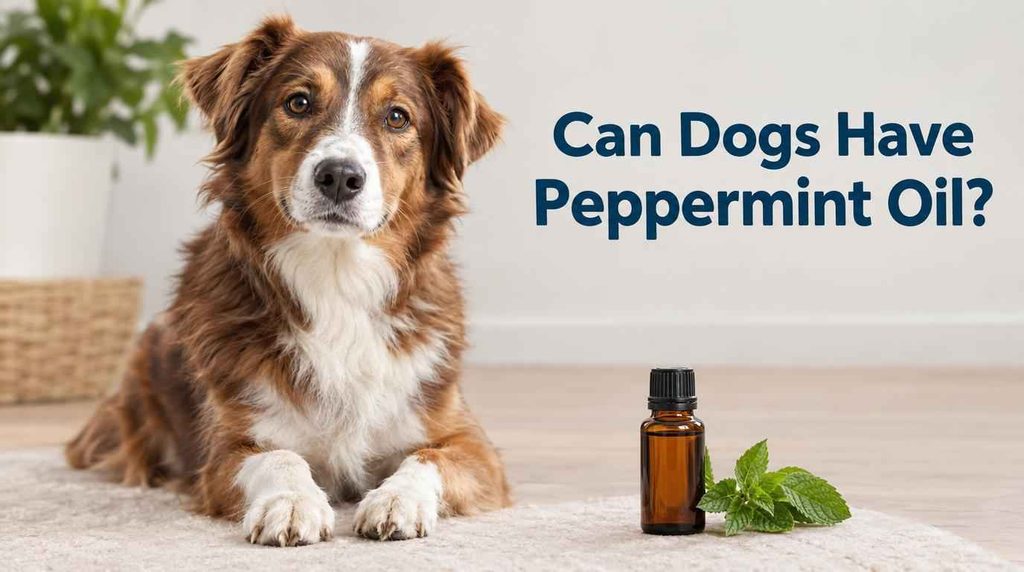
If you are wondering can dogs have peppermint, remember that peppermint leaves, peppermint foods, and peppermint essential oil are not the same thing.
A dog should not be given concentrated peppermint oil to drink or eat. Essential oils are much more concentrated than the original plant, and accidental ingestion can cause gastrointestinal and neurological problems depending on the exposure.
The same applies to peppermint essential oil dogs may encounter through household products. Keep bottles securely closed and stored where your pet cannot reach them.
What about peppermint oil for flea and tick control?
Peppermint oil is sometimes promoted as a natural flea or tick repellent. However, natural does not automatically mean safe or effective.
Merck Veterinary Manual identifies essential oils among products used as natural flea and tick repellents but warns that essential oils can cause toxicosis. Pet Poison Helpline also advises caution with essential oils used for parasite control.
For reliable parasite protection, talk with your veterinarian about products that have been evaluated for dogs and your pet’s specific needs.
How to Safely Use Peppermint Oil for Dogs
The safest approach is to avoid direct use of concentrated peppermint oil on your dog. If peppermint oil is used in your home, focus on limiting exposure, preventing access to the bottle, and giving your dog a way to leave the area.
Aromatic And Diffuser Use In A Home With Dogs
A diffuser changes the exposure route because aromatic compounds enter the surrounding air. Active diffusers can release tiny oil droplets, creating additional opportunities for inhalation and contact with fur.
Merck recommends keeping pets out of a room while using a diffuser and ventilating the room afterward.
Room Size And Ventilation When Diffusing Around Dogs
Large, well-ventilated spaces generally provide more opportunity for fragrance to disperse than small, closed rooms. However, ventilation does not make concentrated oil automatically safe.
If you use a diffuser, keep your dog away from the active device and provide fresh air afterward.
How Long Is Safe To Diffuse When A Dog Is Present
There is no universal time that can guarantee safety for every dog. Merck’s veterinary toxicology guidance recommends short diffuser periods of less than 30 minutes and keeping pets out of the room during use.
If your dog has breathing problems or reacts to fragrances, avoiding the exposure altogether is a safer choice.
Giving Dogs An Exit During Any Diffusion Session
Never trap your dog in a room with an active diffuser. Your pet should be able to move to a separate, oil-free area.
If your dog chooses to leave, let them. That simple choice can prevent prolonged exposure.
High Risk Spaces Where Dogs Should Not Be During Diffusion
Avoid using active diffusers around your dog in small enclosed areas such as bathrooms, small bedrooms, or closed offices.
Keep the dog away from the device itself, and never position a diffuser beside the dog’s bed, crate, food, or water.
Passive Scenting Methods And Their Lower Risk Profile
Passive fragrance products do not release the same kind of airborne microdroplets as active ultrasonic or nebulizing diffusers. However, they can still create respiratory irritation, and spilled oil can create a serious skin or ingestion hazard.
So passive does not mean risk-free. Keep all oil containers and fragrance products out of your dog’s reach.
Topical Spray And Water-Based Applications Around Dogs
Be especially careful with peppermint oil spray for dogs. Spraying an essential oil around or directly onto a dog can expose the animal through breathing, skin contact, and later licking.
Oil also does not simply become harmless because it is added to water. Essential oils do not fully mix with water, so concentrated droplets can remain present.
For that reason, never improvise a peppermint spray for direct use on your dog without veterinary guidance.
Safe Practices For Using Peppermint Oil In A Home With Dogs
Good safety habits are simple and practical. Keep the oil secured, prevent direct contact, avoid ingestion, and watch your dog for signs of discomfort.
Creating Safe Zones That Give Dogs Freedom To Move Away
Give your dog an oil-free area where they can rest, sleep, eat, and relax. This is especially useful if fragrance is occasionally used elsewhere in the home.
Ventilation Habits That Lower Airborne Oil Concentration
After using an essential-oil product, increase fresh-air circulation before allowing your dog back into the area. Opening windows and improving airflow can help clear residual fragrance.
Storage Practices That Keep Oils Away From Curious Pets
Keep every essential-oil bottle tightly closed and stored in a secure cabinet. Do not leave bottles on low tables, counters that your dog can reach, or beside pet supplies.
Reading Your Dog’s Body Language As A Real-Time Safety Signal
If your dog leaves the area, sneezes repeatedly, coughs, drools, or seems restless after fragrance is introduced, stop the exposure.
Your dog’s reaction is more useful than assuming that a particular scent must be comfortable because it feels pleasant to you.
When A Veterinarian Should Be Part Of The Conversation
Talk with your veterinarian before using essential oils if your dog has a respiratory condition, liver disease, is very young, is elderly, or takes medication.
A veterinarian can consider your dog’s individual health rather than giving a one-size-fits-all answer.
For comparison, you can also read our guide on whether Frankincense Safe For Dogs when evaluating other essential oils.
What Pup Safe Means And Why Oil Quality Matters For Pets
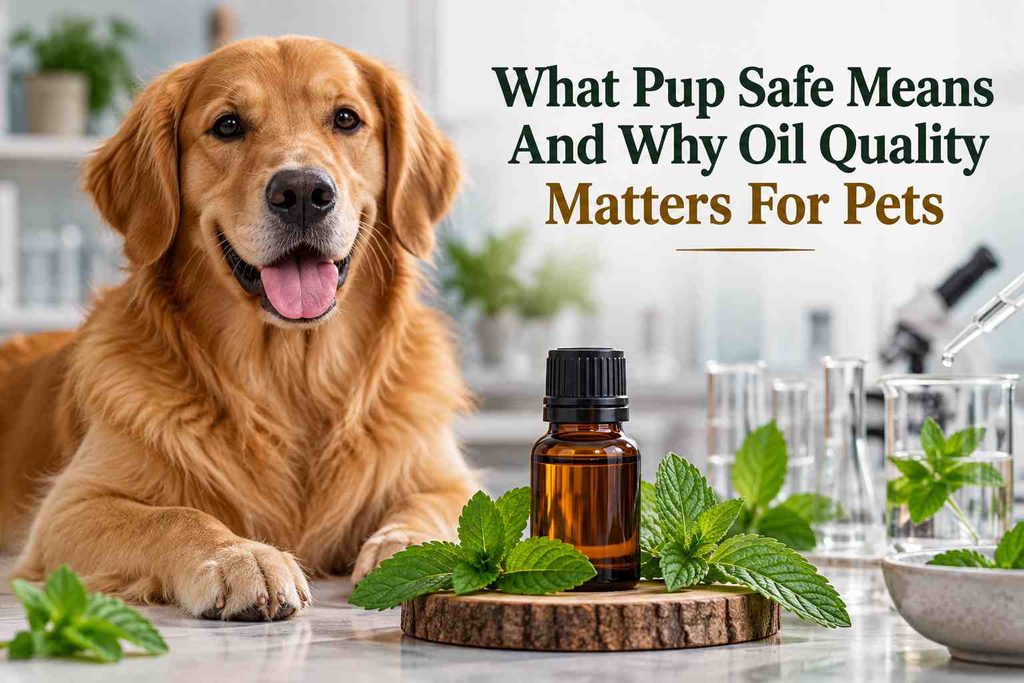
Safety labels can be useful, but they should never replace veterinary advice. A phrase such as “pet safe” is not a universal guarantee that every concentration, application method, or exposure level is safe for every dog.
What The Pup And Pony Safe Label Actually Covers
If an essential-oil company uses a “Pup and Pony Safe” designation, check the company’s own definition and testing information. Such a label is a manufacturer-specific claim, not a universal veterinary safety standard.
The most important questions are what the label covers, which concentration was evaluated, how the product is intended to be used, and what warnings remain.
Why Oil Purity Matters Even More Around Animals Than Humans
Knowing the ingredients and concentration is useful because essential-oil risk depends partly on the chemical composition and amount involved.
However, “pure” should not be treated as another word for “safe for dogs.” A pure concentrated essential oil can still be dangerous when swallowed or applied directly.
How Third-Party GC/MS Testing Supports Safer Pet Use
GC/MS testing can identify and characterize chemical components in an essential-oil sample. Published testing can therefore provide useful information about what is actually present in a product.
But testing does not prove that a particular concentration is safe for dogs. Product composition and veterinary safety are related questions, not identical ones.
How Organic Certification Reduces Hidden Chemical Risk For Pets
Organic certification can provide information about how agricultural ingredients were produced, but it does not make peppermint essential oil automatically safe for dogs.
Pet owners should consider certification alongside the full ingredient list, concentration, intended use, testing information, and veterinary guidance.
For another example of evaluating ingredients around dogs, see our guide to Whether Eucalyptus Safe For Dogs.
Why Sourcing Transparency Is Non-Negotiable For Pet-Owning Families
A trustworthy product should clearly identify its ingredients, intended use, concentration where relevant, manufacturer information, and safety instructions.
The more information you have, the easier it is for you and your veterinarian to make a sensible decision. Transparency is particularly valuable if an accidental exposure occurs.
Can Dogs Have Peppermint?
Dogs may encounter peppermint in plants, foods, drinks, candy, toothpaste, or household products. These forms should not all be treated the same.
Can dogs eat peppermint candy?
Peppermint candy is not a good treat for dogs. The concern is not only peppermint itself but also other ingredients that may be present.
Risk of xylitol toxicity for dogs
Some sugar-free candies contain xylitol, a sweetener that can be extremely dangerous to dogs. If your dog eats a product that may contain xylitol, contact a veterinarian or animal poison-control service immediately.
Risk of chocolate toxicity for dogs
Chocolate peppermint products can create an additional poisoning risk. Chocolate contains compounds that dogs process differently from people, and the danger depends on the type and amount consumed.
Wrappers may cause a GI obstruction in dogs
Candy wrappers can also become a physical hazard if swallowed. Depending on the amount and size, wrappers may contribute to gastrointestinal obstruction.
Peppermint candy without chocolate or xylitol
A small amount of ordinary peppermint candy without xylitol or chocolate may cause little more than stomach upset in some dogs, but it is still not a healthy dog treat.
If you are unsure what your dog consumed, check the package and contact your veterinarian.
Are peppermint plants safe for dogs?
Peppermint plants are different from concentrated peppermint essential oil. The ASPCA lists mint as toxic to dogs because of its essential oils and reports vomiting and diarrhea with large ingestions.
If your dog eats a noticeable amount of a mint plant, especially if symptoms develop, contact your veterinarian.
Can dogs have peppermint tea?
Do not assume that peppermint tea is automatically safe simply because it is diluted. Plain tea without harmful sweeteners or other ingredients is different from concentrated essential oil, but there is limited evidence supporting peppermint tea as a treatment for dogs.
Ask your veterinarian before deliberately giving herbal tea to your dog, particularly if your pet has a medical condition or takes medication.
What should I do if my dog eats peppermint?
The first step is to identify exactly what your dog consumed. Find the package, check the ingredients, estimate the amount, and note when the exposure happened.
If your dog swallowed concentrated peppermint oil, contact a veterinarian promptly. Veterinary sources specifically warn against inducing vomiting after essential-oil exposure because aspiration of oil can cause serious lung complications.
What should I do if my dog eats peppermint?
If your dog ate peppermint oil, do not wait for symptoms before asking for professional guidance. Tell the veterinarian the product name, concentration if available, estimated amount, and your dog’s weight.
If the oil got onto the skin or fur, veterinary guidance may include washing the product away. VCA recommends liquid dishwashing detergent for removing essential oil from the skin or coat.
If your dog licked peppermint oil, treat it as a potential essential-oil exposure rather than assuming a small lick is harmless.
Paws off the peppermint!
Prevention is easier than dealing with an accidental poisoning. Keep peppermint oil bottles closed and locked away, never leave spilled oil unattended, and avoid applying concentrated essential oils directly to your dog.
If you think your dog has been exposed and develops vomiting, weakness, drooling, breathing problems, tremors, poor coordination, or another concerning sign, seek veterinary help promptly.
If your dog is exposed to another household ingredient, our guides on Sorbitol Safe For Dogs and other dog-safety topics can help you understand the difference between common ingredients and concentrated products.
Looking for a Pet-Safe Peppermint Product?
Be cautious with products marketed specifically around dogs. “Pet-safe” should not be treated as permission to use a concentrated essential oil however you choose.
Before buying or using a peppermint product, check:
- The complete ingredient list
- Essential-oil concentration
- Intended method of use
- Manufacturer safety directions
- Whether the product is actually formulated for dogs
- Whether your veterinarian considers it appropriate for your pet
The safest product is not necessarily the one with the strongest natural ingredients. It is the one whose ingredients, concentration, intended use, and safety information are clear.
FAQs
Is peppermint safe for dogs?
Peppermint depends on the form and amount. Concentrated peppermint essential oil can be harmful, while other peppermint-containing products create different levels of risk. Keep essential oil away from direct ingestion and skin contact.
Can dogs smell peppermint oil?
Dogs can smell peppermint oil, but that does not mean prolonged exposure is safe. Strong fragrances may irritate some dogs, particularly those with respiratory sensitivity. If your dog moves away or shows respiratory signs, remove the scent source.
Can dogs inhale peppermint oil?
Dogs can inhale aromatic compounds from peppermint oil, but inhalation can cause respiratory irritation depending on concentration and exposure. Merck recommends keeping pets out of rooms while active diffusers are operating and ventilating afterward.
Is peppermint scent safe for dogs?
A mild scent may be tolerated by some dogs, but there is no universal safe scent level for every pet. Individual sensitivity, ventilation, concentration, and exposure time all matter.
Can you diffuse peppermint oil around dogs?
It is safer to keep your dog out of the room while an active diffuser is operating. Ventilate the area afterward and never force a dog to remain around an essential-oil diffuser.
Is diluted peppermint oil safe for dogs to smell?
Dilution reduces concentration but does not guarantee safety. The amount released into the air, room ventilation, duration, and your dog’s health all matter. Avoid assuming that diluted means harmless.
Is mint oil safe for dogs?
“Mint oil” can refer to different products, so check the exact ingredient and concentration. Concentrated essential oils can cause adverse effects in dogs, and veterinary advice is appropriate before using them.
Is peppermint oil toxic to dogs?
Concentrated peppermint oil can cause toxic effects in dogs. Reported signs of essential-oil exposure include vomiting, drooling, weakness, poor coordination, skin irritation, and respiratory problems.
Is Peppermint Essential Oil Safe for Dogs?
Peppermint essential oil can be harmful to dogs, especially when swallowed or used undiluted. Because it is highly concentrated, use it carefully and ask your veterinarian first.
Is Peppermint Oil Safe for Dogs to Smell?
Dogs may react differently to peppermint oil. Strong scents can bother some dogs, so keep the area ventilated and let your dog move away whenever needed.
Is Peppermint Toxic to Dogs?
Peppermint oil can be toxic to dogs when exposure is high or the oil is swallowed. Possible signs include vomiting, drooling, weakness, skin irritation, and breathing problems.
The bottom line: is peppermint oil safe for dogs
Peppermint oil deserves careful handling around dogs because it is concentrated and can enter the body through ingestion, skin contact, or inhalation. The safest approach is simple: never give concentrated oil by mouth, never apply it directly without veterinary guidance, keep bottles secured, and avoid exposing your dog to active diffusion.
If an accident happens, quick action matters. Keep the product packaging, contact your veterinarian, and do not induce vomiting after essential-oil exposure unless a veterinary professional specifically instructs you to do so.
For dog owners, the goal is not to fear every peppermint product. It is to understand the difference between a small incidental exposure and concentrated essential oil, recognize warning signs, and make careful choices based on your dog’s individual health.
Expert-review note: This article is intended for educational purposes and should not replace advice from a licensed veterinarian or animal poison-control professional. Veterinary toxicology references, including Merck Veterinary Manual, VCA Animal Hospitals, ASPCA, and Pet Poison Helpline, were used to support the safety information presented here.



Pingback: Is Catnip Bad for Dogs? Best Friends Veterinary Clinic
Pingback: Is Eucalyptus Safe For Dogs? | Essential Oil Risks Explained